
How to Care for Honeysuckle
Grow Honeysuckle (Lonicera periclymenum), a graceful twining climber with fragrant, tubular summer flowers for arbors and fences.
Read the full Honeysuckle encyclopedia entry →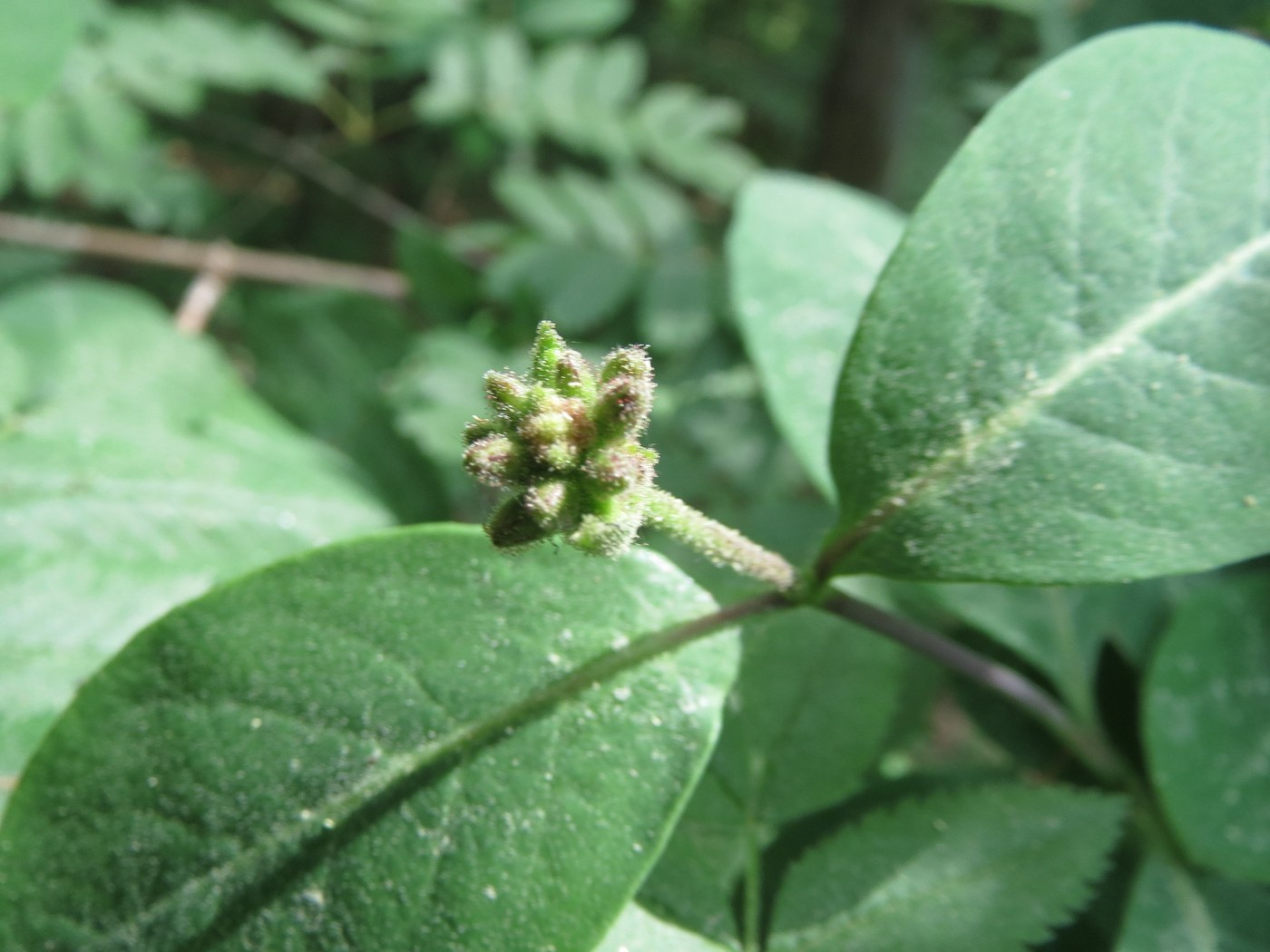
Honeysuckle (Lonicera periclymenum), often called woodbine, is a graceful, easy-to-grow twining climber famous for its intensely fragrant, tubular summer flowers in cream, yellow, and rosy tones. It is a classic choice for clothing arbors, fences, trellises, and pergolas with romantic, scented growth.
Light
Honeysuckle grows in full sun to part shade. The classic advice is to give the top of the plant sun for the most flowers and fragrance while keeping its roots shaded and cool. It flowers most freely with several hours of direct light but tolerates dappled shade, making it versatile for many garden aspects.
Water
Keep watering moderate and the roots cool and moist. Water regularly during the first seasons and in dry spells, aiming for consistently damp but not waterlogged soil. A deep organic mulch or low planting at the base shades the root zone and conserves moisture, which is key to lush growth and preventing stress that invites mildew.
Soil & Potting
Plant in fertile, moisture-retentive but well-drained soil enriched with organic matter. Honeysuckle tolerates a range of pH from slightly acidic to slightly alkaline. Dig in plenty of compost or leaf mold at planting to hold moisture at the roots. It grows well in the ground and can also be container-grown in a large pot with quality potting mix if kept well watered.
Humidity & Temperature
This hardy climber suits roughly USDA zones 4 through 9 and withstands cold winters once established. It enjoys temperate, moderately humid conditions but needs good air circulation, since stagnant, humid air encourages powdery mildew. Provide space and support that allow air to move freely through the foliage.
Feeding
Feed in spring with a balanced general fertilizer or a topdressing of compost and well-rotted manure to fuel the season's growth and flowering. A potassium-rich feed can encourage blooming, while avoiding excess nitrogen that produces leaves at the expense of flowers. Container plants need more regular liquid feeding through the growing season.
Propagation
Honeysuckle propagates easily. Take semi-ripe cuttings in mid to late summer and root them in gritty, moist media under cover. Hardwood cuttings can be taken in late autumn. Layering is very reliable: peg a low, flexible stem into the soil and it will root within a season, after which it can be separated. Seed is possible but slower and needs stratification.
Repotting / Pruning
Prune according to flowering habit; Lonicera periclymenum flowers on the current and previous season's growth, so prune lightly right after the main flush of bloom to shape and control size. Thin out congested, twiggy growth to open the plant and improve air flow. Overgrown, tangled plants can be renovated by cutting back hard in late winter, sacrificing some flowers that year for renewed structure. Guide young stems onto their support as they twine.
Common Problems & Pests
The most common issue is powdery mildew, a white coating on leaves that is worsened by dry roots and poor airflow; keep the root zone moist and shaded and thin growth to prevent it. Aphids often cluster on soft new shoots and flower buds and can be dislodged with water or managed with insecticidal soap. Watch for scale and, in some regions, honeysuckle-specific leaf blight. Good culture and air movement prevent most trouble.
Seasonal Care Tips
In spring feed, mulch deeply to cool the roots, and tie in new growth. Summer brings the fragrant flowers; water in dry spells to keep roots moist and watch for aphids and mildew. Prune lightly after the main flowering flush. In autumn take hardwood cuttings and tidy the plant, and in winter tackle any hard renovation pruning on overgrown specimens while the framework is bare.
Frequently asked questions
Why does my Honeysuckle get white powdery leaves?
That is powdery mildew, usually triggered by dry roots and poor airflow. Keep the root zone mulched, cool, and moist, and thin congested growth so air moves freely through the plant.
When should I prune Honeysuckle?
For Lonicera periclymenum, prune lightly right after the main flush of flowers to shape it. Badly overgrown plants can be cut back hard in late winter, at the cost of that year's blooms.
Why is my Honeysuckle not flowering?
Too much shade, over-feeding with nitrogen, or pruning at the wrong time are common causes. Give the top of the plant sun, feed for flowers not leaves, and prune just after blooming.
Can Honeysuckle grow in a pot?
Yes, in a large container with rich, moisture-retentive potting mix and a sturdy support. Container plants need more frequent watering and regular feeding to thrive.