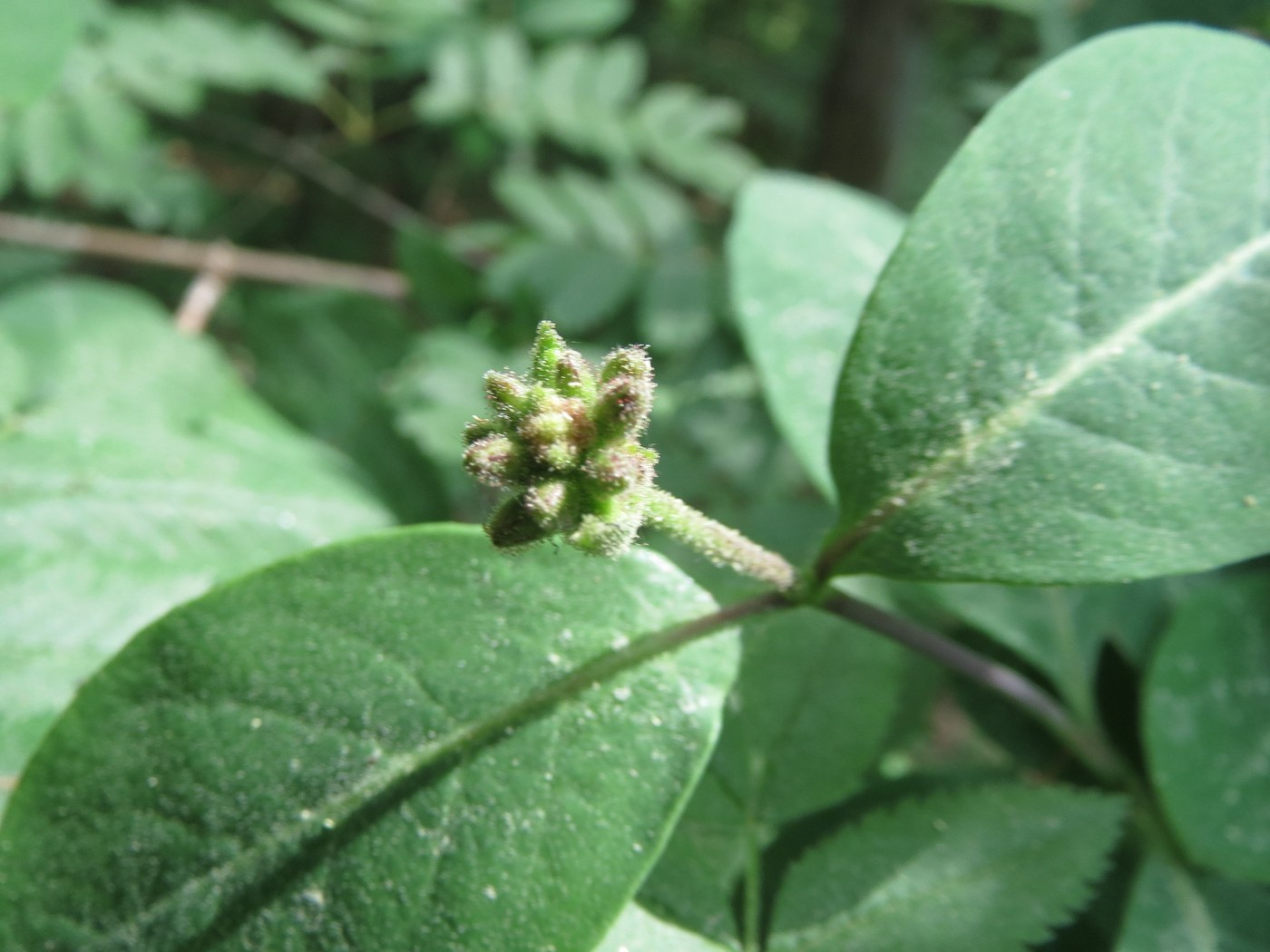
Honeysuckle
Lonicera periclymenum
Honeysuckle is a vigorous climbing shrub bearing tubular, intensely fragrant flowers that draw bees, moths and hummingbirds. It's a classic for covering arbors, fences and walls with scent.
- Light
- Full sun to part shade
- Water
- Moderate; keep roots cool and moist
- Difficulty
- Easy
Got a plant like this?
Identify any plant from a photo, free.
Overview
Honeysuckle (Lonicera) includes climbing vines and shrubby species, but the most beloved garden forms are the twining climbers like the European woodbine (L. periclymenum) and Japanese honeysuckle (L. japonica). They are grown above all for their sweetly perfumed, tubular flowers.
Blooms appear from late spring through summer in creamy white, yellow, pink and red, often deepening in color with age. The flowers are followed by berries that feed birds. Some Asian species are invasive in parts of North America, so native or non-invasive choices are preferred there.
How to identify it
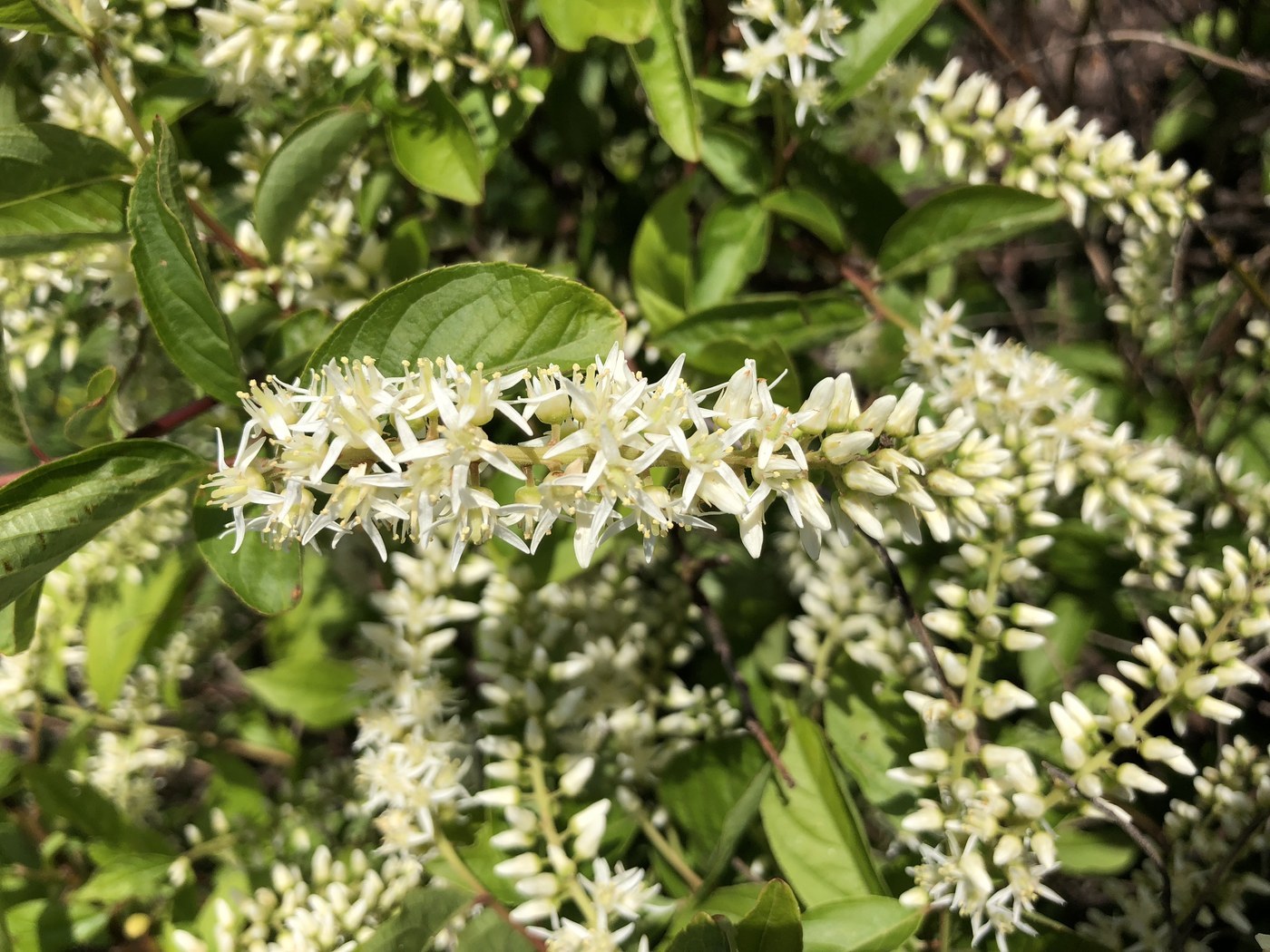
Whorls of tubular, two-lipped flowers and twining stems identify climbing honeysuckle.
- Flowers: long, tubular, two-lipped blooms in clusters; cream, yellow, pink or red, very fragrant especially in evening
- Leaves: opposite, oval, smooth-edged; some species' upper leaf pairs fuse around the stem
- Habit: twining woody climber that wraps around supports; can reach 10-20 ft
- Berries: small red, orange or black berries follow the flowers
Care & growing
Honeysuckle likes its head in sun and its roots cool.
- Light: flowers best with the top in sun, while the roots stay shaded and cool
- Water: keep moist; mulch the root zone
- Soil: fertile, well-drained soil enriched with organic matter
- Temperature: most climbing types are hardy in zones 4-9
- Feeding: a spring mulch or feed supports vigorous growth
- Maintenance: provide a sturdy support; prune after flowering to control size and renew old stems
- Propagation: easy from cuttings or layering
Habitat & origin
Lonicera periclymenum is native to Europe, North Africa and western Asia, where it scrambles through hedgerows and woodland edges. Other species hail from Asia and North America.
Honeysuckles are grown worldwide on arbors, fences, pergolas and walls. Note that Japanese honeysuckle (L. japonica) is invasive in much of the eastern United States and should be avoided there in favor of native species.
Frequently asked questions
Why won't my honeysuckle flower?
Too much shade at the top, over-feeding with nitrogen, or hard pruning at the wrong time. Aim for sun on the vine, cool shaded roots, and prune just after flowering.
Is honeysuckle invasive?
Some species are. Japanese honeysuckle (Lonicera japonica) is invasive in much of the eastern US. Choose native or non-invasive types for those regions.
When should I prune honeysuckle?
Prune climbing types right after they finish flowering, thinning old stems and shortening growth to keep the plant tidy and within bounds.
Honeysuckle guides
In-depth guides for identifying, growing, and caring for Honeysuckle.
How to Care for Honeysuckle
Grow Honeysuckle (Lonicera periclymenum), a graceful twining climber with fragrant, tubular summer flowers for arbors and fences.
Honeysuckle Identification Guide
Identify honeysuckle by its twining vines, paired leaves, tubular two-lipped fragrant flowers, and clustered berries.