
How to Care for Horseradish
Growing guide for horseradish (Armoracia rusticana), a hardy, vigorous perennial grown for its bold, coarse-textured foliage.
Read the full Horseradish encyclopedia entry →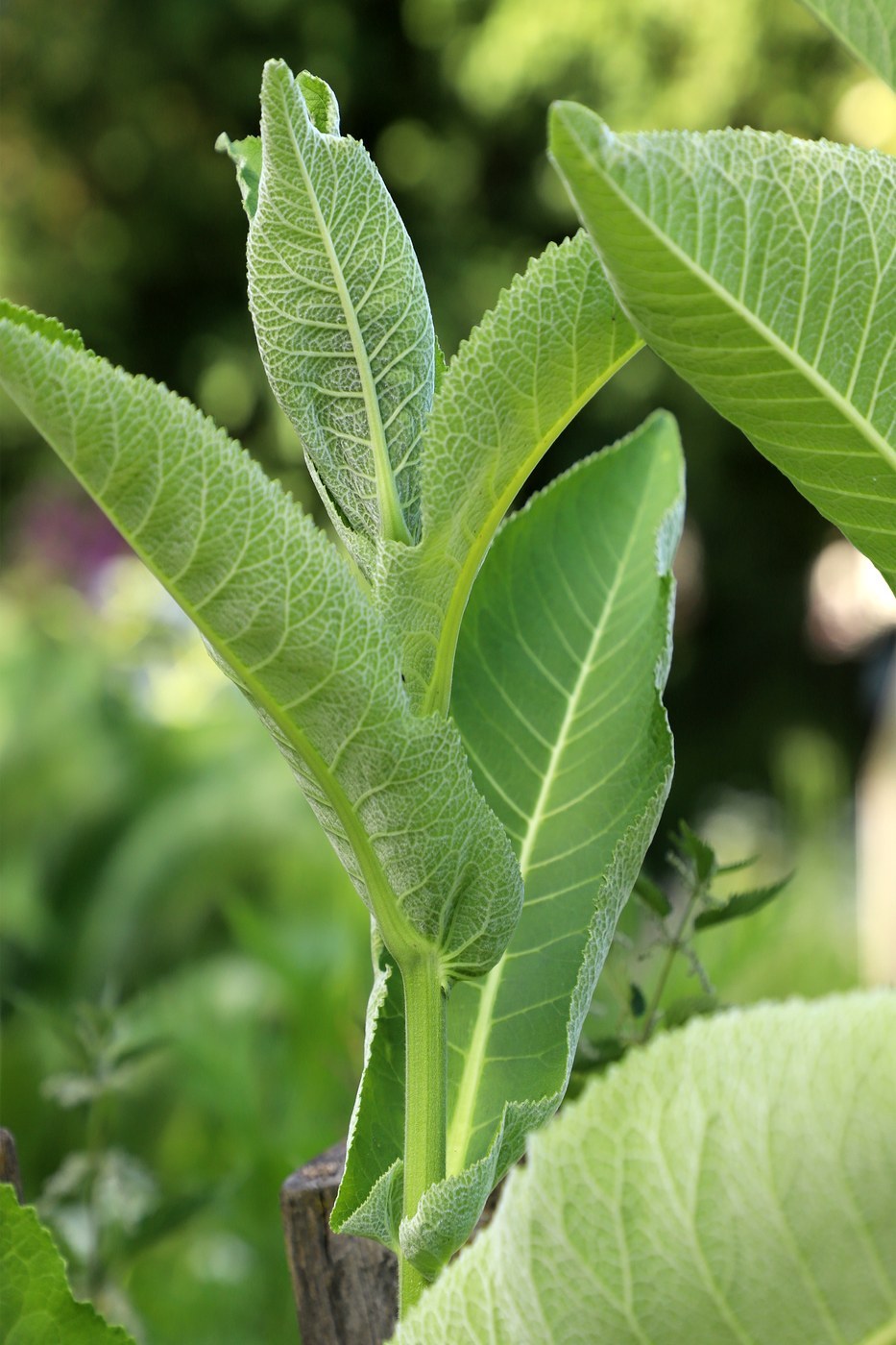
Horseradish (Armoracia rusticana) is a rugged, cold-hardy perennial that forms an imposing clump of large, coarse, dock-like leaves rising from a deep taproot. It is one of the easiest and most vigorous plants to establish, asking little beyond room to grow and steady moisture.
Light
Horseradish grows best in full sun to partial shade. Full sun produces the largest, most robust leafy clumps, while a few hours of afternoon shade is tolerated well and can help in very hot climates. In deep shade it becomes thin and lax, so aim for at least a half day of direct light.
Water
Keep the soil evenly moist for lush foliage. Horseradish handles moderate watering and dislikes prolonged drought, which causes the big leaves to wilt and the clump to look tired. Water deeply and regularly during dry spells, but avoid waterlogging in heavy soil, which can rot the roots.
Soil & Potting
It is famously adaptable but performs best in deep, loose, fertile soil that lets the taproot run. Loosen and dig the bed well before planting so roots grow long and straight. A neutral pH suits it. Rich, moisture-retentive loam amended with compost gives the most vigorous growth. Because roots grow deep, container culture needs a tall, large pot.
Humidity & Temperature
This is a very cold-hardy plant that thrives in temperate climates and dies back naturally with hard frost, then returns from the root each spring. It is unfazed by ordinary humidity levels. Extreme, sustained summer heat can stress the foliage, so consistent moisture and a little afternoon shade help in hot regions.
Feeding
Horseradish is not a heavy feeder, but it responds to fertile ground. Work compost or a balanced fertilizer into the bed at planting and top-dress with compost in spring. Avoid excessive nitrogen, which encourages floppy leaves. In decent soil it often needs no supplemental feeding at all.
Propagation
Propagation is extremely easy from root cuttings. In late autumn or early spring, cut sections of the pencil-thick side roots several inches long and replant them at an angle, thin end down, a few inches deep. Each piece sprouts a new plant. Even small root fragments left in the soil will regrow, so the plant persists readily.
Repotting / Pruning
Established clumps rarely need dividing, but you can lift and split them every few years in autumn or early spring to control size and renew vigor. Remove tattered or yellowing leaves through the season to keep the clump neat. Cut spent foliage to the ground after it dies back in late autumn.
Common Problems & Pests
Horseradish is tough and largely pest-free. Occasional issues include leaf-chewing beetles and caterpillars that riddle the foliage, and various fungal leaf spots in damp, crowded conditions; improve airflow and remove affected leaves. Its main challenge is exuberance, it spreads aggressively from roots and can become difficult to remove once established, so plant it where you can contain it or grow it in a sunken bottomless container.
Seasonal Care Tips
Plant root cuttings in early spring or late autumn. Through summer, keep the soil moist and the bed weeded so the clump bulks up. In autumn, let the foliage die back naturally, then tidy the crown. The clump reliably re-emerges the following spring; divide or replant root sections at this time to renew or relocate plants.
Frequently asked questions
How much sun does horseradish need?
Full sun to partial shade. Full sun gives the biggest, most vigorous leafy clumps, while a few hours of afternoon shade is tolerated well and helps in hot climates.
How do I propagate horseradish?
Take root cuttings in late autumn or early spring. Cut pencil-thick side roots into sections a few inches long and replant them at an angle, thin end down, a few inches deep. Each piece sprouts a new plant.
Why are my horseradish leaves wilting?
Usually from dry soil. Horseradish wants evenly moist ground, so the large leaves wilt in drought. Water deeply during dry spells, but avoid waterlogging heavy soil, which can rot the roots.
Does horseradish spread?
Yes, vigorously. It regrows from even small root fragments and can be hard to remove once established. Plant it where you can contain it, or use a sunken bottomless container to limit its spread.