
How to Care for Huckleberry
Grow Huckleberry (Vaccinium membranaceum): a woodland shrub needing acidic, humus-rich soil and cool conditions. A challenging but rewarding native to cultivate.
Read the full Huckleberry encyclopedia entry →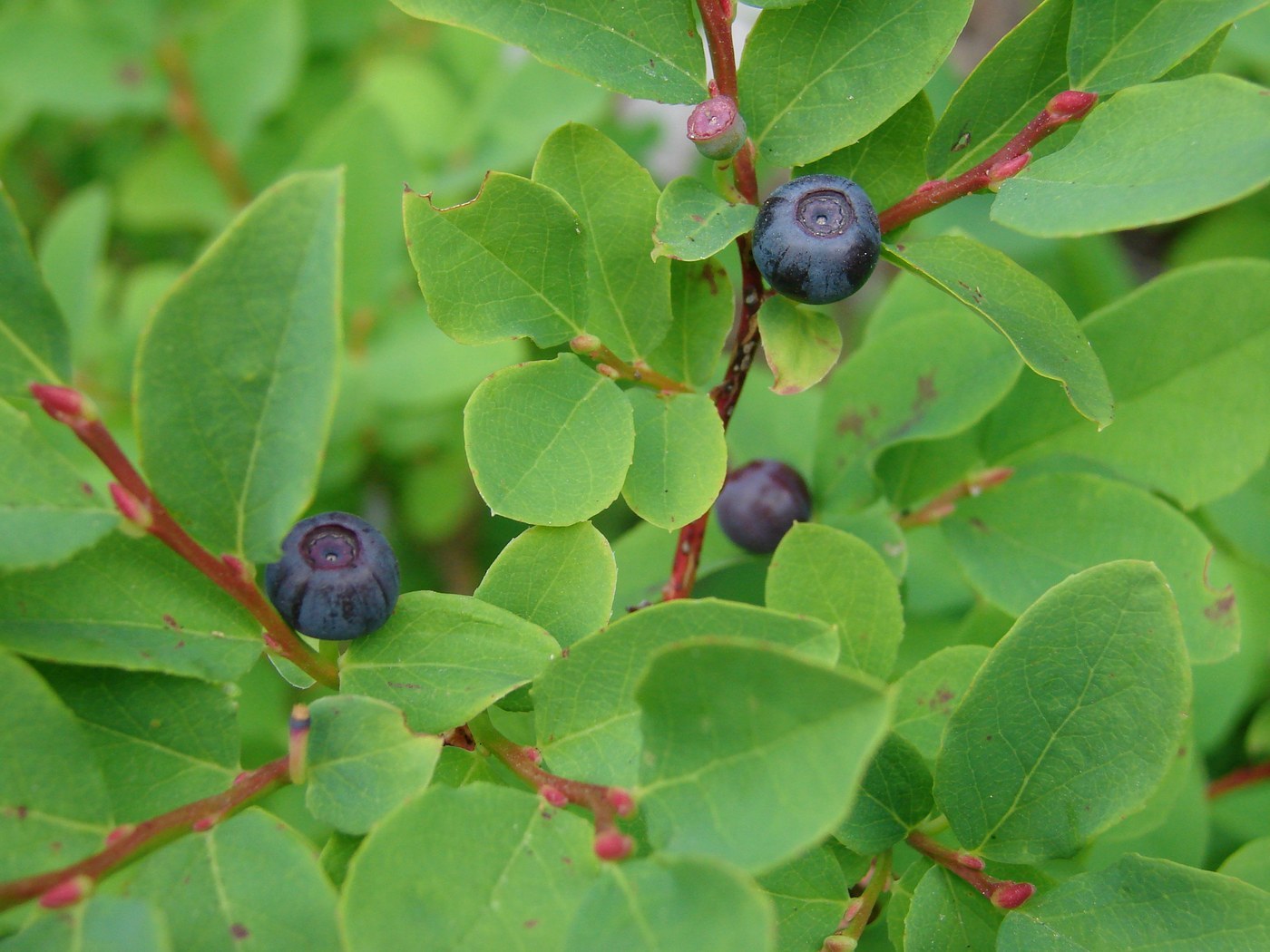
Huckleberry (Vaccinium membranaceum) is a deciduous woodland shrub native to cool mountain forests, valued as an ornamental for its neat foliage and fine autumn color. It is genuinely challenging to cultivate because it demands specific acidic, humus-rich soil and cool, mycorrhiza-friendly conditions, so patience is essential.
Light
Huckleberry grows in partial shade to full sun. In cool climates it takes more sun and stays denser, while in warmer or drier areas it appreciates dappled shade that mimics its native forest-edge habitat. Deep shade reduces vigor, so aim for bright, filtered light or morning sun with afternoon protection.
Water
Provide moderate, consistent moisture in soil that is moist yet well-drained. The shallow, fine roots must not dry out, but they also resent waterlogging. Mulch heavily to conserve moisture and keep roots cool, and use rainwater where possible, since this species is sensitive to the minerals and alkalinity in some tap water.
Soil & Potting
This is the make-or-break factor: huckleberry needs strongly acidic soil (roughly pH 4.5-5.5) that is rich in organic matter, loose, and free-draining. Amend with plenty of peat-alternative or composted conifer bark and leaf mold. It depends on soil fungi (mycorrhizae) found in undisturbed woodland, which is why transplants and cultivation often struggle. In containers use an ericaceous (acid) mix.
Humidity & Temperature
A cold-hardy mountain plant, huckleberry needs a distinct cool winter dormancy and dislikes prolonged heat. It performs best in cool, humid, temperate conditions and can struggle in hot, dry lowland climates. Protect from harsh, drying winds and provide a cool root run with mulch.
Feeding
Feed sparingly. Like other acid-loving Vaccinium, huckleberry is sensitive to over-fertilizing and to nitrate-based feeds. If growth is weak, apply a light dose of a fertilizer formulated for acid-loving plants (such as one for rhododendrons or blueberries) in spring. A generous organic mulch usually supplies most of its needs.
Propagation
Propagation is notoriously difficult. Seed needs cold stratification and germinates slowly, and seedlings are delicate. Softwood or semi-hardwood cuttings can be tried under mist but root reluctantly. Division of rhizomatous suckers is possible but transplants often decline because they lose their fungal partners. Success rates are low, which adds to the plant's reputation.
Repotting / Pruning
Disturb the roots as little as possible; repot container plants only when necessary, in spring, into fresh ericaceous mix. Prune lightly in late winter while dormant, removing dead, weak, or crowded stems to maintain shape and airflow. Avoid heavy pruning, which stresses these slow-growing shrubs.
Common Problems & Pests
The most common problems are cultural: yellowing leaves (chlorosis) from insufficient soil acidity, and dieback from drought, heat, or root disturbance. In wet, poorly drained soil, root rot is a risk. Because the plant relies on specific fungi, transplants frequently fail to thrive. Pests are relatively few, though aphids and occasional foliage-feeding insects may appear; keep plants healthy to limit trouble.
Seasonal Care Tips
In spring, refresh acidic mulch, apply any light feed, and prune away winter damage. Through summer, keep soil evenly moist and roots cool, watering with rainwater during dry spells. In autumn, enjoy the foliage color and mulch again to protect roots. In winter, allow full cold dormancy and shelter container plants from freeze-thaw cycles that heave the shallow roots.
Frequently asked questions
Why is huckleberry so hard to grow?
It needs very specific conditions: strongly acidic, humus-rich, well-drained soil; cool temperatures; and beneficial soil fungi from undisturbed woodland. Transplants often lose those fungal partners and decline, which is why cultivation is challenging.
What soil pH does huckleberry need?
Strongly acidic, roughly pH 4.5 to 5.5. Use an ericaceous (acid) mix or heavily amend with acidic organic matter, and water with rainwater to avoid raising the pH over time.
Why are my huckleberry leaves turning yellow?
Yellowing between green veins usually signals the soil is not acidic enough, locking up iron. Increase acidity with an ericaceous feed or sulfur, mulch with acidic material, and switch to rainwater.
Can I grow huckleberry in a container?
Yes, and a container makes it easier to control soil acidity. Use an ericaceous mix, keep it evenly moist with rainwater, place it in bright filtered light, and shelter the roots from hard freeze-thaw in winter.