Huckleberry
Vaccinium membranaceum
A wild, blueberry-like shrub of western North American mountains, bearing small purple-black berries. Notoriously difficult to cultivate, it grows mostly in the wild.
- Light
- Partial shade to full sun
- Water
- Moderate; moist, well-drained soil
- Difficulty
- Hard
Got a plant like this?
Identify any plant from a photo, free.
Overview
Huckleberry is a common name for several species of Vaccinium and Gaylussacia; the famed western mountain huckleberry is Vaccinium membranaceum. It is closely related to the blueberry but produces smaller fruit.
These deciduous shrubs grow in cool mountain forests and are slow-growing, often taking many years to establish and resisting domestication.
Wild huckleberries are an important food for wildlife, including bears, in the Pacific Northwest and Rocky Mountains.
How to identify it
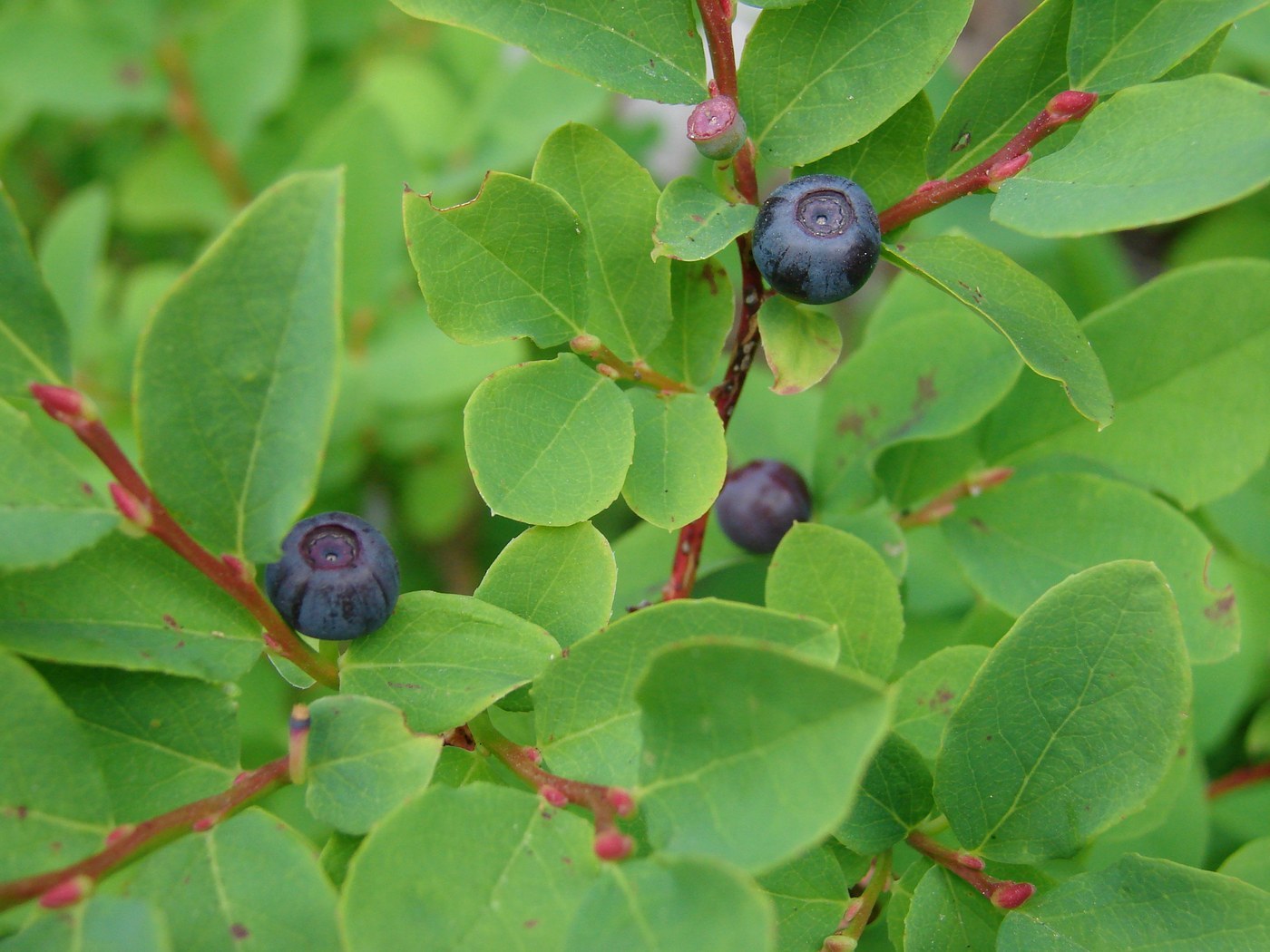
A modest mountain shrub bearing single, blueberry-like berries.
- Leaves: Alternate, thin, oval, finely toothed, turning red in autumn
- Stems: Slender, often angled and greenish on new growth
- Flowers: Small, urn-shaped, pale pink to cream, hanging singly
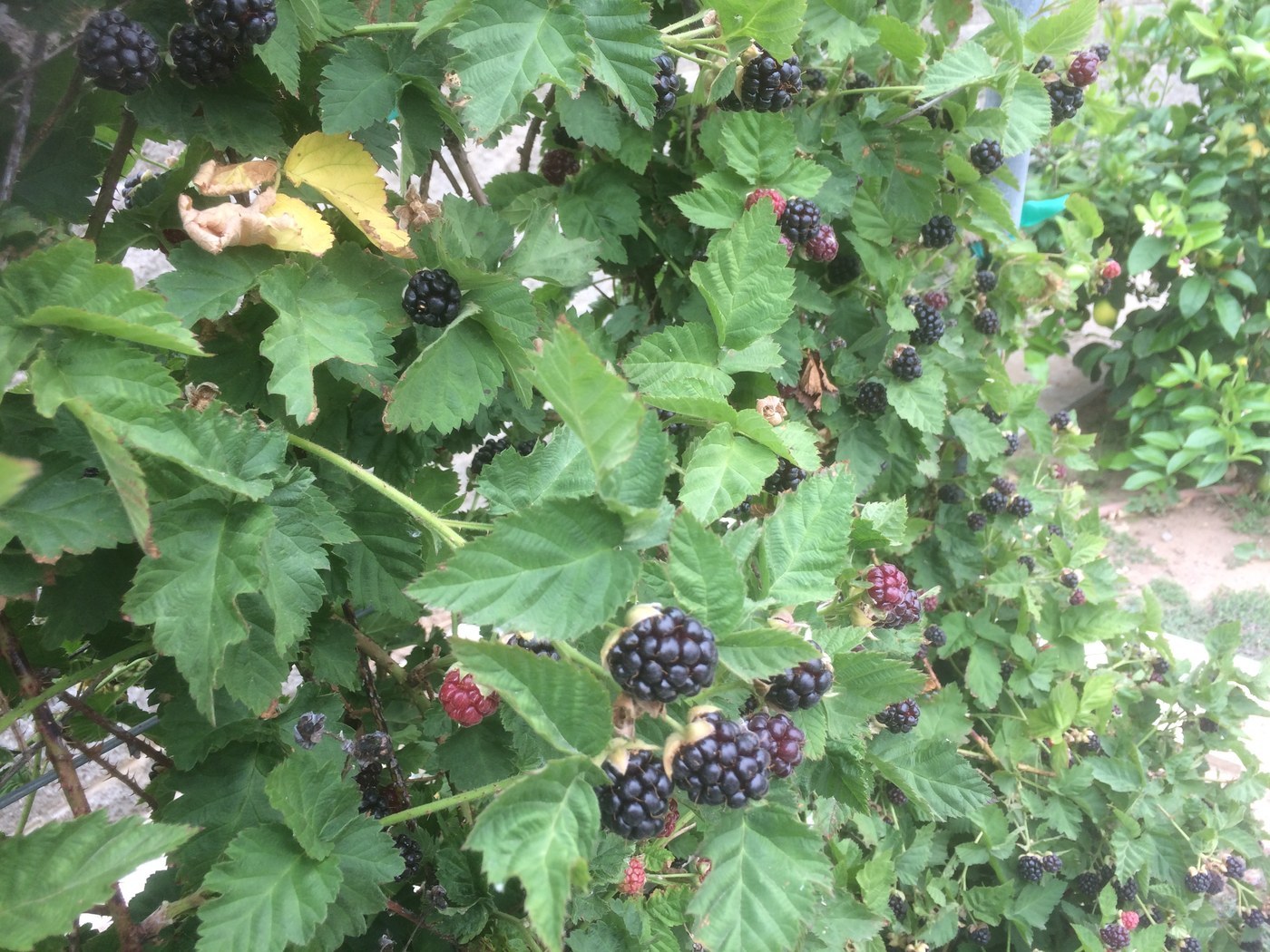
- Fruit: Round berries 6-10 mm, deep purple to nearly black (some species red), borne singly rather than in clusters
- Size: Typically 0.3-1.5 m tall depending on species and site
Care & growing
One of the harder shrubs to cultivate; it resists transplanting.
- Light: Dappled partial shade to full sun, mimicking forest openings
- Water: Consistently moist but never waterlogged; intolerant of drought
- Soil: Acidic (pH 4.5-5.5), humus-rich, cool and well-drained forest soil
- Temperature: Cold-hardy mountain plant needing cool summers and winter chill
- Feeding: Minimal; avoid lime and heavy fertilizer, which it dislikes
- Propagation: Difficult; division of rhizomes, layering, or seed with patience, as plants are slow to establish and rarely thrive when moved
Habitat & origin
Vaccinium membranaceum is native to mountainous western North America, from British Columbia south through the Rockies and Cascades.
It grows in cool coniferous forests, subalpine slopes and recently disturbed or burned areas at moderate to high elevations.
Frequently asked questions
Are huckleberries the same as blueberries?
They are closely related Vaccinium relatives but distinct; huckleberries are smaller and grow singly rather than in clusters.
Can I grow huckleberries at home?
It is very difficult. They need cool, acidic forest conditions and resist transplanting, so they are rarely grown successfully in gardens.
When do huckleberry shrubs fruit?
The berries develop through mid- to late summer into early autumn, with timing varying by elevation.
Huckleberry guides
In-depth guides for identifying, growing, and caring for Huckleberry.
How to Care for Huckleberry
Grow Huckleberry (Vaccinium membranaceum): a woodland shrub needing acidic, humus-rich soil and cool conditions. A challenging but rewarding native to cultivate.
Huckleberry Identification Guide
Recognize huckleberry (Vaccinium and Gaylussacia species) by its small round blue-to-black berries, alternate oval leaves, and low woodland or mountain shrub form.