
How to Care for Hydrangea Tree
Grow panicle hydrangea as a tree-form shrub with sun, evenly moist soil, and easy spring pruning for big cone blooms.
Read the full Hydrangea Tree encyclopedia entry →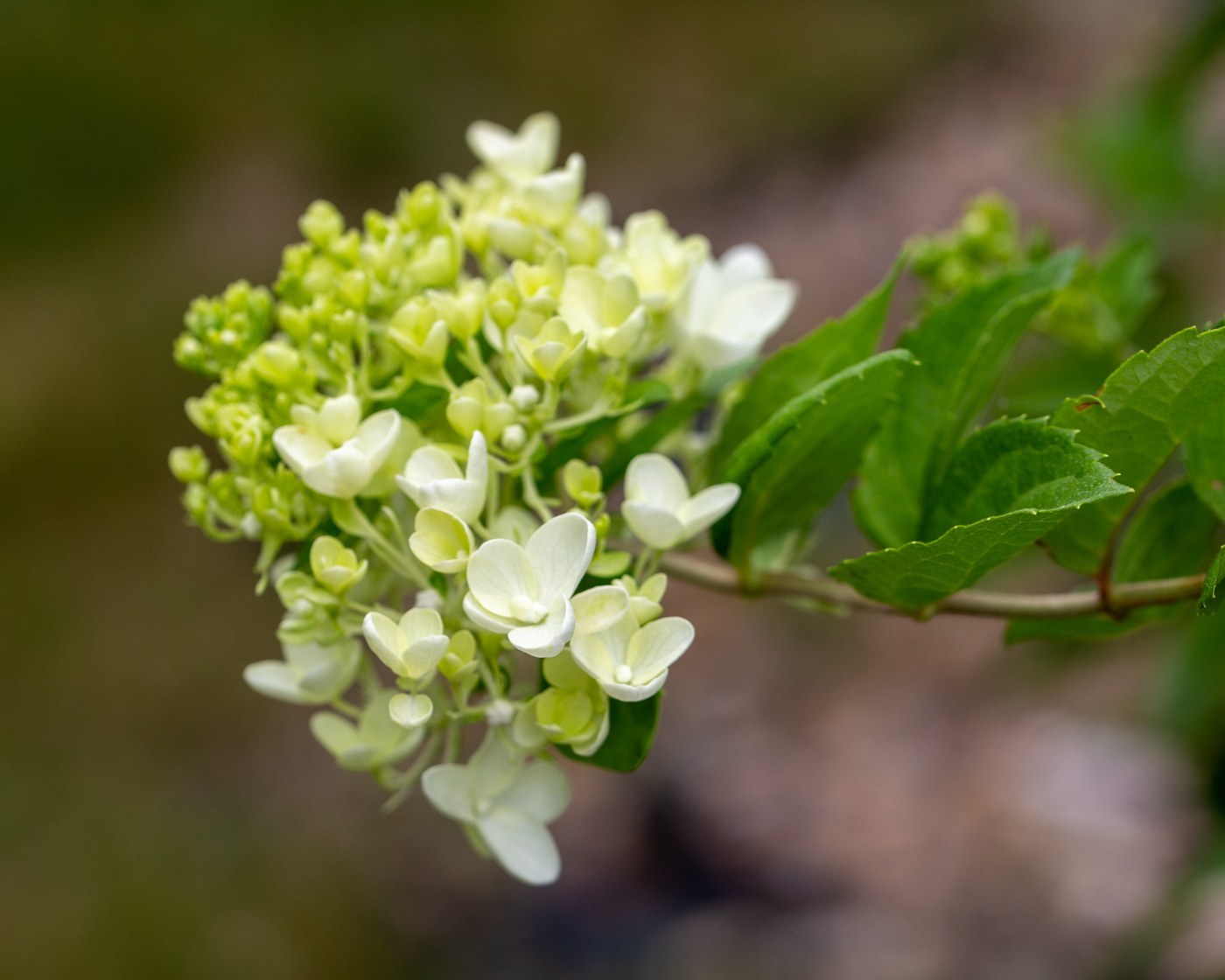
The hydrangea tree is a panicle hydrangea (Hydrangea paniculata) trained as a single-trunk standard, producing large, cone-shaped flower clusters that open creamy white and often age to pink or rose. It is one of the easiest and most sun-tolerant hydrangeas, blooming reliably on new growth with straightforward seasonal pruning.
Light
Panicle hydrangeas grow in full sun to part shade and are the most sun-loving of the hydrangeas. For the best flowering and sturdy stems, give at least six hours of sun, though in hot climates some afternoon shade helps prevent wilting and keeps blooms fresh longer. Too much shade produces weaker growth and fewer, floppier flower heads.
Water
Keep the soil evenly moist, providing a deep weekly soak rather than frequent light sprinkling, especially during the first few years and in summer heat. Established panicle hydrangeas are more drought-tolerant than other types but still bloom and grow best with steady moisture. The single-trunk tree form can be more prone to drying out, so monitor closely in hot, windy weather. Ensure the soil drains so roots are not waterlogged.
Soil & Potting
Grow in fertile, moist, well-drained soil rich in organic matter. Panicle hydrangeas adapt to a wide range of soils and pH, and unlike bigleaf types their flower color is not changed by soil acidity. Improve poor or sandy soils with compost before planting, and apply a mulch layer to conserve moisture and keep roots cool, keeping mulch away from the trunk. If grown in a large container, use a quality potting mix and water more frequently.
Humidity & Temperature
Panicle hydrangeas are exceptionally cold-hardy, generally thriving in USDA zones 3 through 8, and tolerate a wide range of humidity. They handle cold winters well and bloom in mid to late summer. Because they flower on the current season's new wood, even if winter kills stems back the plant will still bloom the same year, making them dependable in cold regions.
Feeding
Feed once in early spring with a balanced slow-release shrub fertilizer as growth begins. A layer of compost applied annually also supports healthy growth and flowering. Avoid excessive nitrogen, which can produce lush foliage, weak stems, and flopping flower heads. Established plants in good soil need only modest feeding.
Propagation
Propagate from softwood cuttings in early summer, rooting them in moist, well-drained mix under humid conditions. Because the tree form is a standard grafted or trained onto a single trunk, cuttings will grow as ordinary shrubby plants rather than pre-formed trees unless trained. Hardwood cuttings in late season are also possible for this hardy shrub.
Repotting / Pruning
Prune in late winter or early spring, since panicle hydrangeas bloom on new wood. Cut back the previous year's stems to a strong framework to encourage vigorous new shoots and large flower heads; harder pruning yields fewer but bigger blooms, while lighter pruning gives more numerous smaller ones. For the tree form, maintain the clear single trunk by removing any suckers and shoots along the stem, and keep the rounded head shapely. Remove spent flower heads whenever you like. Repot container specimens every couple of years in early spring.
Common Problems & Pests
Panicle hydrangeas are tough and relatively pest-free, but may occasionally face aphids, spider mites, and scale, especially on stressed plants. Powdery mildew and leaf spots can appear in humid conditions with poor air circulation. Flopping stems are common when heavy flower heads form, particularly after too much nitrogen, shade, or over-soft growth; the tree form especially benefits from sturdy stems and sometimes staking. Wilting usually reflects dry soil and recovers with a deep soak.
Seasonal Care Tips
In late winter to early spring, prune to shape and feed as growth begins. In summer, keep the soil evenly moist with deep weekly soakings and enjoy the emerging blooms, which often shift from white to pink as they mature. In autumn, the dried flower heads can be left for interest or removed. In winter, the hardy plant needs little care; mulch protects the roots in the coldest zones.
Frequently asked questions
When should I prune a hydrangea tree?
Prune panicle hydrangeas in late winter or early spring, because they bloom on new wood. Cut back the previous year's growth to a sturdy framework to encourage strong new shoots and large flower heads, and remove suckers to maintain the single trunk.
How much sun does a hydrangea tree need?
Panicle hydrangeas are the most sun-tolerant hydrangeas and flower best with at least six hours of sun. In hot climates, some afternoon shade helps prevent wilting and keeps the blooms looking fresh longer.
Why do the flower heads flop over?
Heavy blooms on the tree form can weigh down stems, especially after excess nitrogen fertilizer, too much shade, or soft growth. Give plenty of sun, feed moderately, prune to a strong framework, and stake the head if needed for support.
Do the flowers change color with soil pH?
No. Unlike bigleaf hydrangeas, panicle hydrangea flower color is not affected by soil acidity. The cone-shaped blooms typically open creamy white and naturally age to pink or rose as the season progresses.
Hydrangea Tree identified by the community
Recent Hydrangea Tree specimens identified with Plant Identifier.
