
How to Care for Incense Cedar
Grow Incense Cedar (Calocedrus decurrens), a stately, drought-tolerant evergreen conifer, with this full guide to light, water, soil and care.
Read the full Incense Cedar encyclopedia entry →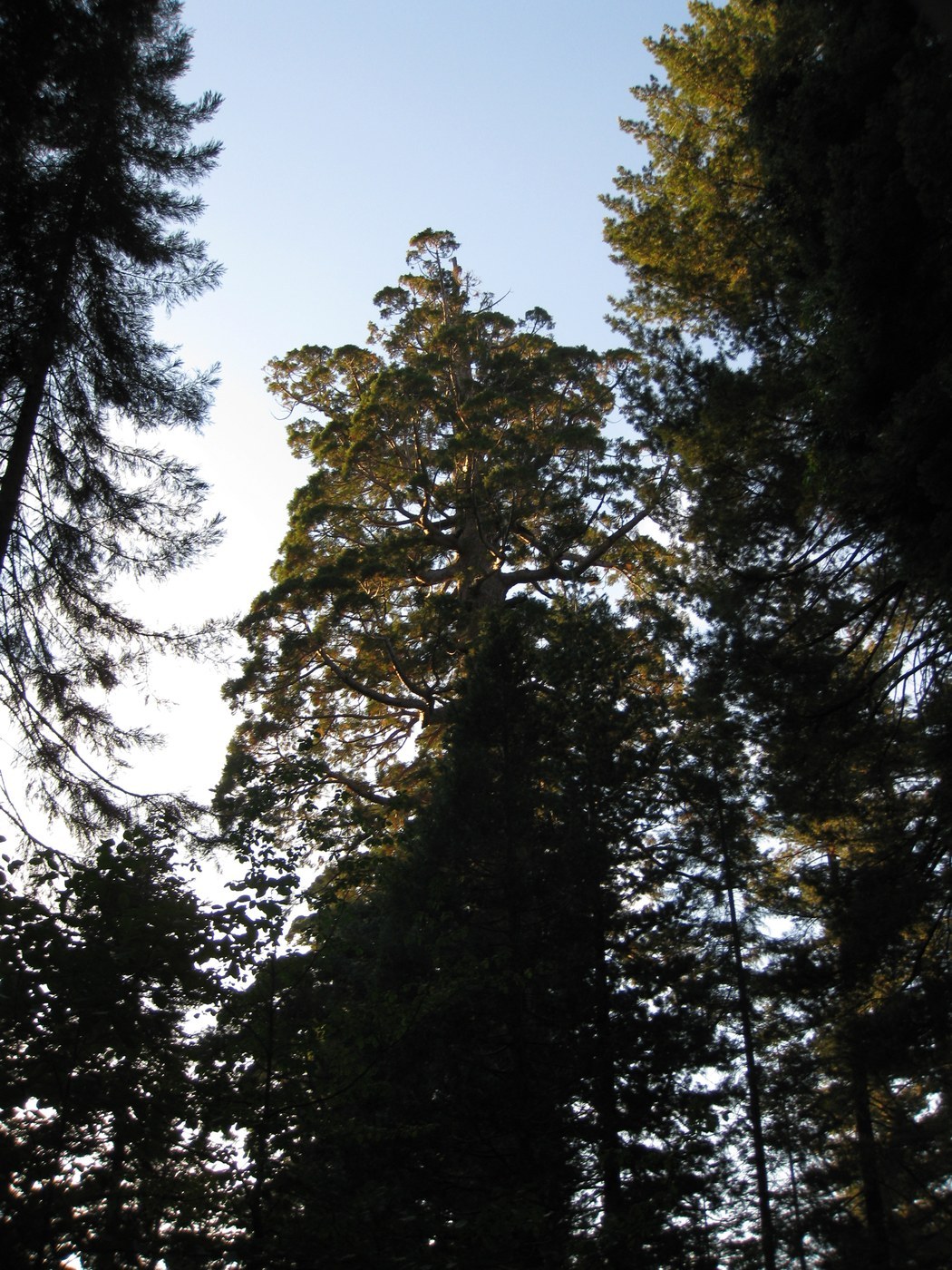
Incense Cedar (Calocedrus decurrens) is a stately evergreen conifer native to the western United States, valued for its dense columnar form, rich green flattened foliage sprays, and handsome cinnamon-colored fibrous bark. It is long-lived, low-maintenance, and an excellent choice for screening or as a specimen tree.
Light
Plant incense cedar in full sun to part shade. It grows densest and most symmetrical in full sun, though it tolerates partial shade, especially when young. In deep shade the crown thins and the growth becomes sparse.
Water
Water moderately while young; incense cedar becomes notably drought tolerant once its root system is established. Give newly planted trees deep, regular watering through the first two or three growing seasons. Mature trees generally survive on natural rainfall in most climates and resent constantly soggy soil.
Soil & Potting
This conifer adapts to a range of soils, from sandy to loamy to rocky ground, provided drainage is good. It prefers a neutral to slightly acidic pH and does not like heavy, waterlogged clay. When planting, dig a wide hole, set the tree at the same depth it grew in the nursery, and backfill with native soil. Young trees can be started in deep containers before transplanting to their permanent site.
Humidity & Temperature
Incense cedar is hardy roughly in USDA zones 5 through 8 and handles hot, dry summers as well as cold mountain winters. It is well adapted to low humidity and tolerates temperature swings once established. It is one of the more heat- and drought-resilient conifers.
Feeding
Incense cedar rarely needs fertilizer in reasonable soil. If growth is slow or the color is pale, apply a light spring feeding formulated for evergreens or conifers, following label rates. A layer of organic mulch over the root zone supplies gentle, ongoing nutrition and conserves moisture.
Propagation
The tree is usually grown from seed, which benefits from a period of cold stratification to break dormancy before sowing. Germination can be slow and uneven. Cuttings are more difficult to root and are less commonly used, so most gardeners start with nursery-grown saplings.
Repotting / Pruning
Incense cedar needs little pruning; its naturally tidy, columnar shape is one of its main attractions. Remove only dead, damaged, or crossing branches, ideally in late winter. Avoid heavy shearing, which spoils the natural form. Repot container-grown young trees into larger, deep pots as roots fill the space, then move them into the ground while still young for best long-term establishment.
Common Problems & Pests
Incense cedar is generally pest-resistant and durable. It can host cedar rust and occasional canker or heart-rot fungi, particularly on stressed or wounded trees, so avoid unnecessary trunk injuries. Good siting with adequate drainage and airflow prevents most problems. Root rot occurs only in persistently waterlogged soil.
Seasonal Care Tips
In spring, mulch the root zone and check young trees for even moisture as growth resumes. Through summer, water newly planted trees during droughts but let established trees rely mostly on rainfall. In fall, reduce watering as growth slows. In winter, the evergreen foliage needs no special protection in its hardiness range; brush heavy snow off branches to prevent breakage.
Frequently asked questions
How much water does an incense cedar need?
Water young trees deeply and regularly for the first two to three seasons. Once established, incense cedar is quite drought tolerant and usually thrives on natural rainfall, disliking soggy soil.
Does incense cedar need pruning?
Very little. Its naturally columnar shape is a key feature, so limit pruning to removing dead or damaged branches in late winter and avoid heavy shearing.
How fast does incense cedar grow?
It is a moderate grower, gaining roughly a foot or so per year in good conditions when young, and eventually forming a tall, dense column. Full sun and even moisture early on speed establishment.
Can incense cedar tolerate poor soil?
Yes, it adapts to sandy, loamy, or rocky soils as long as drainage is good. It struggles mainly in heavy, waterlogged clay, so improve drainage before planting in such sites.