Incense Cedar
Calocedrus decurrens
Incense Cedar is a stately western conifer with fragrant, flat sprays of foliage and cinnamon-red fibrous bark, famous as the wood used for pencils.
- Light
- Full sun to part shade
- Water
- Moderate; drought tolerant when established
- Difficulty
- Easy
Got a plant like this?
Identify any plant from a photo, free.
Overview
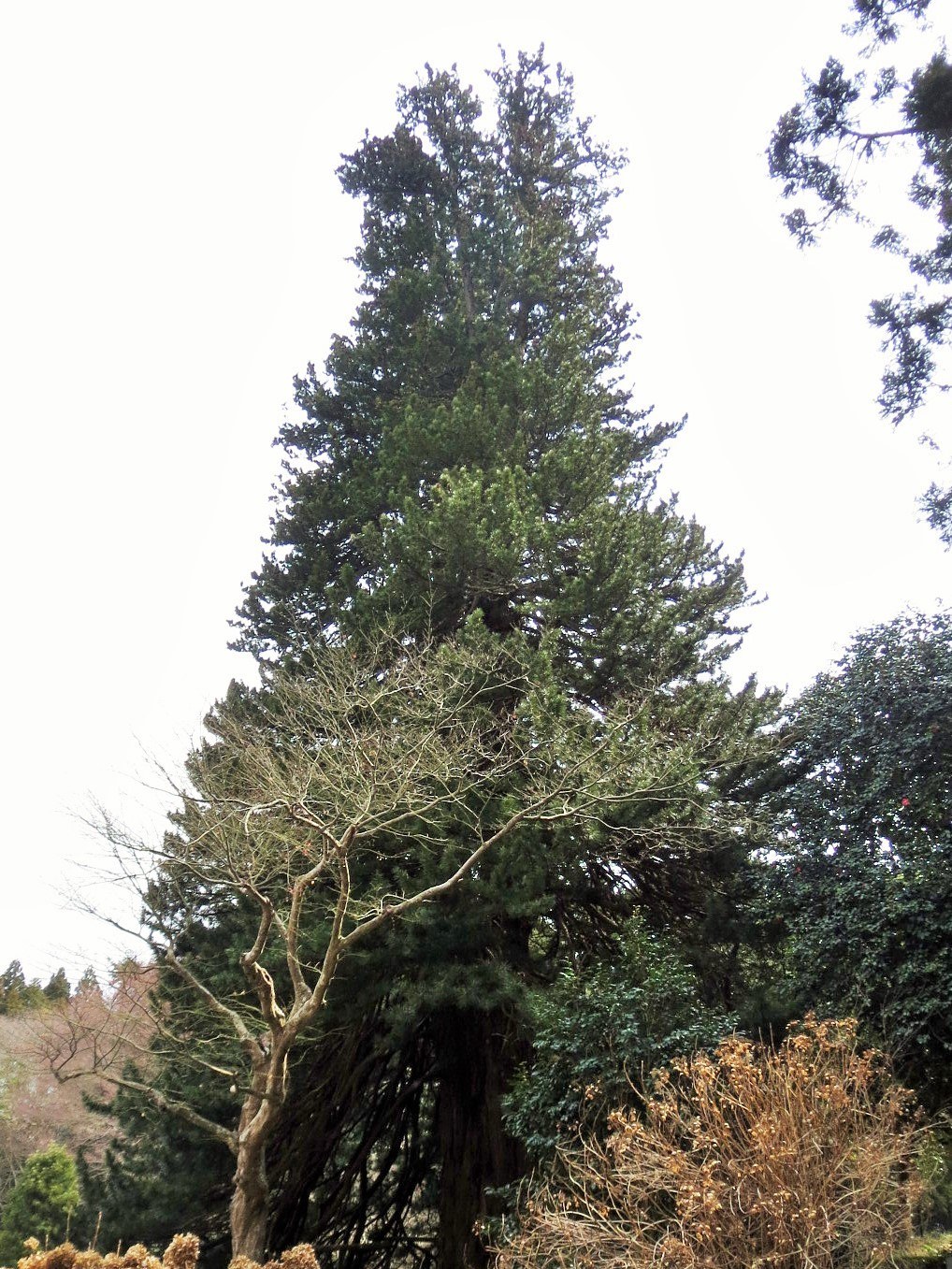
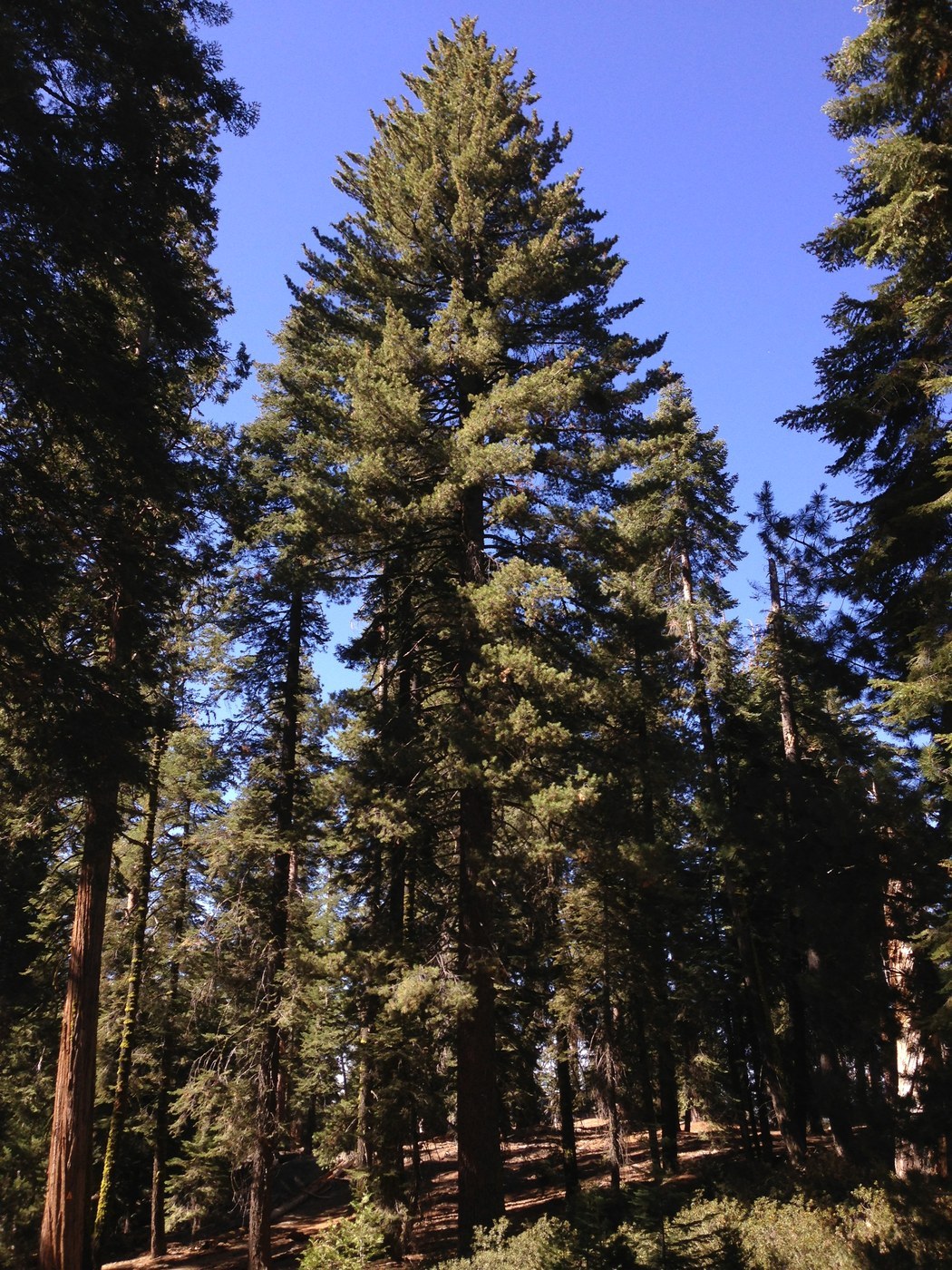
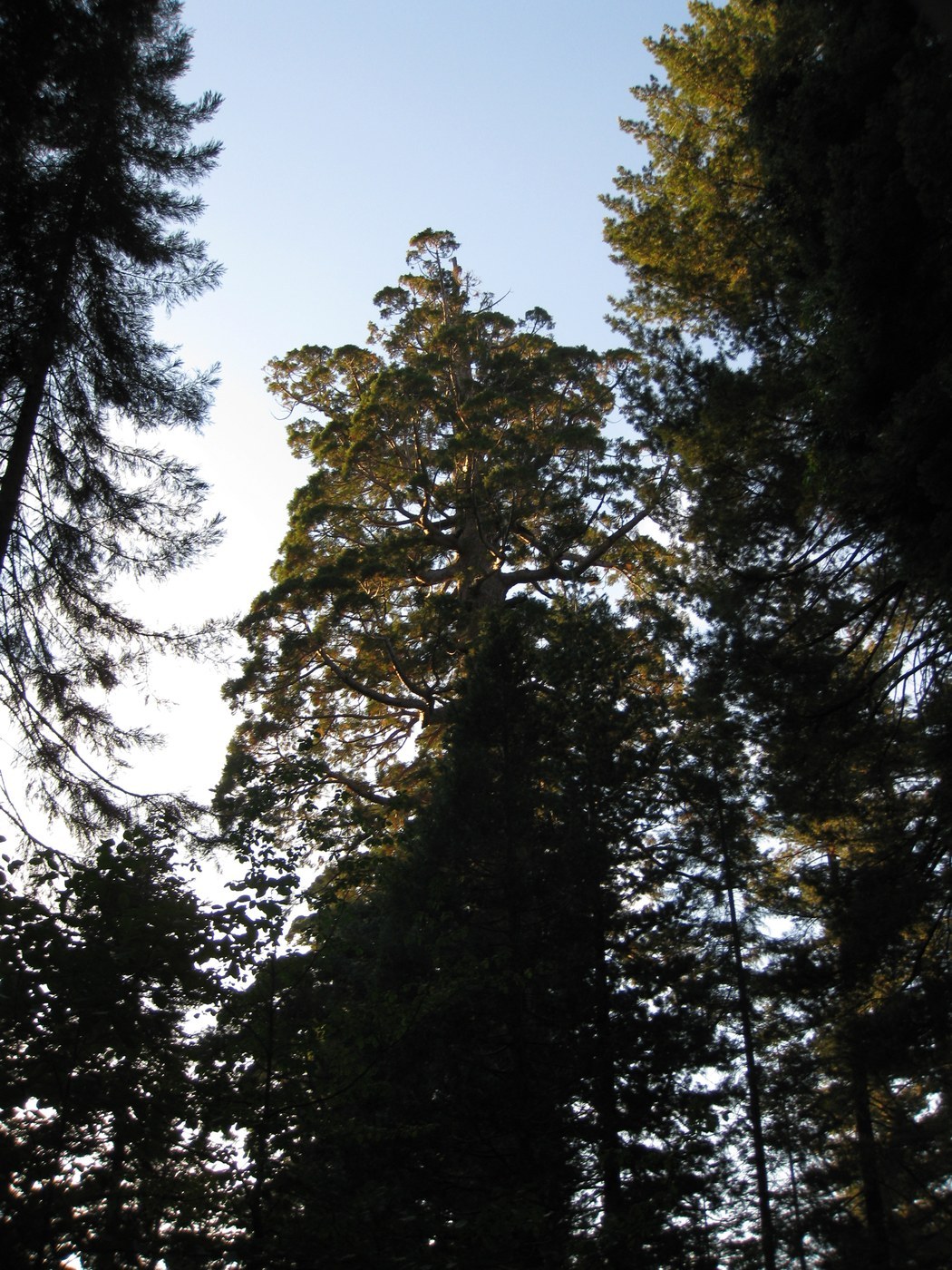
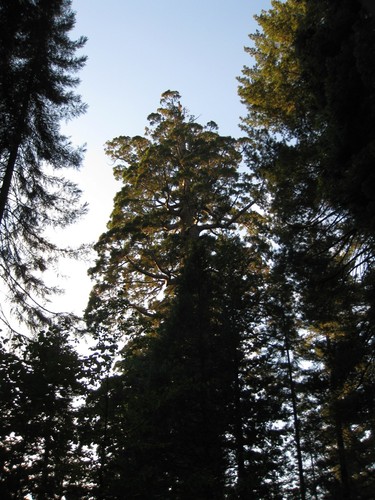
Incense Cedar (Calocedrus decurrens) is a tall, aromatic evergreen of the mountains of western North America. Crushed foliage and freshly cut wood release a warm, spicy fragrance that gives the tree its name.
Its soft, straight-grained, rot-resistant wood is the classic material for wooden pencils. In the landscape it forms a dense, narrowly conical tree with handsome reddish, furrowed bark.
How to identify it
- Foliage: Flat, scale-like, bright green sprays held in vertical planes; distinctive elongated, flagon-shaped scales.
- Scent: Strongly aromatic when crushed.
- Cones: Small (about 1 in), pendant, opening like a duck's bill into a few scales.
- Bark: Cinnamon to reddish-brown, thick, fibrous, and deeply furrowed.
- Size: Commonly 60–150 ft tall, narrowly conical.
Care & growing
Incense Cedar grows in full sun to part shade and is adaptable and low-maintenance once established.
- Water: Moderate when young; notably drought tolerant once established.
- Soil: Well-drained; tolerates a range of soils including poor and rocky.
- Temperature: Hardy USDA zones 5–8; heat and drought tolerant.
- Feeding: Rarely needed.
- Propagation: From seed after cold stratification.
Habitat & origin
Native to the mountains of the western U.S. and northern Baja California, including the Sierra Nevada, Cascades, and Klamath ranges.
It grows in mixed-conifer forests alongside ponderosa pine, sugar pine, and white fir, on slopes and ridges at moderate elevations.
Frequently asked questions
Is Incense Cedar really used for pencils?
Yes, its soft, straight-grained, easily sharpened wood is the traditional material for wooden pencils.
Why is it called Incense Cedar?
Its foliage and freshly cut wood give off a warm, spicy, incense-like fragrance.
Is it a true cedar?
No, it is in the cypress family (genus Calocedrus); true cedars are in the genus Cedrus.
Is Incense Cedar drought tolerant?
Yes, once established it tolerates heat and dry summers well, fitting its native montane climate.
Incense Cedar guides
In-depth guides for identifying, growing, and caring for Incense Cedar.
How to Care for Incense Cedar
Grow Incense Cedar (Calocedrus decurrens), a stately, drought-tolerant evergreen conifer, with this full guide to light, water, soil and care.
Incense Cedar Identification Guide
How to identify Incense Cedar (Calocedrus decurrens) by its flat sprays of long scale leaves, distinctive duck-bill cones, fragrant foliage, and cinnamon fibrous bark of western forests.