How to Care for Inchplant
Grow Tradescantia fluminensis, the fast, trailing Inchplant, with bright indirect light and lightly moist soil for lush, cascading vines.
Read the full Inchplant encyclopedia entry →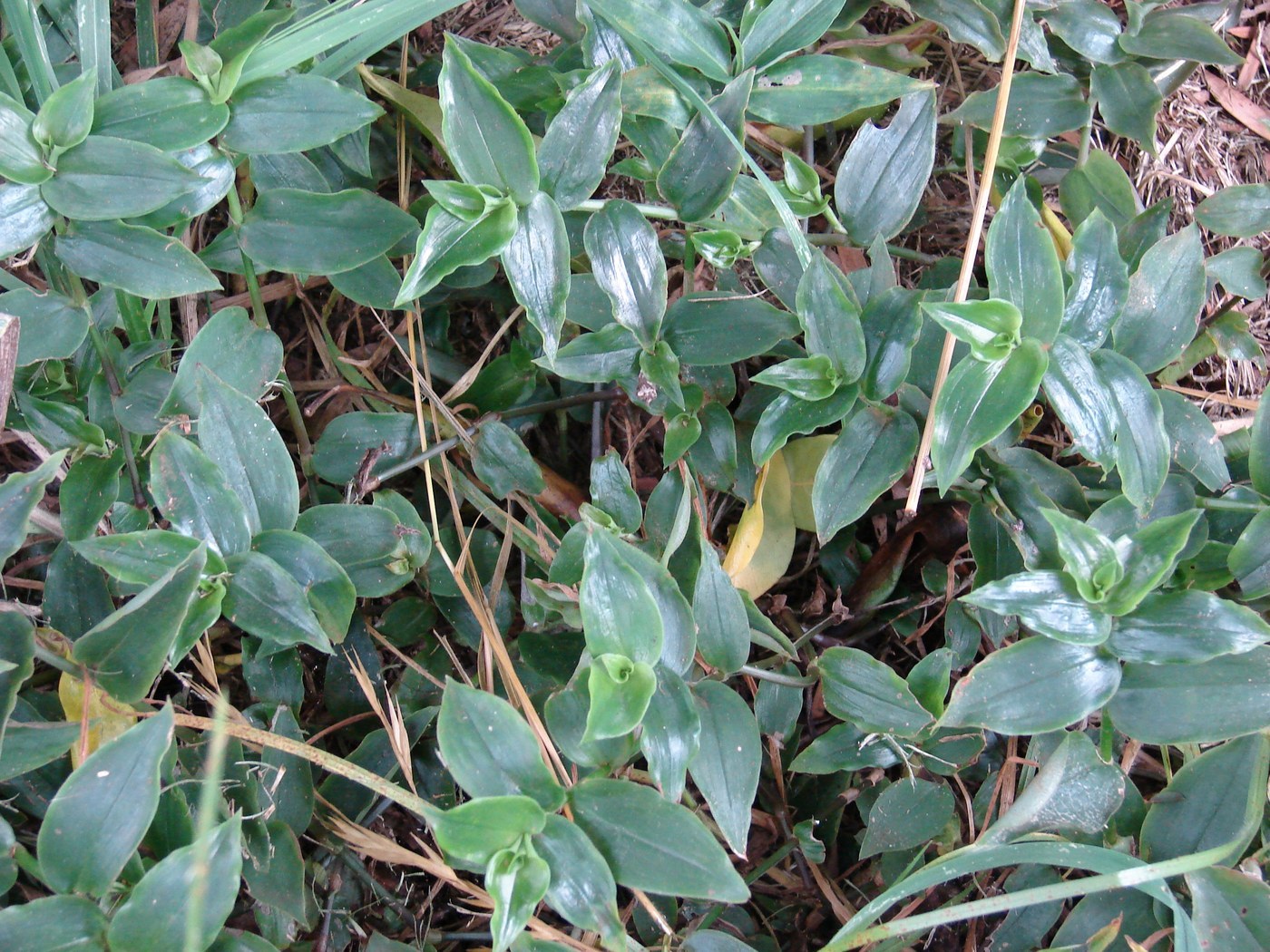
The Inchplant (Tradescantia fluminensis) is a fast-growing, trailing houseplant with glossy, pointed leaves along fleshy, jointed stems that cascade beautifully from hanging baskets and shelves. It is vigorous, forgiving, and one of the easiest plants to propagate, making it a great choice for beginners who want quick, lush results.
Light
Give Inchplant bright indirect light for the fullest growth and best leaf color, especially in variegated forms whose stripes fade in low light. An east or north window, or a spot near a bright window shielded from harsh rays, is ideal. Too little light causes leggy, sparse stems with wide gaps between leaves. Avoid intense direct midday sun, which can bleach or scorch the foliage.
Water
Water weekly and keep the soil lightly moist but never waterlogged. Let the top inch or so of soil dry slightly between waterings, then water thoroughly. Inchplant likes a bit more moisture than most easy houseplants and will wilt and crisp at the edges if allowed to dry out fully for long. At the same time, soggy, standing water leads to stem and root rot, so ensure the pot drains freely.
Soil & Potting
Use a standard, well-draining potting mix rich in organic matter. A general houseplant mix amended with a little perlite works well, providing moisture retention with enough aeration to prevent sogginess. Always plant in a container with drainage holes. Hanging baskets and wide pots suit its trailing, spreading habit.
Humidity & Temperature
Inchplant appreciates average to slightly elevated humidity and grows lushest in a moderately humid room, though it adapts well to normal household conditions. Comfortable temperatures range from about 60 to 80 degrees F. Keep it away from cold drafts and avoid temperatures below roughly 50 degrees F, which cause stress and leaf drop.
Feeding
Feed every two to four weeks during spring and summer with a balanced, diluted liquid fertilizer to fuel its rapid growth. Reduce or stop feeding in fall and winter when growth naturally slows. Avoid over-fertilizing, which can cause variegated types to lose their patterning and produce weak, floppy growth.
Propagation
Propagation could hardly be easier. Snip a stem segment just below a node, remove the lowest leaves, and place it in water or directly into moist soil. Roots form within days to a couple of weeks. Several cuttings potted together quickly create a full, bushy plant. Regular propagation is also a great way to refresh a plant that has grown leggy.
Repotting / Pruning
Repot every year or two as it fills its container, moving up one pot size in spring. Pruning is important for this vigorous grower: pinch or trim stem tips regularly to encourage branching and keep the plant full rather than straggly. Cut back leggy stems hard and the plant will bounce back with dense new growth. Save the trimmings to propagate.
Common Problems & Pests
Leggy, sparse growth is the most common complaint and signals too little light or a need for pruning. Faded variegation also points to insufficient light. Brown, crispy leaf tips indicate underwatering or very dry air, while yellowing, mushy stems mean overwatering. Watch for spider mites in dry conditions and for aphids on tender new growth; rinse the foliage and treat with insecticidal soap as needed. Good airflow and not letting the plant sit in water keep most problems at bay.
Seasonal Care Tips
Through spring and summer, Inchplant grows fast; water regularly, feed lightly, and prune often to maintain a lush shape. In fall and winter, growth slows, so water a little less and pause feeding. If winter light is weak and stems stretch, move the plant closer to a bright window or supplement with a grow light, and give it a rejuvenating trim in early spring.
Frequently asked questions
Why is my Inchplant getting leggy?
Legginess comes from too little light or infrequent pruning. Move it to brighter indirect light and pinch back the stem tips regularly to encourage dense, bushy branching.
How do I propagate Inchplant?
Cut a stem just below a node, remove the lowest leaves, and root it in water or moist soil. Roots appear within days to a couple of weeks, and several cuttings together make a full plant fast.
How often should I water Inchplant?
Water about weekly, keeping the soil lightly moist but not soggy. Let the top inch dry slightly between waterings. It likes a bit more moisture than most easy houseplants.
Why is my variegated Inchplant losing its stripes?
Fading variegation usually means the plant is not getting enough light. Move it to a brighter spot with plenty of indirect light, and avoid over-fertilizing, which can also dull the pattern.
Inchplant identified by the community
Recent Inchplant specimens identified with Plant Identifier.