
How to Care for Irish Yew
Grow the columnar Irish Yew as a dense, dark-green evergreen accent; it tolerates sun or shade and thrives in well-drained soil with modest care.
Read the full Irish Yew encyclopedia entry →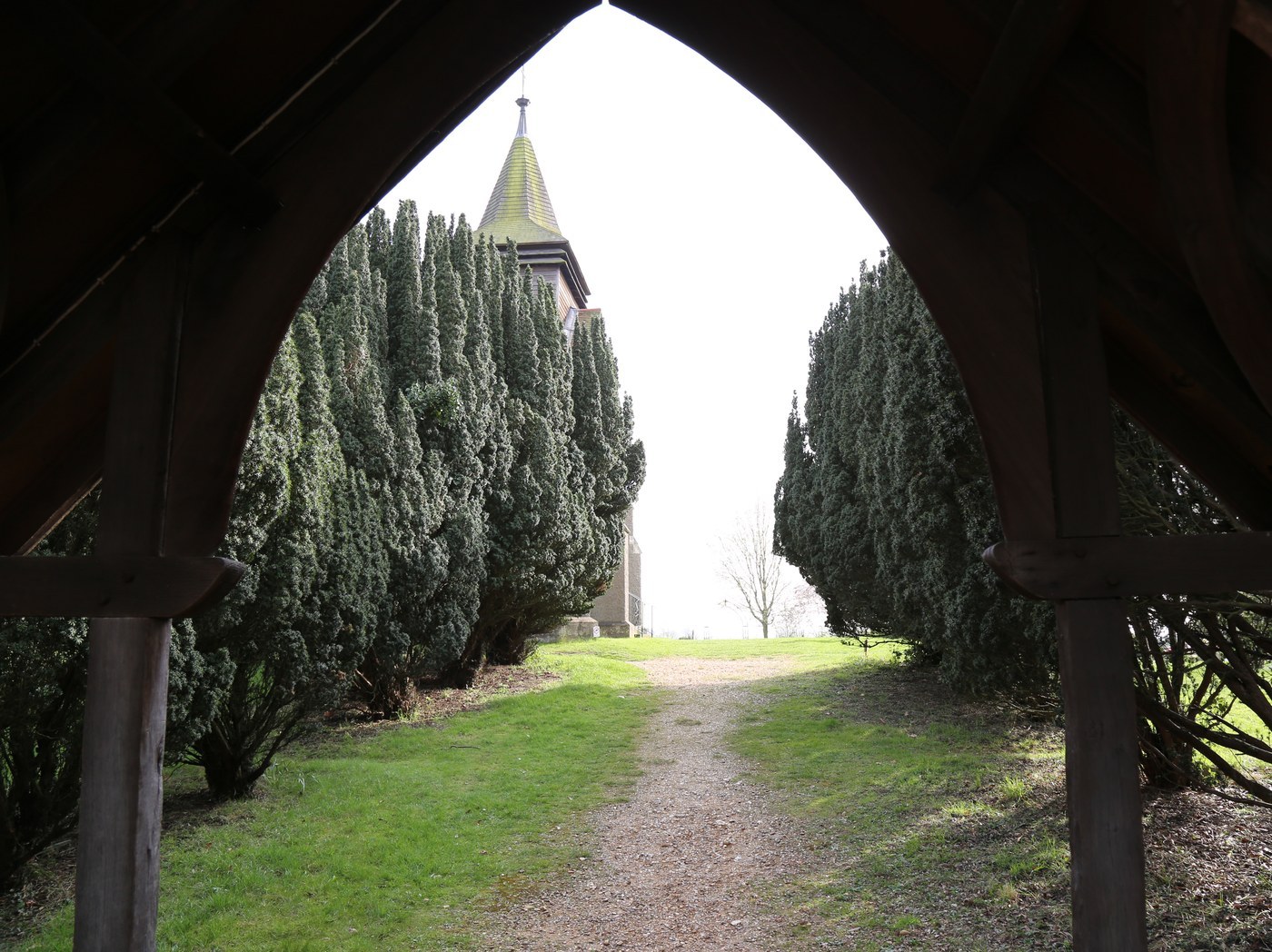
The Irish Yew (Taxus baccata 'Fastigiata') is a distinctive columnar evergreen with dense, upright branches and dark green needles, long used for formal accents, hedging, and topiary. It is remarkably adaptable and long-lived, tolerating a wide range of conditions as long as its roots are not left in waterlogged ground.
Light
One of its greatest strengths is versatility with light. Irish Yew grows well in full sun, partial shade, or fairly deep shade, making it valuable for difficult spots where other evergreens struggle. Growth is densest in more light, but the plant keeps good form even in shade. It appreciates some shelter from harsh, drying winds.
Water
Provide moderate, even moisture, especially while young and establishing. Once established it is fairly drought tolerant, but the single thing yew will not forgive is standing water and soggy soil, which cause root rot and dieback. Water deeply during dry spells and always ensure excess drains away freely.
Soil & Potting
Well-drained soil is the top priority. Irish Yew adapts to a wide pH range and to sandy, loamy, or chalky soils, but it must not sit in wet, heavy clay. Improve drainage with organic matter and grit where needed. In containers, use a loam-based mix with added drainage and a large, stable pot to support the upright form.
Humidity & Temperature
As a temperate evergreen, Irish Yew handles a broad range of temperatures and is cold hardy through typical winters. It tolerates ordinary outdoor humidity without issue. In very exposed sites, winter wind and heavy snow can splay the tight columnar branches, so shelter or support helps preserve the shape.
Feeding
Yew is not a heavy feeder. A single application of balanced granular or slow-release fertilizer in early spring supports steady growth, and a mulch of compost around the base improves the soil over time. Avoid overfeeding, which can push soft, weak growth.
Propagation
Propagate from semi-hardwood cuttings taken in late summer to autumn. Take cuttings from upright shoots to preserve the columnar habit, dip in rooting hormone, and root them in a gritty medium in a cold frame or sheltered spot; rooting is slow but reliable. Yew can also be grown from seed, though it is slow and does not always come true to the columnar form.
Repotting / Pruning
Repot container specimens every few years into fresh mix as they fill their pots. Yew tolerates hard pruning exceptionally well, even into old wood, which makes it ideal for clipping into formal columns, hedges, or topiary. Prune in late spring to summer to maintain the tight upright shape, and tie in or lightly clip any branches that splay outward.
Common Problems & Pests
The most serious problem is root rot from waterlogged soil, appearing as browning and dieback; ensure sharp drainage. Yellowing foliage can also signal wet feet or poor drainage. Watch for scale insects, vine weevil (whose grubs damage roots, especially in containers), and occasional needle browning from winter wind or salt exposure.
Seasonal Care Tips
Spring is the time to feed, mulch, and plant. Prune and clip through late spring and summer to keep the columnar form crisp. In winter, protect exposed plants from heavy snow load and drying winds that can open up or damage the tight branch structure, and avoid waterlogging during cold wet spells.
Frequently asked questions
Can Irish Yew grow in shade?
Yes. It is one of the most shade-tolerant evergreens, thriving in full sun, partial shade, or fairly deep shade, though growth is densest with more light.
Why is my Irish Yew going brown?
The most common cause is waterlogged soil and root rot. Yew demands good drainage. Winter wind and heavy snow can also brown or splay the foliage.
Can I prune Irish Yew hard to reshape it?
Yes. Yew is unusual among conifers in tolerating hard pruning, even into old wood, which is why it is a classic choice for hedges and topiary.
How do I keep the columnar shape tight?
Clip in late spring and summer, tie in or trim splaying branches, and shelter exposed plants from heavy snow and strong winds that can open up the column.