
How to Care for Ironweed
Ironweed is a tall, tough native perennial with vivid purple late-summer flowers, thriving in sun and moist soil with almost no fuss.
Read the full Ironweed encyclopedia entry →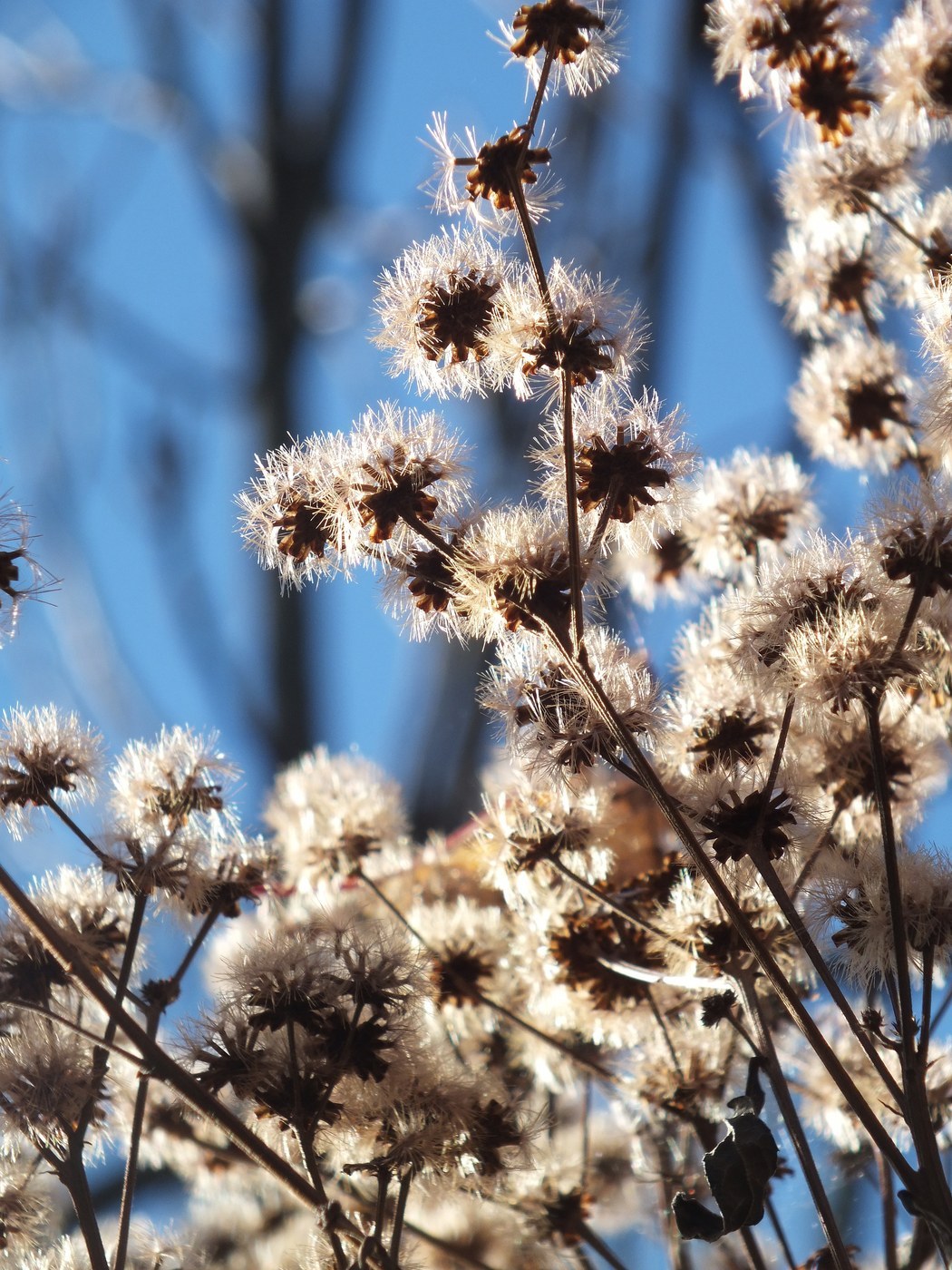
Ironweed (Vernonia gigantea) is a stately native perennial grown for its towering stems and clusters of intense violet-purple flowers in late summer and early autumn. Robust and long-lived, it is an easy, low-maintenance choice for the back of a sunny border or a naturalistic meadow planting.
Light
Grow Ironweed in full sun to partial shade. It flowers most heavily and stands most sturdily upright in full sun. In partial shade it still performs but tends to grow taller and lankier and may need support to prevent flopping. For the strongest stems and richest bloom color, give it as much sun as you can.
Water
Ironweed prefers moderate to high moisture and does best in soil that stays reliably moist. It is a natural fit for damp meadows, rain gardens, and low spots that other perennials find too wet. Water regularly during dry spells, especially in its first season and in hotter, drier gardens. While it tolerates some short-term dryness once established, prolonged drought stresses it and can cause lower leaves to brown.
Soil & Potting
This adaptable perennial grows in a wide range of soils, including heavy clay, and tolerates the moist to occasionally wet conditions many plants dislike. It is most vigorous in fertile soil rich in organic matter. Good moisture retention is more important than sharp drainage here. It is primarily a garden plant rather than a container subject, given its considerable height.
Humidity & Temperature
Ironweed is a hardy, cold-tolerant perennial that dies back to the ground each winter and returns reliably in spring. It handles hot, humid summers with ease and needs no special humidity provision. Its natural resilience to a range of temperate conditions makes it a dependable structural plant year after year.
Feeding
Feeding needs are minimal. In average or fertile soil, Ironweed rarely needs supplemental fertilizer. A spring mulch of compost is usually all it requires. Avoid rich, high-nitrogen feeding, which encourages excessively tall, weak, floppy growth that is more likely to need staking.
Propagation
Ironweed can be propagated by seed, division, or cuttings. Seed sown after a period of cold, moist stratification germinates in spring. Established clumps can be lifted and divided in spring to control size and make new plants. Basal cuttings taken in spring also root well. Note that it can self-seed freely, so deadheading before seed sets helps control unwanted spread.
Repotting / Pruning
To manage its considerable height and encourage bushier, more self-supporting growth, cut the stems back by about a third to a half in late spring or early summer, a technique sometimes called the Chelsea chop. This delays and shortens the plant slightly while making it sturdier. Cut spent stems to the ground in late autumn or early spring. Divide congested clumps every few years to keep them vigorous.
Common Problems & Pests
Ironweed is largely trouble-free and resilient. The most common issue is flopping, which results from too much shade, overly rich soil, or excess moisture combined with height; cutting back in early summer and siting it in full sun both help. Lower leaves may brown in drought, so keep the soil moist. It self-seeds readily, which can be a nuisance in tidy borders. Serious pest and disease problems are uncommon; occasional powdery mildew may appear in crowded, stagnant conditions.
Seasonal Care Tips
In spring, clear old stems, mulch, and divide clumps if needed. In late spring to early summer, consider cutting stems back to reduce height and improve sturdiness. Through summer, keep the soil moist during dry weather as the plant builds toward its late-season display. The vivid purple flowers arrive in late summer into autumn; deadhead if you want to limit self-seeding. In late autumn, cut back the faded stems or leave them standing for winter structure.
Frequently asked questions
Why is my Ironweed flopping over?
Flopping comes from too much shade, overly rich soil, or its natural height. Grow it in full sun and cut the stems back by a third in early summer for sturdier growth.
Does Ironweed need a lot of water?
Yes, it prefers consistently moist soil and thrives in damp spots and rain gardens. Water regularly in dry spells, as prolonged drought stresses the plant.
How do I stop Ironweed from spreading everywhere?
It self-seeds freely, so deadhead the flowers before seed sets to limit unwanted seedlings. Dividing clumps also helps keep it in check.
When does Ironweed bloom?
It produces its vivid violet-purple flower clusters in late summer and early autumn, making it a valuable late-season perennial for sunny borders and meadows.