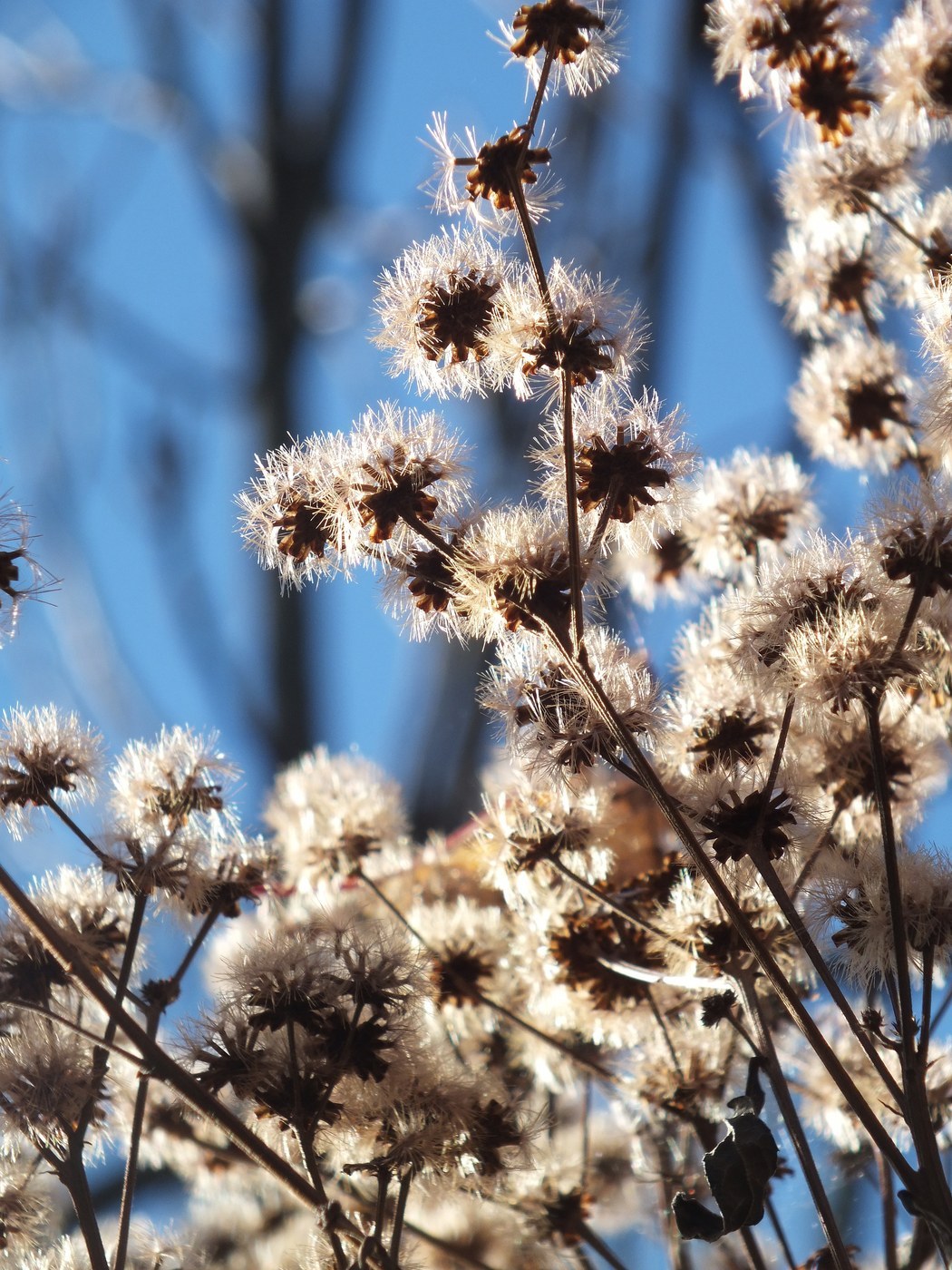
Ironweed
Vernonia gigantea
A tall, robust native perennial crowned in late summer with clusters of intensely purple flowers. Its tough, wiry stems and iron-hard durability give it its name.
- Light
- Full sun to partial shade
- Water
- Moderate to high; moist soil
- Difficulty
- Easy
Got a plant like this?
Identify any plant from a photo, free.
Overview
Ironweed is a towering North American native perennial that brings vivid royal-purple color to moist meadows and field edges in late summer and fall. Its name refers to the toughness of its rusty-hued stems and its hardy, durable nature.
Flat-topped clusters of small, fluffy purple flowers crown the tall stems and draw clouds of butterflies, bees, and other pollinators. Thanks to its tough, durable nature, ironweed often stands tall and conspicuous in meadows and pastures into the late season.
How to identify it
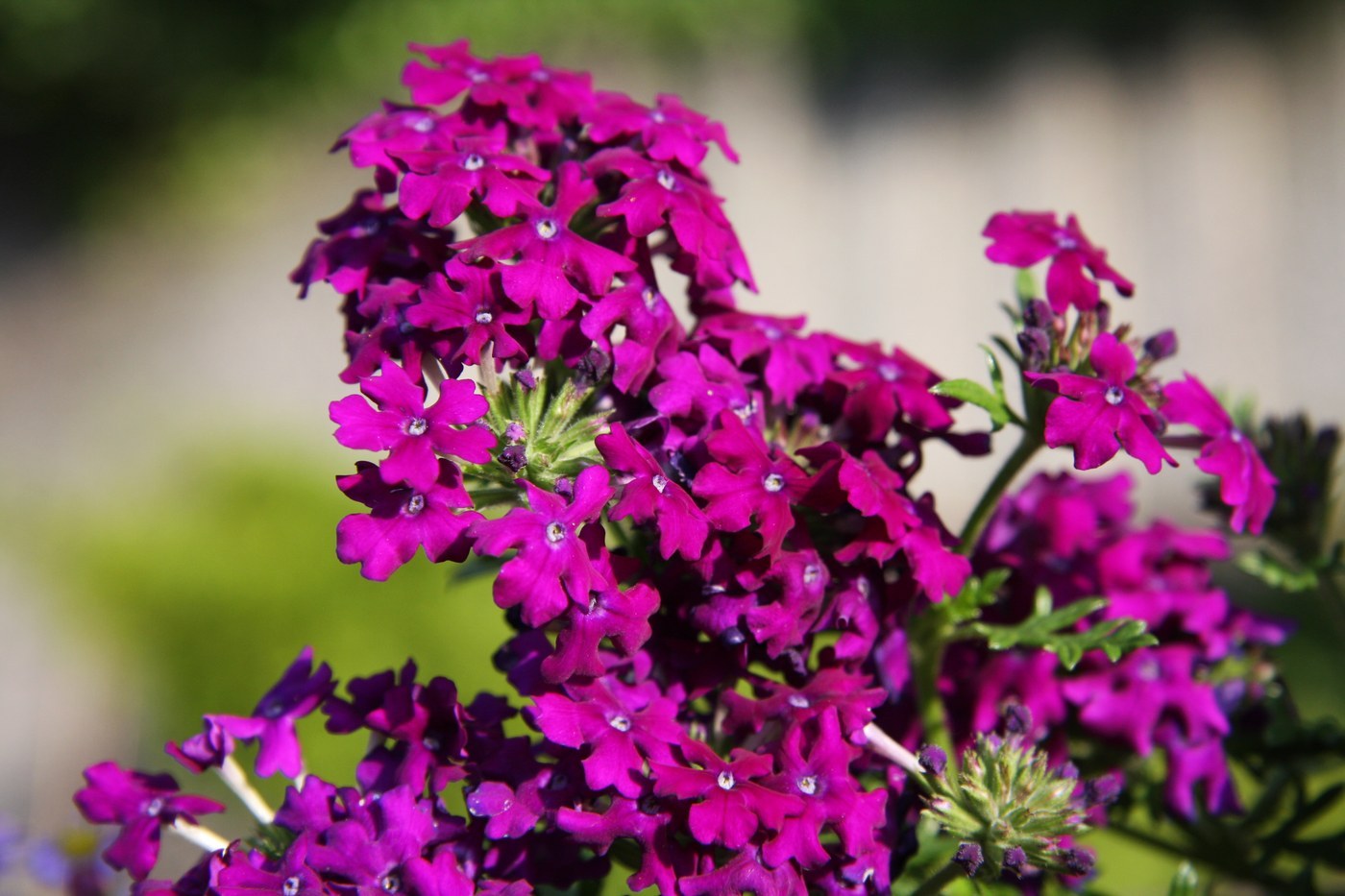
- Flowers: Small, fluffy, deep reddish-purple flower heads in loose, branching, flat-topped clusters
- Leaves: Lance-shaped, alternate, finely toothed, dark green
- Stems: Tall, sturdy, often 4-8 feet or more
- Habit: Clump-forming perennial; develops a rusty look as seed heads age
- Bloom time: Late summer into autumn
Care & growing
Ironweed is undemanding and thrives in moist, sunny sites.
- Light: Full sun to partial shade
- Water: Moderate to high; prefers consistently moist soil but tolerates average garden moisture
- Soil: Fertile, moist, well-drained soil; adapts to clay
- Temperature: Hardy in USDA zones 4-9
- Feeding: Generally none needed
- Propagation: By seed, division, or basal cuttings; can be cut back in early summer to reduce height
Habitat & origin
Vernonia gigantea is native to eastern and central North America, where several similar ironweed species occur.
It grows in moist meadows, prairies, pastures, stream banks, floodplains, and open woodland edges. It is common in damp, sunny, disturbed ground and is often conspicuous in late-season fields and roadsides.
Frequently asked questions
Why is it called ironweed?
The name refers to its tough, wiry, hard-to-break stems and its overall durability, as well as the rusty, iron-colored appearance of its aging seed heads.
Is ironweed good for pollinators?
Yes, its bright purple flowers are a valuable late-summer nectar source for butterflies, especially monarchs, and for many native bees.
How do I keep ironweed shorter?
Cut the stems back by about a third in early summer (the 'Chelsea chop') to encourage a bushier, shorter plant that is less likely to flop.
Ironweed guides
In-depth guides for identifying, growing, and caring for Ironweed.
How to Care for Ironweed
Ironweed is a tall, tough native perennial with vivid purple late-summer flowers, thriving in sun and moist soil with almost no fuss.
Ironweed Identification Guide
Identify Ironweed by its flat-topped clusters of intensely red-purple flower heads, tall tough stems, and willow-like toothed leaves in late-summer wet meadows.