
How to Care for Jabuticaba
Grow jabuticaba (Plinia cauliflora), a slow-growing Brazilian tree prized for glossy foliage and blooms borne directly on its trunk.
Read the full Jabuticaba encyclopedia entry →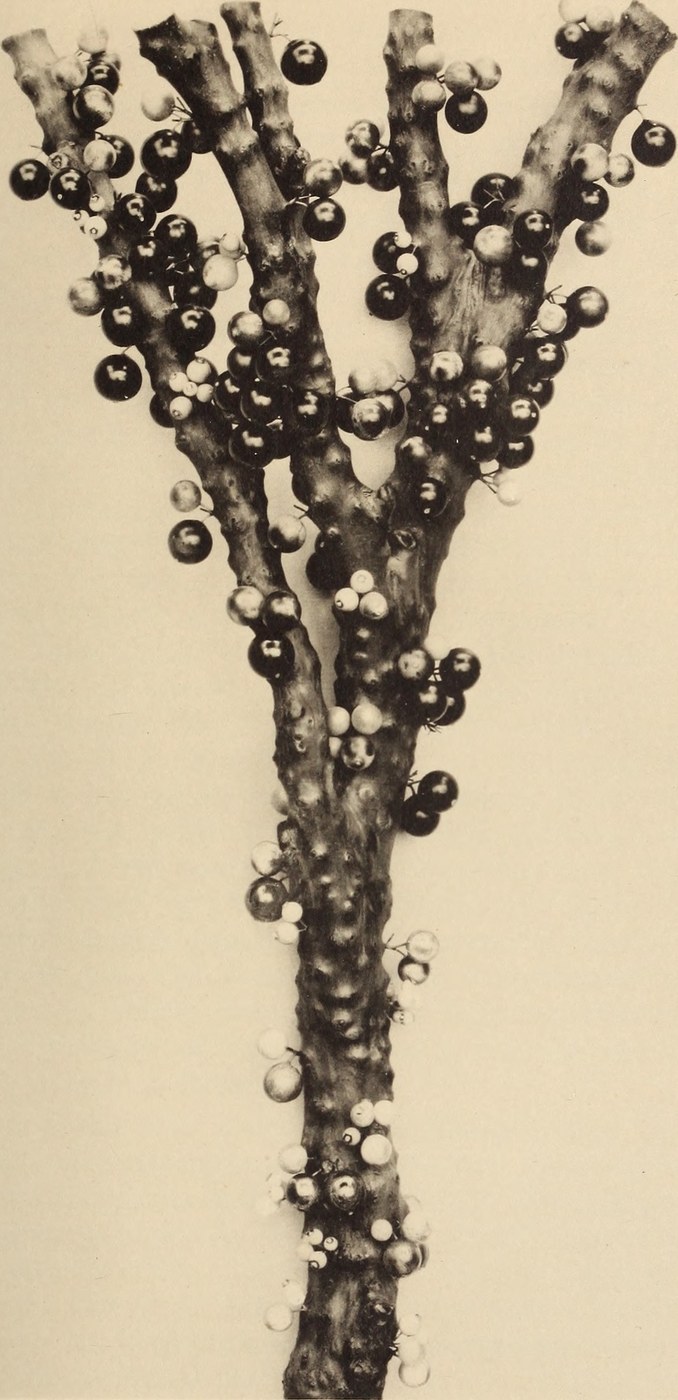
Jabuticaba (Plinia cauliflora) is a slow-growing Brazilian tree famous for producing its flowers and fruit directly on the bark of the trunk and main branches, a trait called cauliflory. It has dense, fine-textured evergreen foliage and beautiful mottled peeling bark, making it a striking specimen or large container plant for warm climates.
Light
Jabuticaba grows best in full sun to partial shade. Mature trees appreciate full sun for the densest canopy and most reliable flowering, while young plants benefit from some protection from harsh midday sun. Indoors or in a greenhouse, give it the brightest position possible.
Water
This tree likes frequent watering and prefers to stay evenly moist. It does not tolerate prolonged drought well, and dry roots slow its already leisurely growth and can cause leaf drop. Water regularly so the soil never fully dries out, but ensure drainage is good enough that roots are not left standing in water.
Soil & Potting
Use a rich, deep, well-draining soil that is slightly acidic. Jabuticaba naturally favors acidic conditions, so amend with organic matter such as compost or peat to lower pH and hold moisture. In containers, choose a large, deep pot with ample drainage and a loose, humus-rich mix.
Humidity & Temperature
As a subtropical to tropical species, jabuticaba prefers warm temperatures and moderate to high humidity. It is sensitive to hard frost, so in cool climates grow it in a container that can be moved indoors or into a greenhouse over winter. Protect it from cold drafts and freezing conditions.
Feeding
Feed regularly through the growing season with a balanced fertilizer, ideally one formulated for acid-loving plants. Because it grows slowly and prefers acidic soil, steady light feeding supports healthy foliage and helps maintain proper soil pH. Reduce feeding in the cooler, low-growth months.
Propagation
Jabuticaba is most commonly propagated from seed, though seedlings take many years to reach flowering size. Grafting and air layering are used to produce plants that mature faster and stay true to the parent. Seeds should be sown fresh, as they lose viability quickly when allowed to dry.
Repotting / Pruning
Repot container specimens every couple of years or when roots fill the pot, moving up gradually to larger containers. Pruning needs are minimal; simply remove dead or crossing branches and lightly shape as desired. The tree responds well to shaping and can be maintained at a manageable size in a pot.
Common Problems & Pests
Watch for scale insects, aphids, mealybugs, and spider mites, especially on stressed or indoor plants. Chlorotic yellowing leaves usually signal soil that is too alkaline; correct with acidifying amendments. Leaf drop typically results from dryness, cold, or sudden environmental change. Keep humidity up and moisture steady to keep the tree healthy.
Seasonal Care Tips
During the warm growing season, keep watering frequent and feeding steady. In cooler months, reduce feeding and, in frost-prone areas, bring container plants under cover before temperatures drop. Patience is key with this species, as it grows and matures slowly over many years.
Frequently asked questions
Why does jabuticaba grow so slowly?
Slow growth is natural for this species. Consistent moisture, warmth, acidic soil, and steady feeding help it grow as fast as it can, but it remains a patient, long-term tree.
What soil pH does jabuticaba prefer?
It favors slightly acidic soil. Amend with compost or peat and use an acid-loving-plant fertilizer; alkaline soil often causes yellowing leaves.
Can jabuticaba be grown in a container?
Yes. Its slow growth suits pot culture well. Use a large, deep, well-draining container with rich acidic mix, and move it indoors or under cover in frost-prone climates.
Why are my jabuticaba leaves dropping?
Leaf drop is usually caused by the soil drying out, cold exposure, or a sudden change in environment. Keep moisture even, warmth stable, and protect it from cold drafts.