
How to Care for Jacaranda
Growing guide for Jacaranda (Jacaranda mimosifolia), the spectacular flowering tree famed for its clouds of violet-blue blooms.
Read the full Jacaranda encyclopedia entry →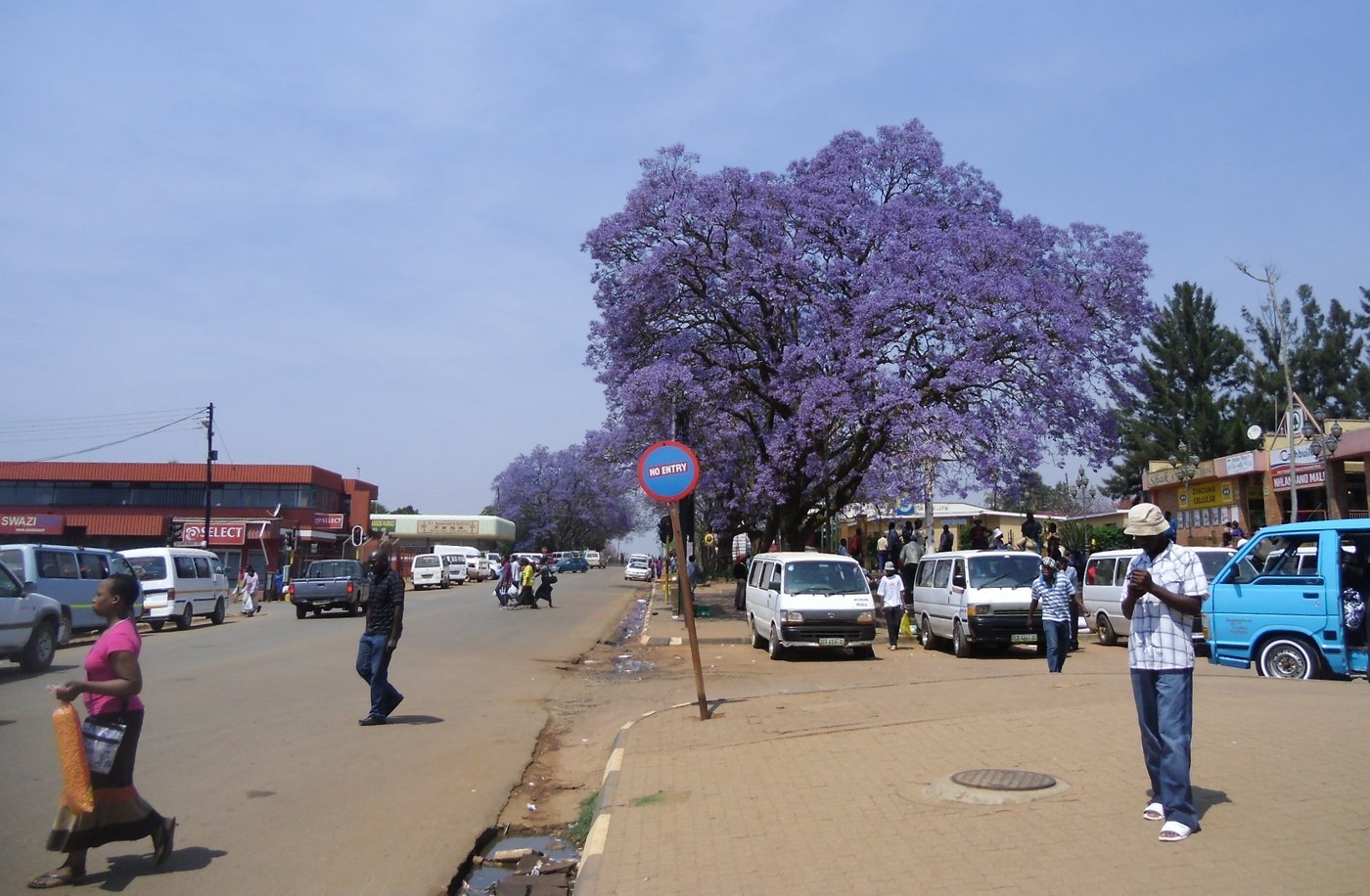
Jacaranda (Jacaranda mimosifolia) is a fast-growing subtropical tree celebrated for its breathtaking canopy of violet-blue trumpet flowers and delicate, fern-like foliage. In warm climates it becomes a stunning landscape specimen, while young plants can be grown in large containers. It rewards good light and warmth with an unforgettable spring or early-summer display.
Light
Jacaranda needs full sun to flower well and grow strong. Plant it in the sunniest available position, where it receives at least six hours of direct sun daily; the more light it gets, the more prolific its blooming. Young container-grown trees should be kept in the brightest possible spot. In shade the tree grows weak and spindly and flowers poorly or not at all.
Water
Water needs are moderate. Keep young trees regularly watered through their establishment years to build a deep, healthy root system, watering deeply rather than shallowly. Once established, jacaranda is quite drought-tolerant and can withstand dry spells, though occasional deep soaks in prolonged drought keep it looking its best. Avoid constantly wet, poorly drained soil, which harms the roots and encourages rot.
Soil & Potting
Jacaranda prefers well-drained, moderately fertile soil and is happiest in sandy or loamy ground. It tolerates a range of soil types but resents heavy, waterlogged clay. A neutral to slightly acidic pH suits it well. For container culture, use a large, deep pot with excellent drainage and a free-draining, loam-based mix. Good drainage is essential to prevent root problems in both ground and pot.
Humidity & Temperature
This is a warm-climate tree that thrives in subtropical and frost-free temperate regions. It relishes heat and grows vigorously in warm conditions. Young trees are frost-sensitive and can be damaged or killed by hard freezes, so in cooler climates grow them in pots that can be moved to shelter over winter. Mature trees tolerate light frost better. It needs no special humidity and handles dry heat well.
Feeding
Feed young trees with a balanced fertilizer in spring to support their fast growth, but go easy on nitrogen once the tree matures, as excess nitrogen promotes leafy growth at the expense of flowers. A fertilizer formulated to encourage blooming, applied in spring, supports the display. Established trees in reasonable soil often need little feeding. Avoid overfertilizing, which can delay or reduce flowering.
Propagation
Jacaranda is grown readily from seed, which germinates well in warm conditions; soak the seeds and sow in a light, well-drained mix in warmth, and expect fast seedling growth. Semi-hardwood cuttings taken in the growing season can also be rooted with bottom heat and rooting hormone. Note that seed-grown trees may take several years to reach flowering size and can vary from the parent.
Repotting / Pruning
Container jacarandas need repotting into larger pots as they grow, done in spring; they can also be kept smaller and shrub-like with regular pruning. Prune to establish a strong central leader and well-spaced branches while young, as the wood is somewhat brittle. Light shaping is best done after flowering. Avoid heavy pruning of mature trees, which can spur excessive weak regrowth. Remove dead or crossing branches to maintain a sound structure.
Common Problems & Pests
Jacaranda is generally healthy but can suffer in unsuitable conditions. Poor drainage leads to root rot, and cold snaps damage tender young growth. It may fail to flower when too young, given too little sun, or overfed with nitrogen. Occasional pests include aphids, scale, and whitefly, treatable with insecticidal soap. The brittle wood can break in strong wind, so shelter and good pruning structure help. Chlorosis can appear in overly alkaline soils.
Seasonal Care Tips
In spring and early summer, enjoy the flowering display and feed to support growth; this is the main bloom season in many regions. Through summer, water deeply during dry heat while the tree grows vigorously. In autumn, ease back on watering and feeding. In winter, protect young or container trees from frost by moving pots to shelter or wrapping in-ground youngsters; the tree may drop its foliage and rest before flushing again in spring.
Frequently asked questions
Why won't my Jacaranda flower?
Common causes are the tree being too young, too little sunlight, or too much nitrogen fertilizer. Seed-grown trees can take several years to bloom; give full sun and a bloom-supporting feed.
Can I grow a Jacaranda in a cold climate?
Only with protection. Young jacarandas are frost-sensitive, so in cooler regions grow them in large pots that can be moved indoors or to shelter over winter.
How much water does a Jacaranda need?
Water young trees regularly and deeply to establish them. Once established they are quite drought-tolerant, needing only occasional deep soaks in prolonged dry spells. Avoid waterlogged soil.
When and how should I prune a Jacaranda?
Shape young trees to a strong central leader and well-spaced branches, since the wood is brittle. Do light shaping after flowering and avoid heavy pruning of mature trees.