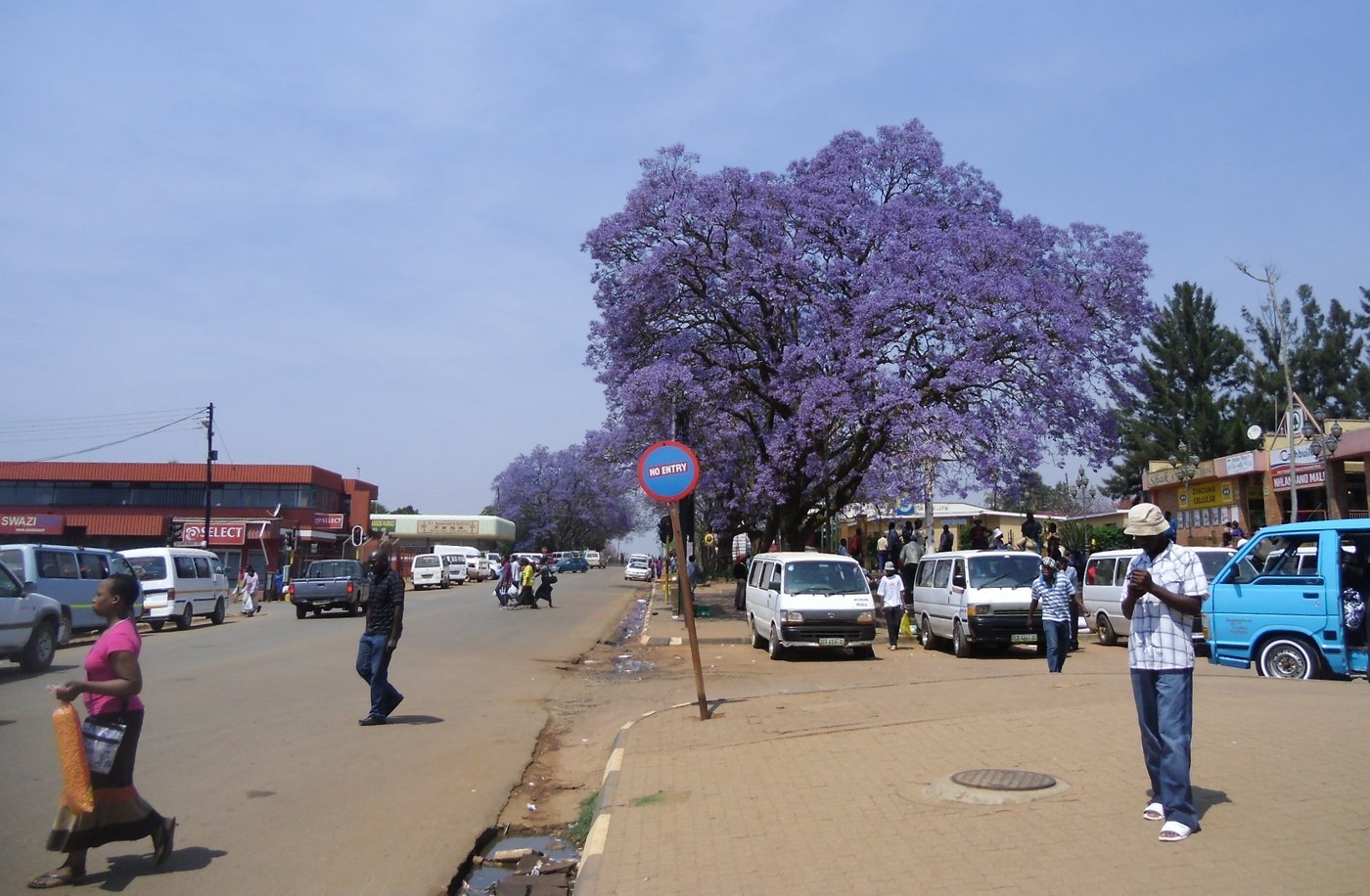
Jacaranda
Jacaranda mimosifolia
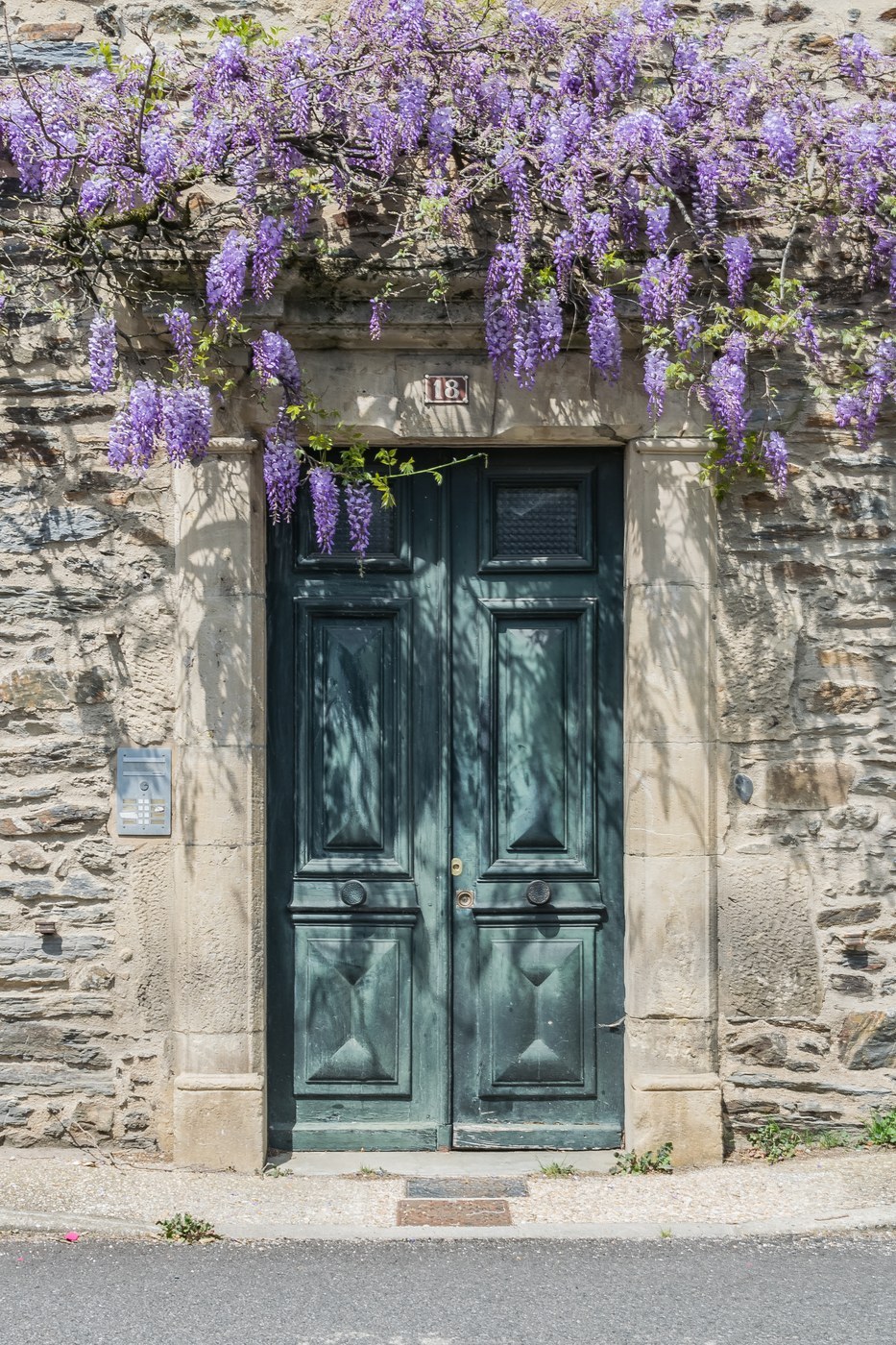
A subtropical tree famous for spectacular clouds of violet-blue trumpet flowers in spring, paired with delicate fern-like foliage and a broad, airy canopy.
- Light
- Full sun
- Water
- Moderate; drought-tolerant once established
- Difficulty
- Moderate
Got a plant like this?
Identify any plant from a photo, free.
Overview
Jacaranda is one of the world's most beloved flowering trees, drawing crowds wherever its lavender-blue blossoms erupt in spring and early summer. Native to South America, it has been planted across warm regions worldwide and is an icon of cities like Pretoria, Sydney, and Los Angeles.
Its twice-divided, fern-like leaves give a light, lacy texture, and beneath a blooming tree the ground is carpeted with fallen purple flowers. It is fast-growing but frost-sensitive, thriving only in mild, subtropical, and warm-temperate climates.
How to identify it
Flowers and foliage are unmistakable in bloom:
- Flowers trumpet-shaped, violet-blue to lavender, about 2 in long, borne in dense showy clusters (panicles) that often appear before or with the leaves
- Leaves large, bipinnately compound and fern-like, soft and feathery, mostly deciduous to semi-evergreen
- Fruit flat, round, woody seed capsules (resembling castanets) that persist on the tree
- Bark thin, gray-brown, smooth becoming finely scaly
- Form broad, spreading, open crown 25-50 ft tall
Care & growing
Loves warmth, sun, and good drainage.
- Light: Full sun for best flowering
- Water: Moderate; drought-tolerant once established, but blooms best with some summer water
- Soil: Well-drained sandy loam preferred; tolerates poor soil but dislikes heavy wet clay
- Temperature: Hardy in USDA zones 9-11; young trees damaged by frost
- Feeding: Avoid high-nitrogen feeds, which encourage leaves over flowers
- Propagation: From seed (blooms in several years) or semi-hardwood cuttings
Habitat & origin
Native to south-central South America, particularly the dry slopes of Argentina and Bolivia. In the wild it grows in subtropical woodland.
It is now planted ornamentally throughout warm regions worldwide — in Australia, southern Africa, Mediterranean Europe, India, and the warmer United States — where it has become emblematic of many cities. In some places it self-seeds enough to be considered mildly invasive.
Frequently asked questions
When does a jacaranda bloom?
Mainly in spring to early summer, often a spectacular flush of violet-blue flowers; timing varies by climate and hemisphere.
Can I grow it where it freezes?
Not in the ground — it is frost-sensitive and survives outdoors only in zones 9-11, though it can be grown as a container plant elsewhere.
Why won't my jacaranda flower?
Common causes are too much shade, excessive nitrogen fertilizer, a young tree, or pruning that removes flower buds.
Are the flowers and pods messy?
Yes — falling blossoms and woody seed capsules drop heavily, so it is best sited away from pools and paving.
Jacaranda guides
In-depth guides for identifying, growing, and caring for Jacaranda.
How to Care for Jacaranda
Growing guide for Jacaranda (Jacaranda mimosifolia), the spectacular flowering tree famed for its clouds of violet-blue blooms.
Jacaranda Identification Guide
Identify jacaranda by its lavender-blue trumpet flowers, lacy fern-like bipinnate leaves, and round woody seed pods. Covers flowers, leaves, pods, look-alikes, and habitat.