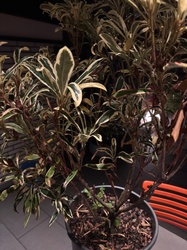
How to Care for Japanese Andromeda
An elegant evergreen shrub with cascading spring flowers and bronze new growth; give it part shade, acidic moist soil, and shelter from harsh sun and wind.
Read the full Japanese Andromeda encyclopedia entry →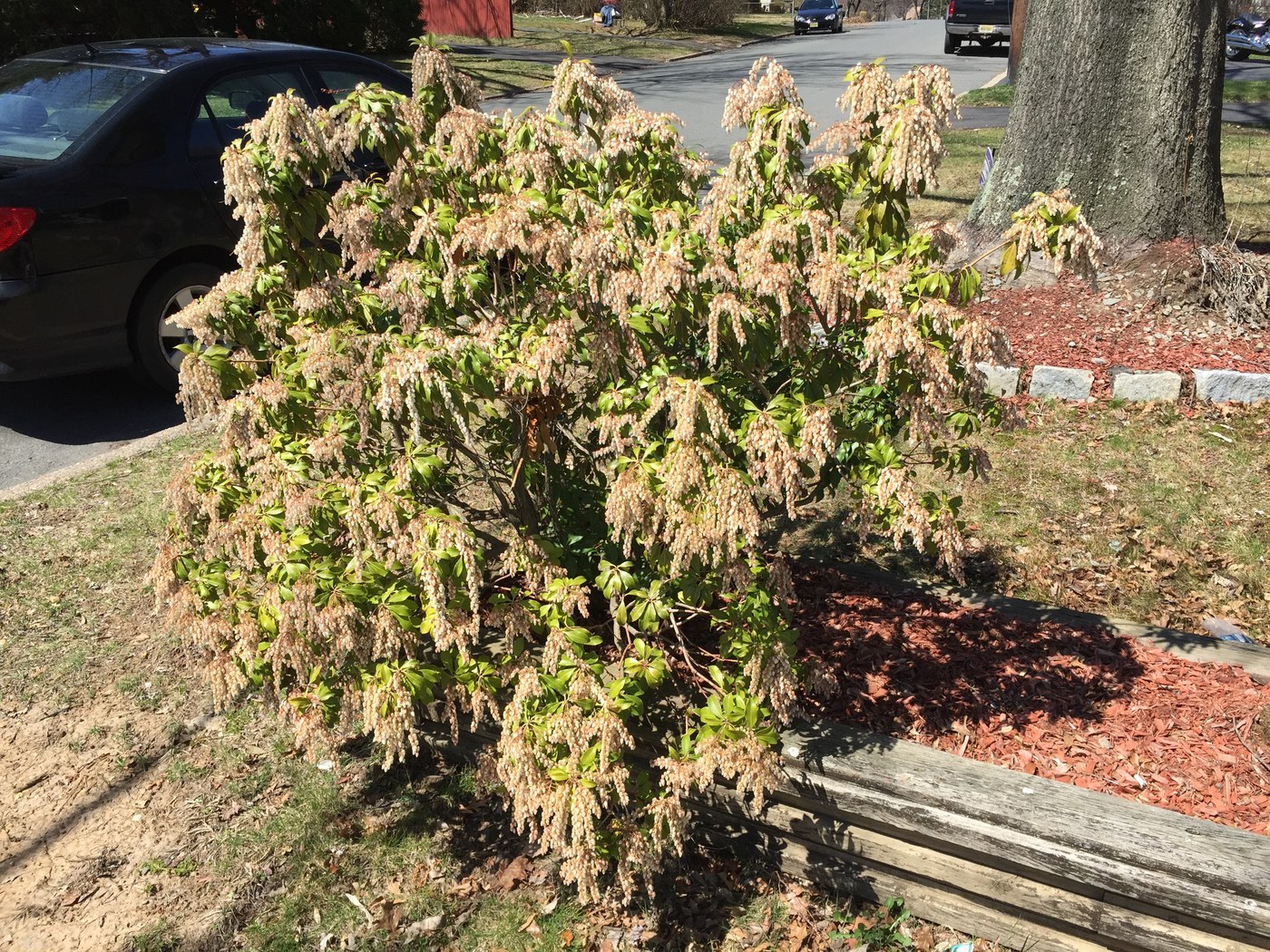
Japanese Andromeda (Pieris japonica), also called Lily-of-the-Valley Shrub, is a graceful broadleaf evergreen prized for its drooping panicles of urn-shaped spring flowers and vivid bronze-red new foliage. An acid-loving relative of rhododendrons, it thrives in dappled woodland conditions with consistent moisture.
Light
Plant in part shade to dappled sun. Pieris performs best with morning sun and afternoon shade or filtered light beneath high trees. Too much hot, direct sun scorches and bleaches the leaves and stresses the shallow roots, while deep shade reduces flowering and produces sparse, leggy growth. Bright, indirect light is the sweet spot.
Water
Provide regular water to keep the soil evenly moist but never waterlogged. Pieris has fine, shallow roots that dry out quickly, so water during dry spells and especially through the first few seasons after planting and in summer heat. A generous layer of acidic organic mulch such as pine bark or leaf mold is essential to conserve moisture and keep the roots cool.
Soil & Potting
Acidic, humus-rich, well-drained soil is essential, ideally pH 4.5 to 6.0. Like rhododendrons, Pieris cannot tolerate alkaline or heavy waterlogged soil, which causes chlorosis and root problems. Amend with peat-free ericaceous compost, composted bark, or leaf mold. For containers use an ericaceous (acidic) potting mix and ensure free drainage.
Humidity & Temperature
Japanese Andromeda favors cool, moist, temperate conditions and is hardy roughly to USDA zones 5 through 8. It appreciates moderate humidity and dislikes hot, dry, exposed sites. Shelter it from cold drying winds and harsh winter sun, which can desiccate the evergreen leaves and damage early flower buds.
Feeding
Feed in spring after flowering with a fertilizer formulated for acid-loving plants (ericaceous or rhododendron food). Avoid alkaline feeds and excess nitrogen. A mulch of composted bark or leaf mold slowly feeds the soil and maintains acidity. Yellowing leaves with green veins usually signal that the soil has become too alkaline and needs an acidifying feed.
Propagation
Propagate from semi-hardwood cuttings taken in mid to late summer, treated with rooting hormone and kept under humidity in an acidic, free-draining medium; they root slowly over several weeks to months. Layering low branches is another reliable, low-effort method. Seed is possible but slow and variable, so cuttings and layering are preferred for named forms.
Repotting / Pruning
Pieris needs little pruning. Lightly trim to shape and remove spent flower clusters and any dead or damaged wood just after flowering, since next year's buds form in summer. Avoid hard renovation cuts. Repot container specimens every 2 to 3 years in spring into fresh ericaceous mix, taking care with the fine root ball.
Common Problems & Pests
Lace bugs are the most common pest, stippling leaves silvery-yellow with dark specks underneath, worst on plants in too much sun; keep the shrub in appropriate light and treat early. Phytophthora root rot strikes in wet, poorly drained soil and is often fatal, so drainage is critical. Chlorosis (yellowing) indicates soil that is too alkaline. Scale insects may also appear.
Seasonal Care Tips
Enjoy the flowers and colorful new growth in spring, then do any light shaping right after bloom. Mulch and water attentively through summer to protect the shallow roots. Shelter the evergreen foliage from harsh winter sun and drying winds, and avoid late-season pruning so you do not remove the developing flower buds.
Frequently asked questions
How much sun does Japanese Andromeda need?
Part shade to dappled sun is ideal, such as morning sun with afternoon shade or filtered light under high trees. Too much hot direct sun scorches the leaves and invites lace bugs, while deep shade reduces flowering.
Why are the leaves turning yellow?
Yellowing leaves with green veins (chlorosis) usually mean the soil is too alkaline for this acid-loving shrub. Feed with an ericaceous fertilizer, mulch with pine bark or leaf mold, and ensure the soil pH stays acidic, around 4.5 to 6.0.
When should I prune Japanese Andromeda?
Prune lightly just after flowering, removing spent flower clusters and any dead or damaged wood. Next year's buds form in summer, so avoid late-season or hard pruning, which would remove the coming flowers.
What causes silvery, speckled leaves on my Pieris?
That stippled, silvery-yellow look is typical lace bug damage, worst on plants grown in too much sun and dry conditions. Move or site the shrub in appropriate part shade, keep it well watered, and treat the pests early on the leaf undersides.
Japanese Andromeda identified by the community
Recent Japanese Andromeda specimens identified with Plant Identifier.