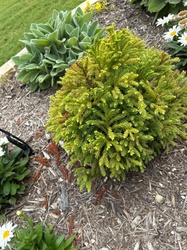
How to Care for Japanese Cedar
Grow Japanese Cedar (Cryptomeria japonica), an easy, elegant evergreen conifer with soft awl-like foliage and rich reddish bark.
Read the full Japanese Cedar encyclopedia entry →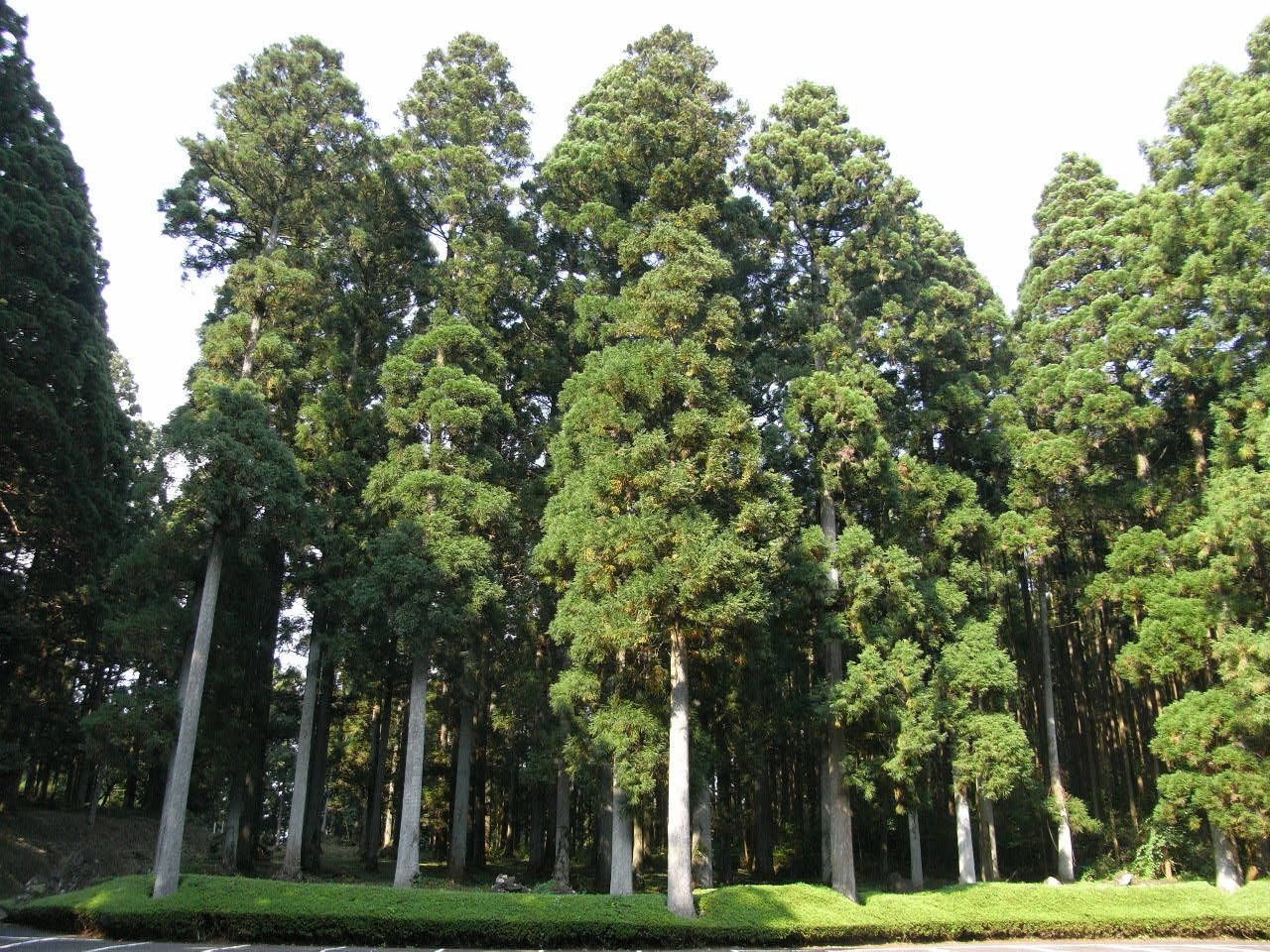
Japanese Cedar (Cryptomeria japonica) is a stately evergreen conifer with soft, awl-shaped needles arranged in feathery sprays and handsome fibrous, reddish-brown bark. It is an easy, adaptable tree - and, in dwarf cultivars, a fine specimen for smaller gardens and containers.
Light
Grow Japanese Cedar in full sun to part shade. Full sun gives the densest, most compact form; light shade is tolerated, especially in hotter climates, though growth is looser. Some cultivars bronze or purple in winter sun, which is a natural, attractive trait.
Water
Provide moderate, consistent moisture, particularly while young and during dry spells. Cryptomeria prefers soil that stays evenly moist and dislikes prolonged drought, which browns the foliage. Established trees in suitable climates need less supplemental water but still appreciate deep watering during extended dry periods. Avoid waterlogging.
Soil & Potting
Plant in deep, fertile, well-drained soil that holds moisture; slightly acidic soil is ideal. It performs poorly in thin, dry, or chalky ground. Mulch over the root zone to conserve moisture and moderate soil temperature. Dwarf forms grow well in large containers of a rich, free-draining conifer mix.
Humidity & Temperature
Japanese Cedar favors mild, moist, temperate climates and appreciates decent atmospheric humidity - it can suffer in hot, dry, exposed conditions. It is reasonably cold-hardy across temperate zones. Shelter from harsh, drying winter winds, which can scorch and brown the foliage.
Feeding
Feed young trees in early spring with a slow-release, balanced or conifer fertilizer to support steady growth. Mature specimens in decent soil need little feeding. Container-grown dwarfs benefit from a light spring feeding each year. Avoid heavy late-season feeding.
Propagation
Propagate the species from seed after a period of cold-moist stratification. Cultivars are grown from semi-hardwood cuttings taken in late summer to autumn and rooted under humid conditions; many dwarf and colored forms root readily this way, keeping their form true.
Repotting / Pruning
Japanese Cedar needs little pruning; remove dead or damaged wood and any browned interior foliage. It tolerates light shaping and is a classic subject for cloud-pruning (niwaki) and bonsai, responding well to careful trimming in the growing season. Repot container specimens every two to three years in spring, refreshing the mix and trimming roots.
Common Problems & Pests
Cryptomeria is generally robust. The most common cosmetic issue is winter foliage browning from cold, drying winds or drought stress. Leaf blight and twig fungal diseases can cause brown patches and dieback, especially on stressed or crowded plants - prune out affected growth and improve airflow. Occasional bagworms or spider mites may appear; monitor and treat if populations build. Good moisture and air movement prevent most problems.
Seasonal Care Tips
Plant in autumn or spring. Water consistently through the first seasons and during summer dry spells, and mulch to keep roots cool and moist. Expect some cultivars to bronze in winter sun - normal and reversible in spring. Shelter from harsh winter wind, and do any shaping or bonsai work during the active growing season.
Frequently asked questions
Why does my Japanese Cedar turn bronze or brown in winter?
Many Cryptomeria cultivars naturally bronze or purple in cold winter sun and green up again in spring - this is normal. Persistent brown from drying wind or drought, however, signals stress; shelter and water the tree.
Does Japanese Cedar need full sun?
It grows best in full sun, which gives the densest form, but tolerates part shade. In hot climates a little afternoon shade helps prevent stress.
How much water does Japanese Cedar need?
Keep the soil evenly and moderately moist, especially while young. It dislikes drought, which browns the foliage, so water deeply during dry spells and mulch the root zone.
Can Japanese Cedar be grown in a container or as bonsai?
Yes. Dwarf cultivars thrive in large containers of rich, free-draining mix, and Cryptomeria is a classic bonsai and cloud-pruning subject, responding well to careful trimming in the growing season.
Japanese Cedar identified by the community
Recent Japanese Cedar specimens identified with Plant Identifier.