Japanese Cedar
Cryptomeria japonica
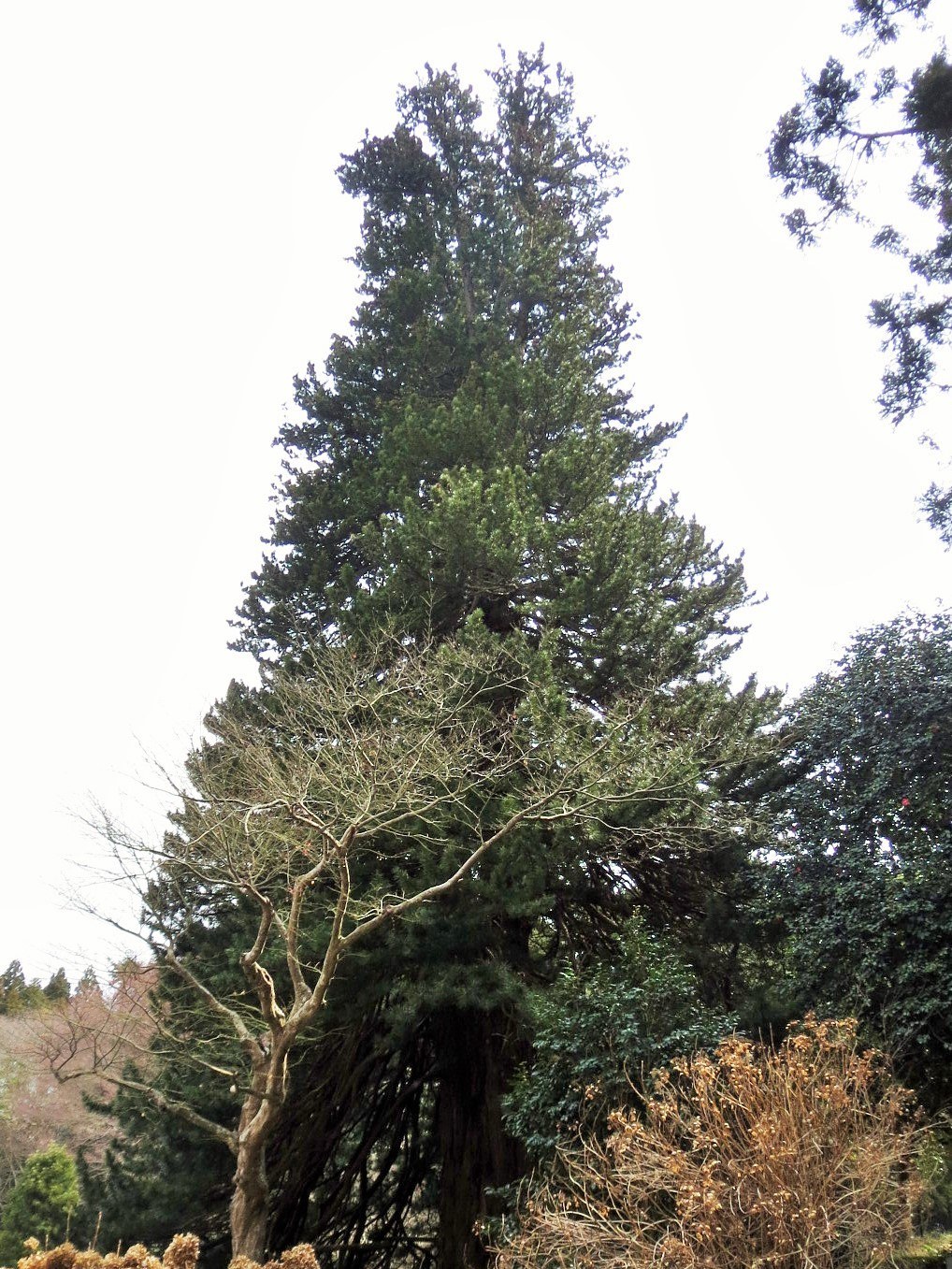
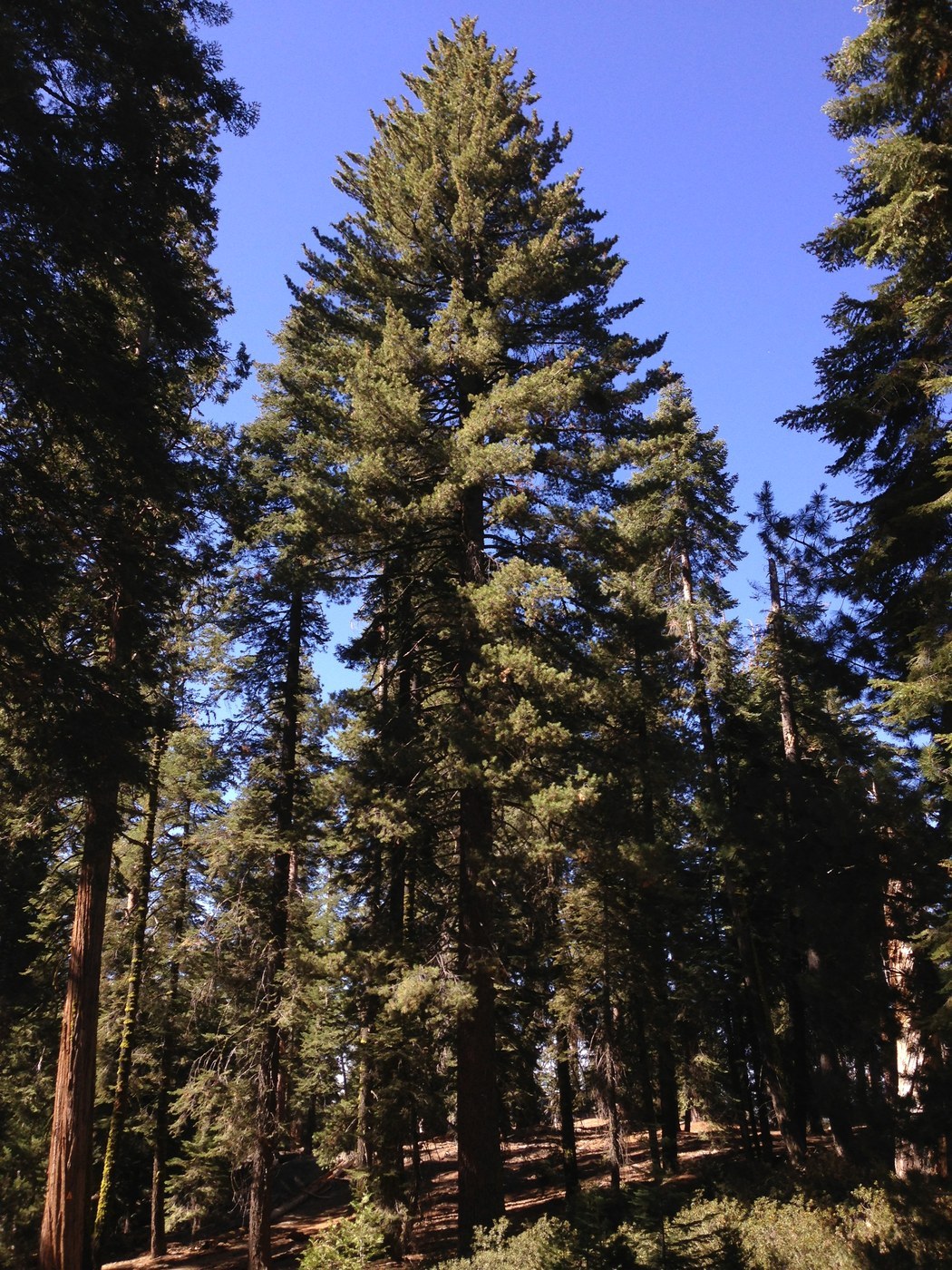
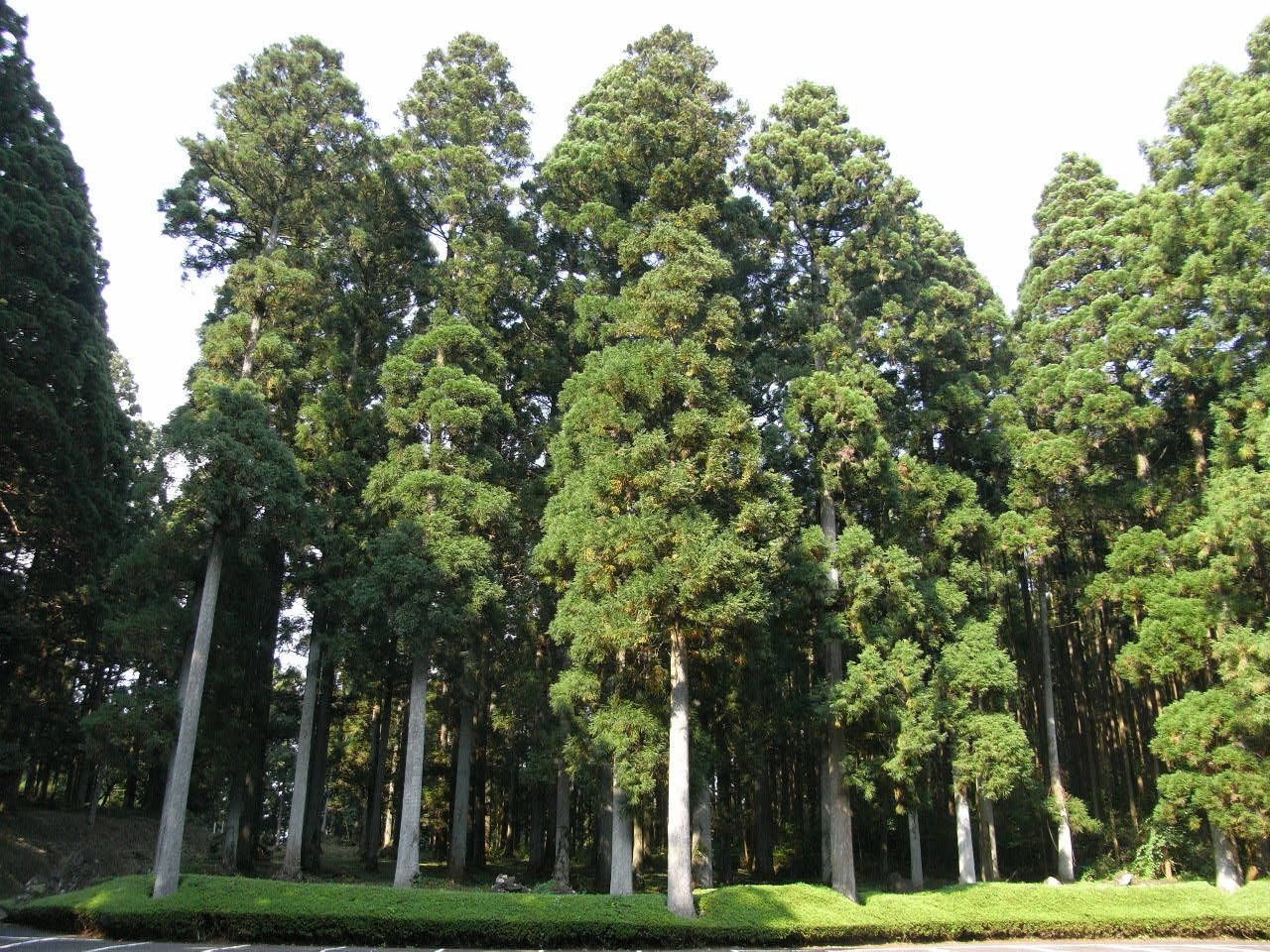
Japanese Cedar, or sugi, is a tall, fast-growing evergreen conifer native to Japan and the national tree of that country. It has soft, awl-shaped needles and reddish, fibrous, peeling bark.
- Light
- Full sun to part shade
- Water
- Moderate; consistent moisture
- Difficulty
- Easy
Got a plant like this?
Identify any plant from a photo, free.
Overview
Japanese Cedar (Cryptomeria japonica), known in Japan as sugi, is a large evergreen conifer and the national tree of Japan. It is the sole species in its genus and, despite the common name, is not a true cedar but a member of the cypress family.
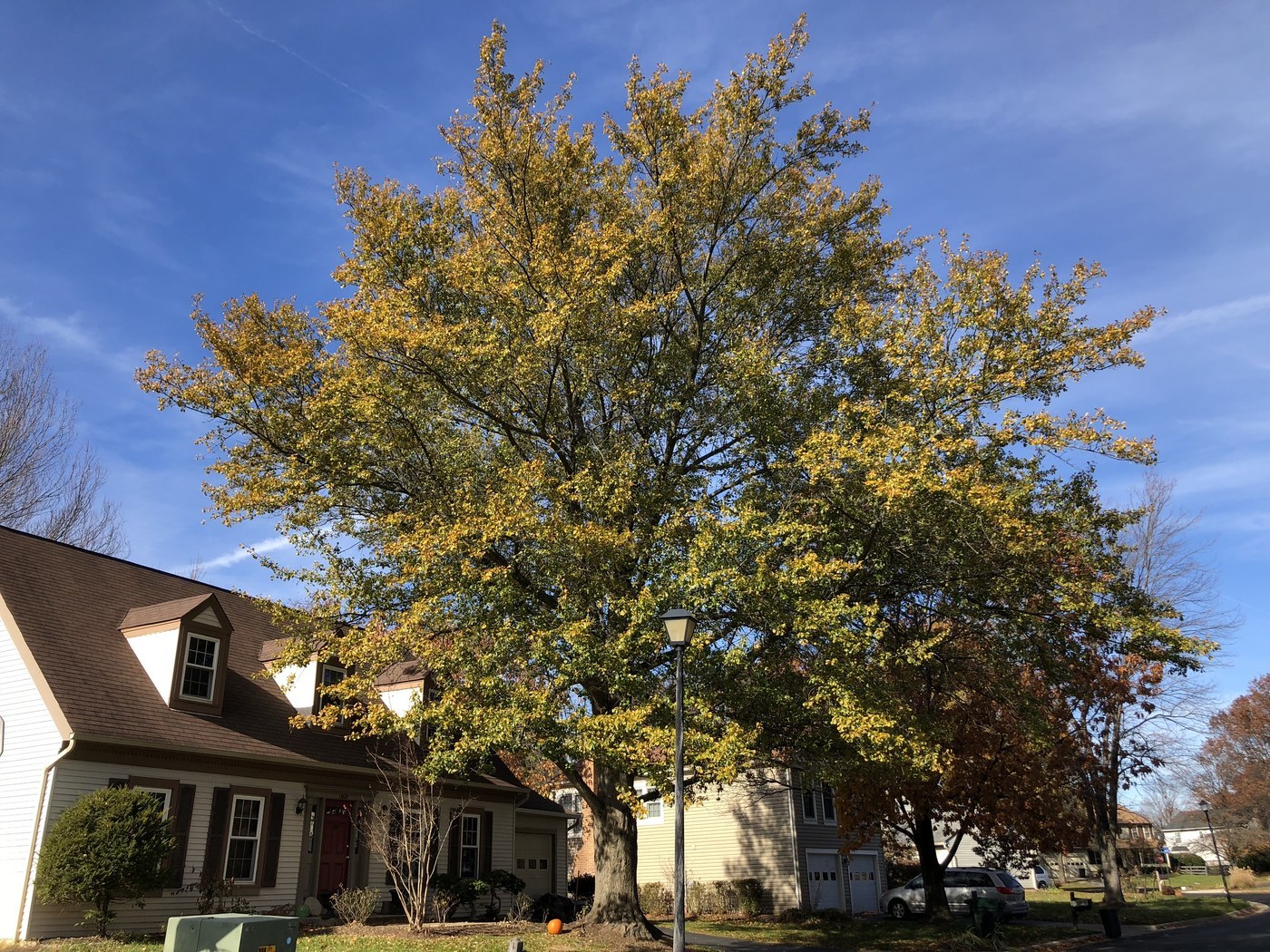
In the wild it forms tall, straight trees up to 150 feet or more, with a narrow conical crown and attractive reddish-brown peeling bark.
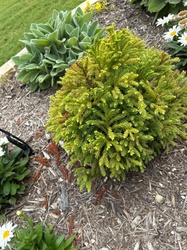
Many dwarf and globe cultivars, such as 'Globosa Nana,' are popular in gardens and bonsai, while the full-sized species is a major forestry and temple tree in Japan.
How to identify it
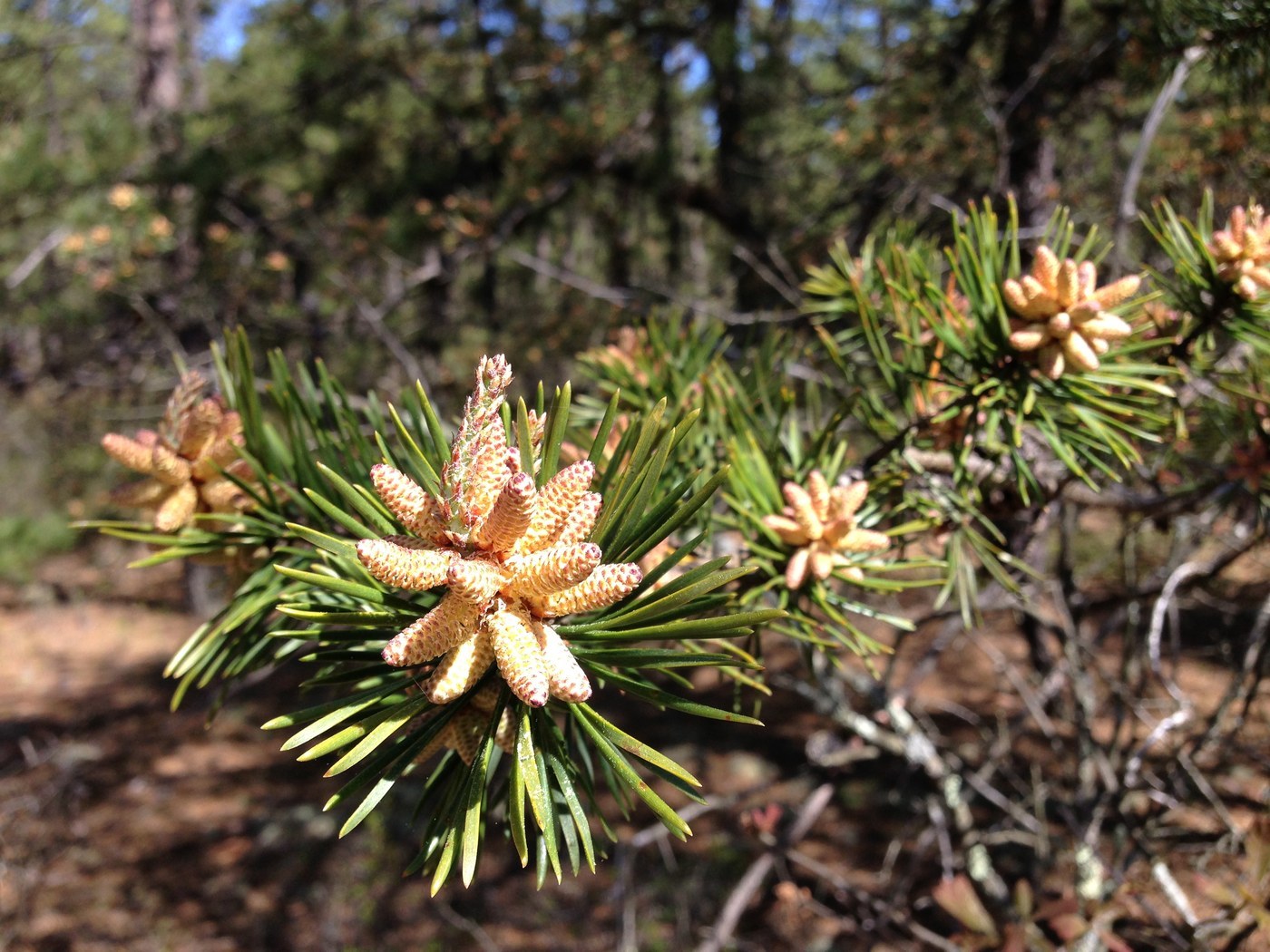
- Needles: Soft, awl-shaped (subulate) needles about 1/4 to 1 inch long, spirally arranged and curving forward along the shoots, bright to bluish green
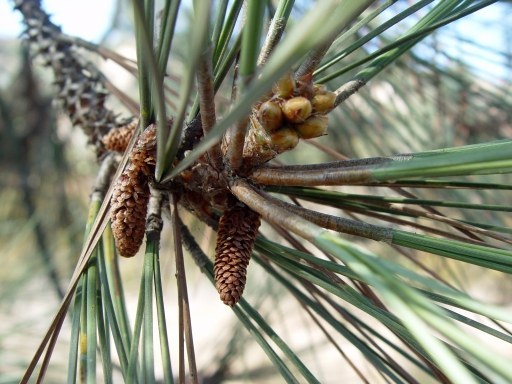
- Cones: Small, round, woody cones about 1 inch wide with spiny-tipped scales
- Bark: Reddish-brown, soft, fibrous, peeling in vertical strips
- Habit: Tall, narrow conical to columnar evergreen; many compact garden cultivars
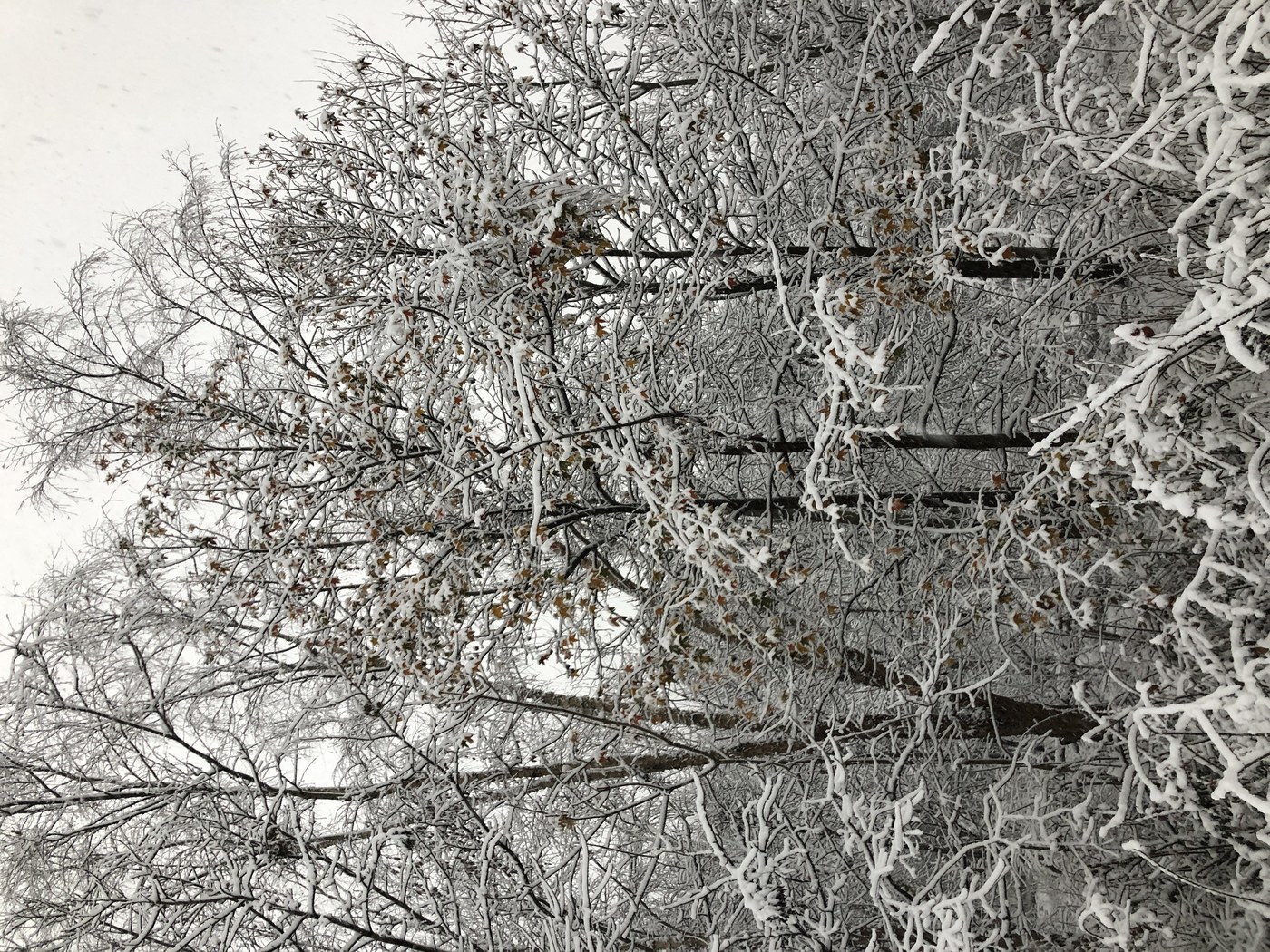
- Winter color: Some forms bronze or take on a purplish tint in cold weather
Care & growing
Adaptable and easy in temperate climates with reliable moisture.
- Light: Full sun to part shade
- Water: Keep soil consistently moist; dislikes prolonged drought
- Soil: Deep, fertile, moist, slightly acidic, well-drained soil
- Temperature: Hardy in USDA zones 6 to 9; appreciates humidity and shelter from harsh wind
- Feeding: Light spring feeding supports lush growth
- Propagation: From cuttings (easy) or seed
Winter bronzing of the foliage is normal in many forms and greens up again in spring.
Habitat & origin
Japanese Cedar is native to Japan, where it grows in moist mountain forests, and is also found naturalized and cultivated in parts of China. It thrives in cool, humid temperate climates with ample rainfall.
It is extensively planted for forestry and around shrines and temples in Japan, and is grown ornamentally throughout temperate gardens worldwide.
Frequently asked questions
Is Japanese Cedar a true cedar?
No. Despite its name it is not a true cedar (Cedrus); it is the only species in the genus Cryptomeria, in the cypress family.
Why does my Japanese Cedar turn bronze in winter?
Many cultivars naturally bronze or take on a purplish hue in cold weather; this is normal and the foliage greens up again with spring warmth.
How big does sugi get?
The wild species can exceed 150 feet tall, but many garden cultivars are dwarf or globe-shaped and stay just a few feet.
Is Japanese Cedar good for bonsai?
Yes. Its small soft needles, attractive bark, and tolerance of pruning make compact cultivars popular subjects for bonsai.
Japanese Cedar guides
In-depth guides for identifying, growing, and caring for Japanese Cedar.
How to Care for Japanese Cedar
Grow Japanese Cedar (Cryptomeria japonica), an easy, elegant evergreen conifer with soft awl-like foliage and rich reddish bark.
Japanese Cedar Identification Guide
Identify Japanese Cedar (Cryptomeria japonica) by its soft awl-shaped needles spiraling around the twigs, reddish stringy bark, and small spiky round cones.
Japanese Cedar identified by the community
Real specimens identified with Plant Identifier.