How to Care for Japanese Maple
Grow Japanese Maple (Acer palmatum), the elegant ornamental tree with brilliant foliage, using this full guide to light, water, soil and pruning.
Read the full Japanese Maple encyclopedia entry →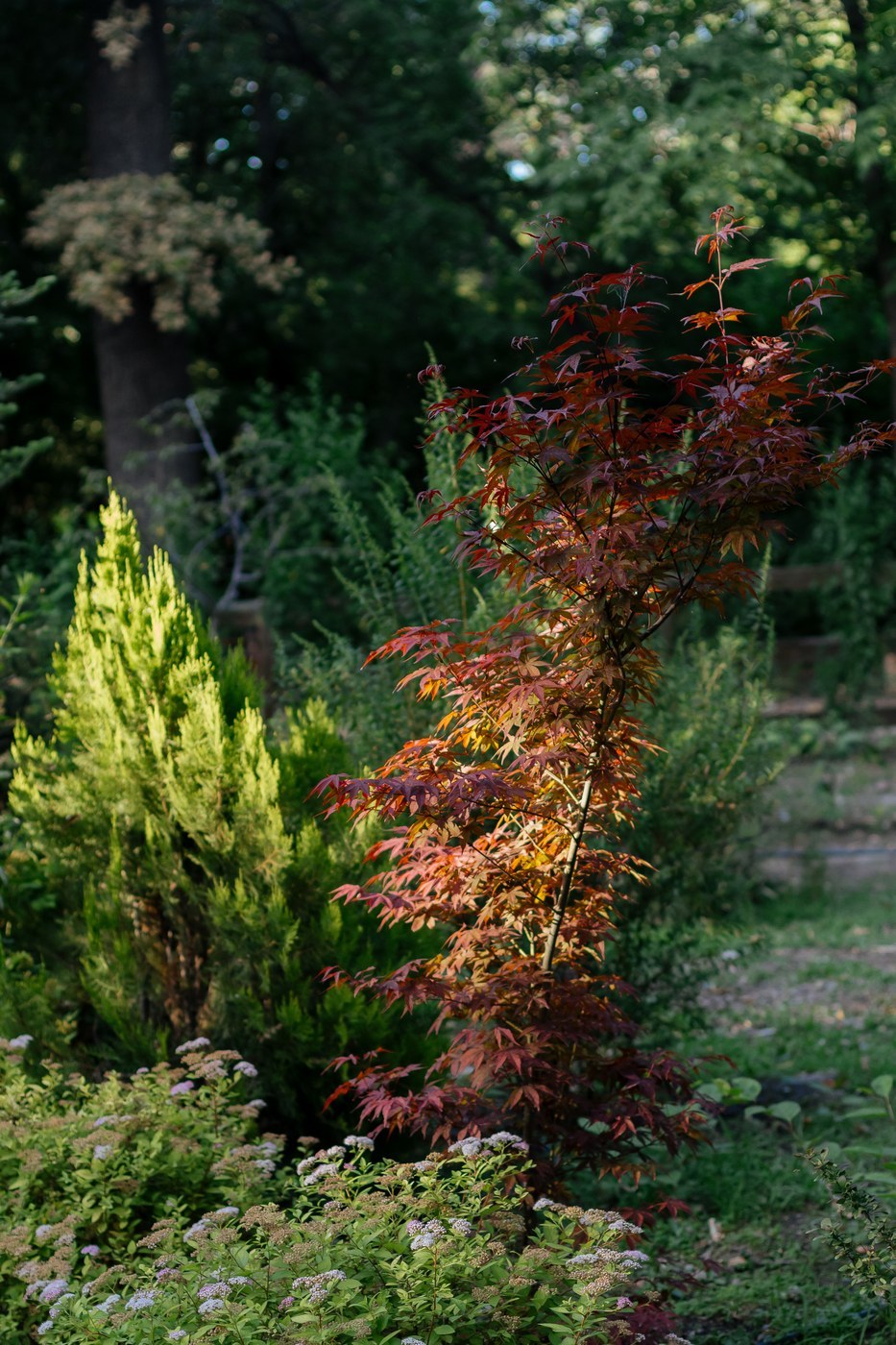
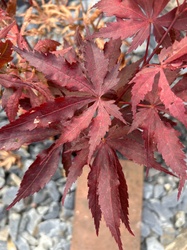
Japanese Maple (Acer palmatum) is a refined, slow-growing ornamental tree treasured for its delicate palm-shaped leaves, graceful branching, and spectacular seasonal color that ranges from spring reds and greens to fiery autumn crimson and orange. It rewards a little care with year-round beauty and is a centerpiece of many gardens.
Light
Japanese maple prefers part shade to filtered sun. Morning sun with afternoon shade is ideal, especially for the fine-leaved and red-leaved cultivars, whose foliage can scorch in hot, direct afternoon light. Dappled light under taller trees mimics its native woodland-edge conditions. Too much deep shade, however, mutes leaf color and thins the canopy.
Water
Water regularly to keep the soil moist but well-drained. Japanese maples have shallow, fibrous roots that dislike both drought and standing water. During hot, dry spells, water deeply and mulch to keep the root zone cool and evenly moist. Container specimens dry out faster and need closer attention. Avoid letting the soil swing between bone-dry and saturated.
Soil & Potting
Plant in rich, well-drained soil with plenty of organic matter and a slightly acidic pH. Good drainage is essential, as heavy wet soil leads to root problems. For containers, use a quality potting mix amended for drainage, and choose a pot only modestly larger than the root ball. A permanent, sheltered site suits in-ground trees best.
Humidity & Temperature
Japanese maple is hardy roughly in USDA zones 5 through 8. It appreciates moderate humidity and shelter from harsh, drying winds, which can desiccate the delicate leaves. Protect it from late spring frosts, which can damage tender new growth, and from intense reflected heat near walls and pavement.
Feeding
Feed lightly. Japanese maples are sensitive to over-fertilizing, which forces weak, leggy growth and can burn the roots. Apply a small amount of balanced, slow-release fertilizer in early spring, or simply top-dress with compost. Avoid feeding late in the season, since soft new growth is vulnerable to frost.
Propagation
Named cultivars are usually propagated by grafting onto seedling rootstock, which preserves their color and form. Species types can be grown from seed after cold stratification, though seedlings vary. Softwood cuttings are possible but notoriously difficult to root. Most gardeners buy grafted nursery plants.
Repotting / Pruning
Repot container maples every two to three years in late winter while dormant, refreshing the soil and lightly trimming circling roots. Prune sparingly in late fall or winter when the tree is dormant to reveal its elegant structure; remove dead, crossing, or crowded branches and avoid heavy cuts. The natural layered form is best preserved with light, thoughtful pruning rather than shearing.
Common Problems & Pests
Leaf scorch, showing as brown, crispy leaf edges, is the most frequent issue and results from too much sun, wind, or dry soil. Aphids, scale, and mites may appear and can be managed with insecticidal soap. Verticillium wilt and various cankers can affect stressed trees, so keep the tree healthy and avoid wounding the bark. Good drainage prevents root rot.
Seasonal Care Tips
In spring, watch for late frosts on tender new leaves and feed lightly as growth begins. Through summer, keep the soil evenly moist and mulched, and shield from harsh afternoon sun. In fall, enjoy the color show and do any structural pruning after leaves drop. In winter, protect containerized trees from freezing roots and shelter the plant from cold drying winds.
Frequently asked questions
Why are my Japanese maple's leaves turning brown and crispy?
This is usually leaf scorch, caused by too much direct sun, drying wind, or dry soil. Move or shade the tree from harsh afternoon light, keep the soil evenly moist, and mulch to cool the roots.
How much sun does a Japanese maple need?
It prefers part shade to filtered sun, ideally morning sun with afternoon shade. Fine-leaved and red cultivars are especially prone to scorch in full afternoon sun.
When should I prune a Japanese maple?
Prune lightly in late fall or winter while the tree is dormant. Remove dead, crossing, or crowded branches to reveal its graceful structure, and avoid heavy cuts that spoil the natural form.
Can I grow a Japanese maple in a container?
Yes, many cultivars grow well in pots. Use well-draining mix, water more often since pots dry quickly, protect the roots from freezing in winter, and repot every two to three years while dormant.
Japanese Maple identified by the community
Recent Japanese Maple specimens identified with Plant Identifier.