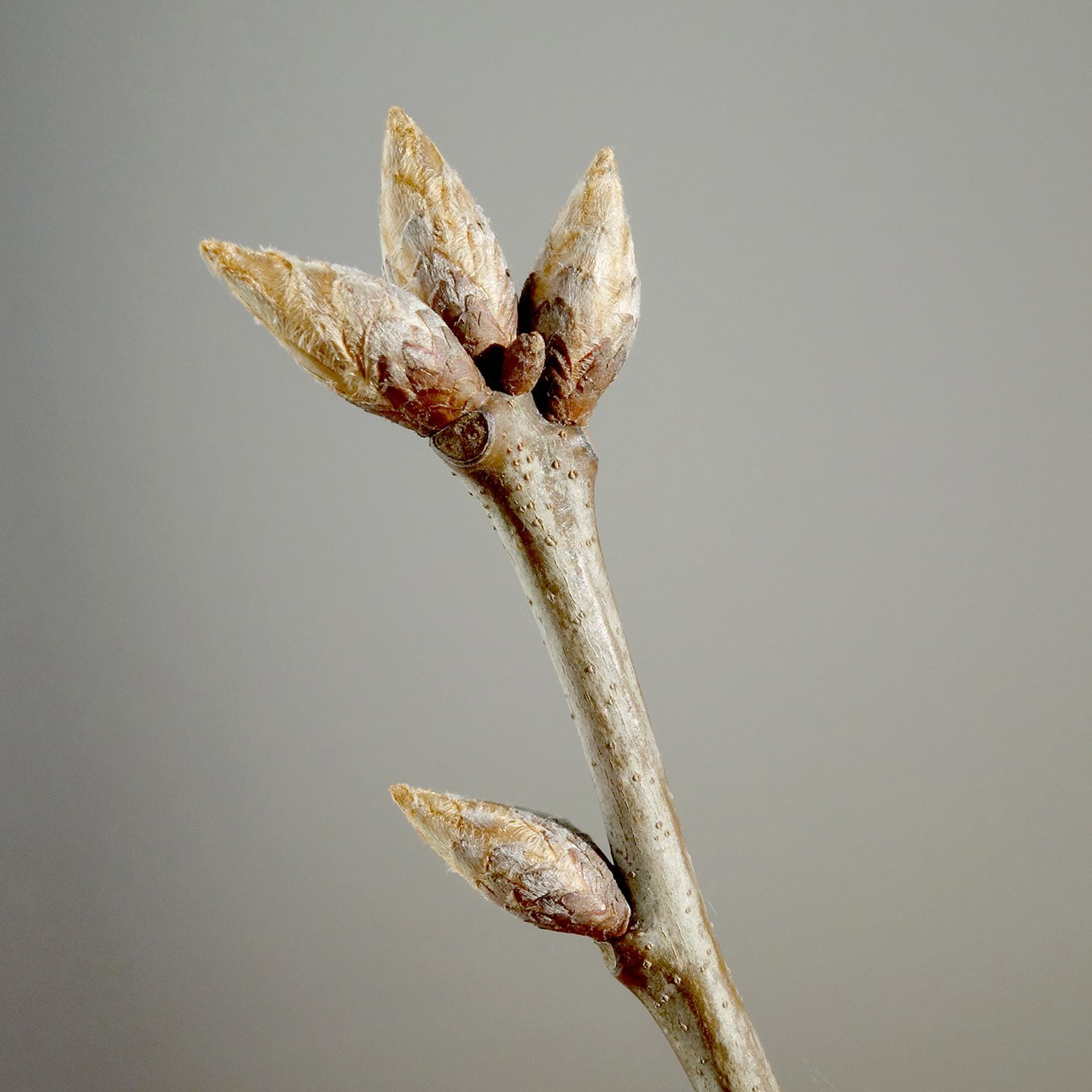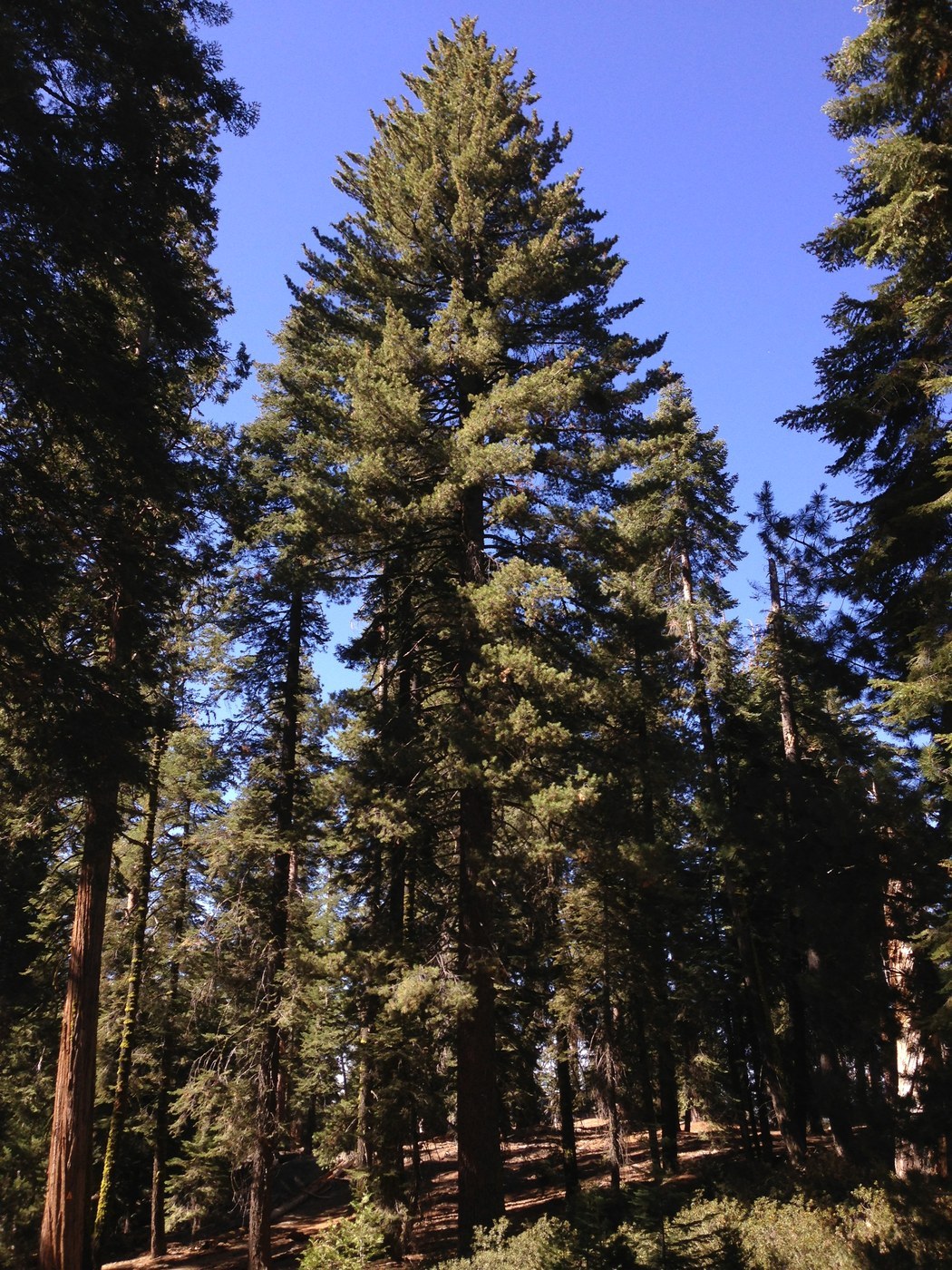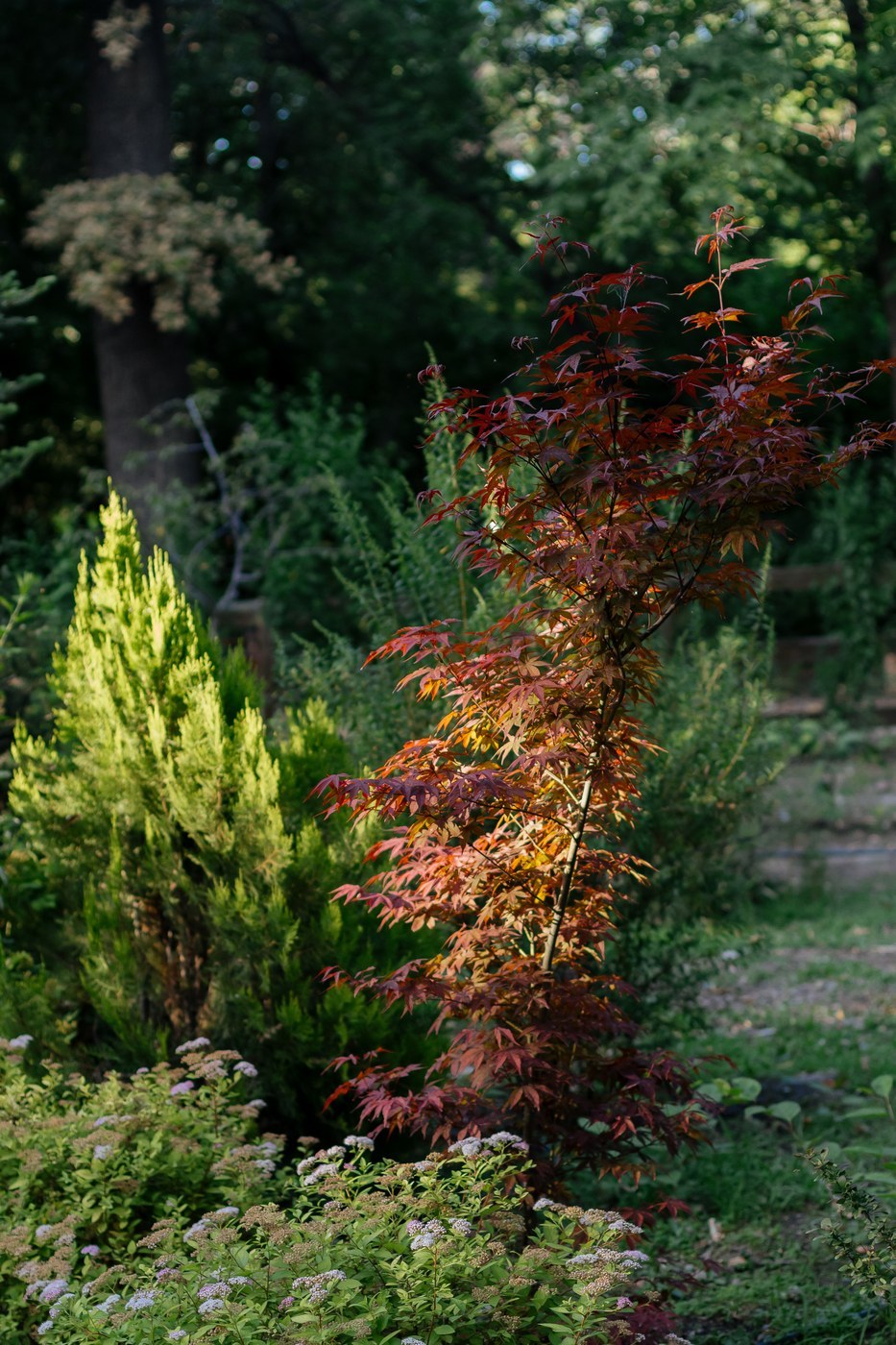
Japanese Maple
Acer palmatum
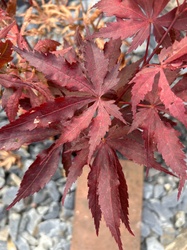
A small, elegant ornamental tree prized for delicate, deeply lobed leaves in shades of red, green and purple, and spectacular fall color. A centerpiece of Japanese gardens.
- Light
- Part shade to filtered sun
- Water
- Regular; moist well-drained soil
- Difficulty
- Moderate
Got a plant like this?
Identify any plant from a photo, free.
Overview
Japanese maple is a small deciduous tree or large shrub renowned for its refined form and the extraordinary variety of leaf shapes and colors found among its hundreds of cultivars.
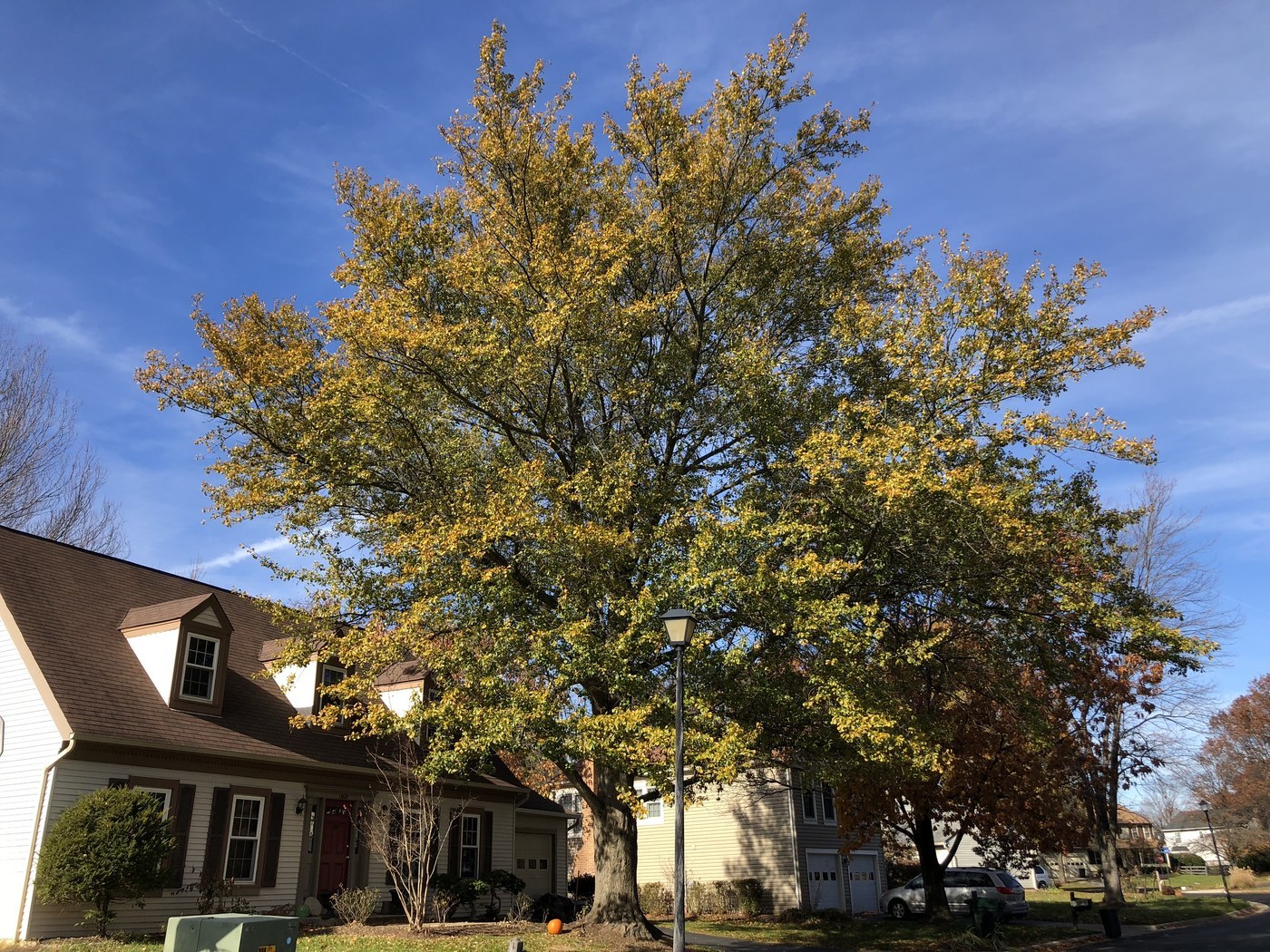
Leaves may be green, red, purple, orange or variegated through the season, often igniting into brilliant scarlet, crimson or gold in autumn. Habits range from upright and vase-shaped to low, cascading mounds.
Long central to Japanese garden tradition, it is now one of the world's most beloved ornamental trees for patios, courtyards and containers.
How to identify it
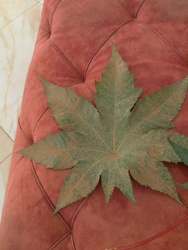
- Leaves: opposite, palmate with 5-9 (sometimes 7) pointed lobes; 'dissectum' types are finely cut and lacy
- Color: green, red, purple or variegated depending on cultivar, usually with vivid red/orange/gold fall color
- Flowers: small reddish-purple clusters in spring, followed by paired winged samaras
- Size: typically 6-25 ft tall depending on cultivar; many stay under 10 ft
- Habit: rounded, layered, vase-shaped or weeping/cascading
Care & growing
- Light: dappled shade or morning sun with afternoon protection; harsh sun scorches the delicate leaves
- Water: keep evenly moist; avoid both drought and waterlogging
- Soil: rich, well-drained, slightly acidic soil; mulch to keep roots cool
- Temperature: hardy in USDA zones 5-8; shelter from drying winds and late frost
- Feeding: light feeding in spring; avoid heavy nitrogen
- Propagation: species from seed; named cultivars by grafting or, for some, cuttings
Habitat & origin
Native to Japan, Korea and parts of China, where it grows as an understory tree in cool, moist woodlands.
Its natural preference for filtered light and protected, humid conditions guides its garden care. Today it is cultivated worldwide in temperate gardens, bonsai collections and containers.
Frequently asked questions
Why are my Japanese maple's leaves scorching?
Leaf scorch usually comes from too much direct sun, drying wind or insufficient water. Move it to dappled shade and keep the soil evenly moist and mulched.
How big do Japanese maples get?
It depends heavily on the cultivar—dwarf laceleaf types stay 3-6 feet, while upright forms can reach 20-25 feet over many years.
Can I grow one in a pot?
Yes. Many compact cultivars do very well in containers; use well-drained soil, water consistently, and protect the pot from hard freezes.
Why are there two colors on my tree?
Some cultivars naturally shift color through the season, and grafted trees can occasionally throw green shoots from the rootstock, which should be pruned out.
Japanese Maple guides
In-depth guides for identifying, growing, and caring for Japanese Maple.
How to Care for Japanese Maple
Grow Japanese Maple (Acer palmatum), the elegant ornamental tree with brilliant foliage, using this full guide to light, water, soil and pruning.
Japanese Maple Identification Guide
How to identify Japanese maple (Acer palmatum) by its delicate, deeply lobed palmate leaves, small size, and brilliant red foliage.
Japanese Maple identified by the community
Real specimens identified with Plant Identifier.