
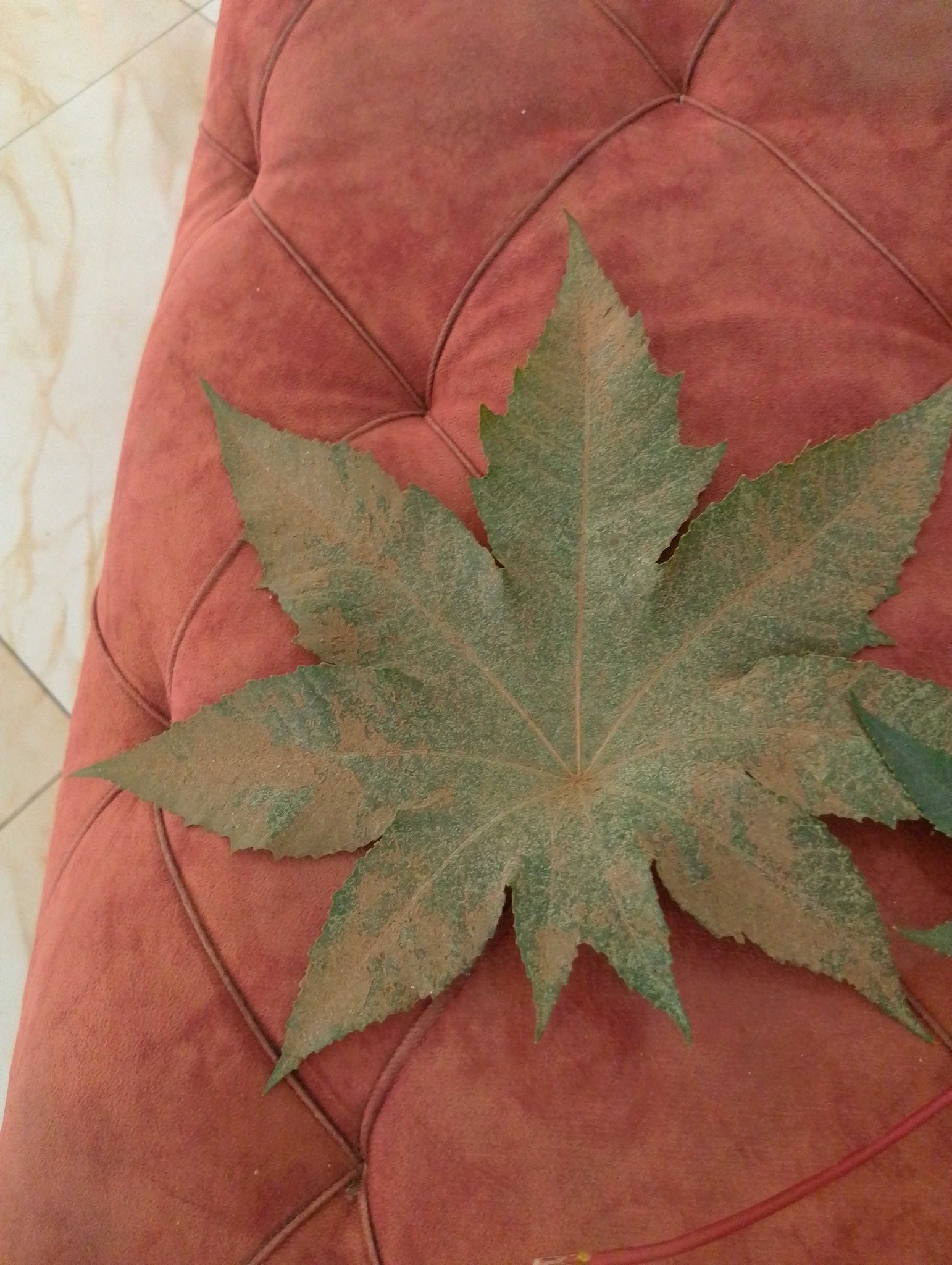
Japanese Maple
Acer palmatum
A deciduous shrub or small tree known for its deeply lobed, star-shaped leaves with serrated margins and vibrant seasonal coloration.
- Light
- Partial shade or filtered sunlight for 4 to 6 hours daily, protecting from harsh afternoon sun.
- Water
- Keep soil moderately moist. Water deeply when the top inch of soil becomes dry. Avoid prolonged drought or waterlogged conditions.
- Growth
- Perennial woody deciduous tree or large shrub with a rounded or vase-shaped crown, reaching mature heights of 15 to 25 feet with a moderate growth rate.
Care instructions
Provide bright indirect or morning sunlight, water consistently to maintain evenly moist soil, and use well-draining acidic to neutral soil enriched with organic matter.
Growing details
Sunlight
Partial shade or filtered sunlight for 4 to 6 hours daily, protecting from harsh afternoon sun.
Watering
Keep soil moderately moist. Water deeply when the top inch of soil becomes dry. Avoid prolonged drought or waterlogged conditions.
Soil
Well-draining, loamy to sandy soil rich in organic matter, with an optimal pH range between 5.5 and 6.5.
Hardiness zone
USDA zones 5 through 8
Growth habit
Perennial woody deciduous tree or large shrub with a rounded or vase-shaped crown, reaching mature heights of 15 to 25 feet with a moderate growth rate.
Bloom season
Spring; produces small, inconspicuous reddish-purple flowers in clusters.
Propagation
Propagated primarily through softwood cuttings taken in late spring or by grafting in late winter, as well as by seed stratification.
Common pests & issues
Susceptible to verticillium wilt, leaf scorch from intense sun or wind, and occasional infestations by aphids or scale insects.
Similar species
Fullmoon maple (Acer japonicum), which features more numerous and shallower lobes compared to the deeply divided lobes of Acer palmatum.