
How to Care for Japanese Yew
Grow Japanese Yew (Taxus cuspidata): a slow, shade-tolerant evergreen shrub with dark needles, ideal for hedges, foundations, and topiary.
Read the full Japanese Yew encyclopedia entry →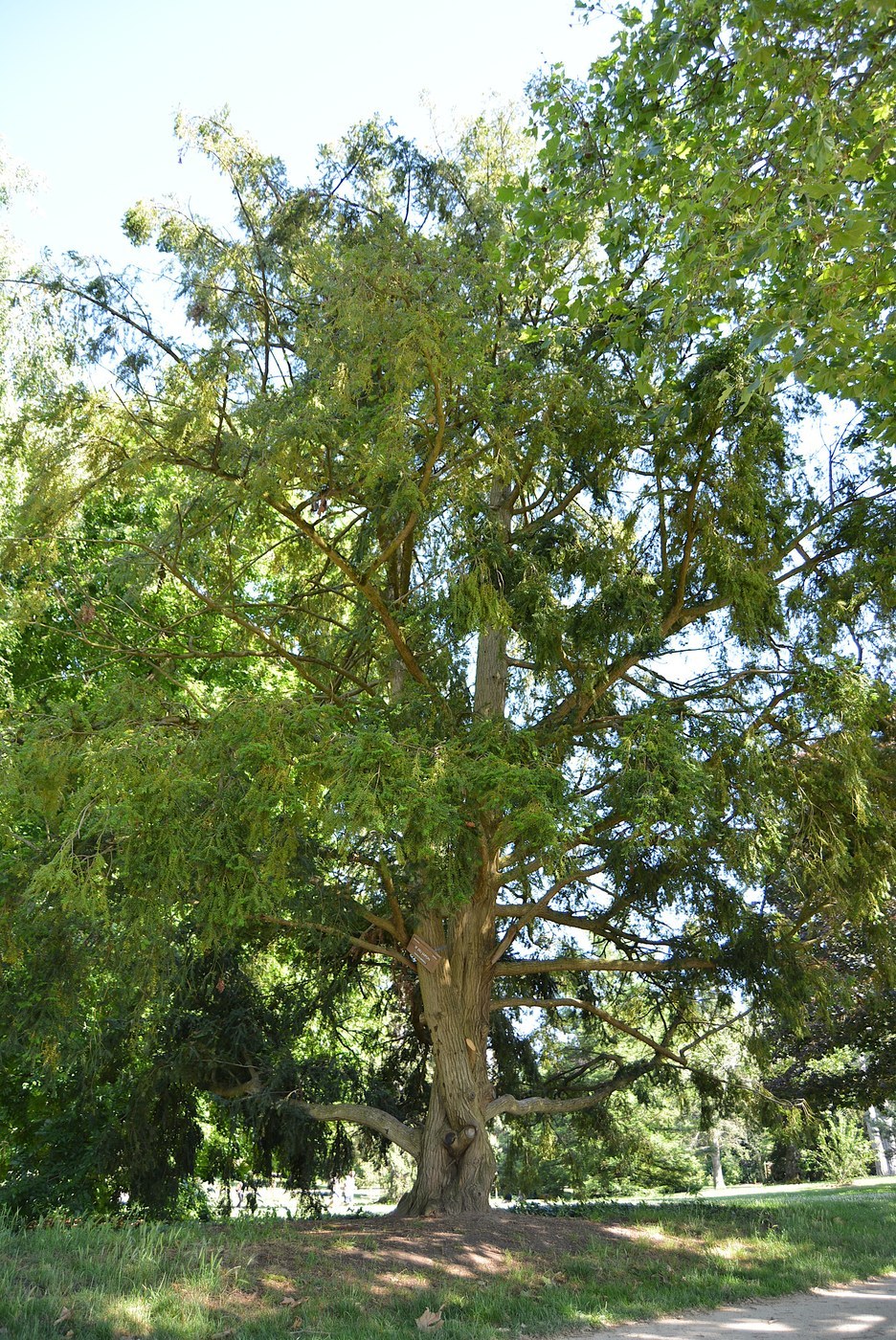
Japanese Yew (Taxus cuspidata) is a slow-growing, long-lived evergreen conifer with dense, dark green needles that make it one of the most versatile shrubs for hedging, foundation planting, and shearing into formal shapes. Its remarkable tolerance of both deep shade and full sun, combined with an easygoing nature, makes it a landscape workhorse.
Light
Japanese Yew is prized for adapting to nearly any light, from full sun to full shade. It grows densely in sun and remains admirably full even in shade where most conifers would thin out, which is why it is a go-to plant for the shaded north side of buildings. In the hottest climates, some afternoon protection prevents needle scorch.
Water
Provide moderate, even moisture, especially while establishing. The single most important requirement is well-drained soil; yews will not tolerate soggy or waterlogged ground and are quick to develop root rot in it. Once established they handle short dry spells, but deep, occasional watering during drought and before winter keeps them healthy. Never let them sit in standing water.
Soil & Potting
Well-drained soil is non-negotiable. Yew tolerates a range of soil types and pH but insists on good drainage; heavy, wet clay is its chief enemy. Improve compacted or poorly draining beds with organic matter and, where needed, plant slightly high. A layer of mulch conserves moisture and moderates soil temperature over the shallow root zone.
Humidity & Temperature
Japanese Yew is notably cold hardy and among the toughest of yews for harsh winters. It handles a wide range of humidity. In exposed sites, drying winter winds and sun can bronze or scorch the foliage, so a sheltered position or a winter windbreak helps evergreen needles come through the cold season looking their best.
Feeding
Yews are light feeders. An application of balanced or slow-release fertilizer in early spring supports steady growth, but avoid overfeeding, which forces soft growth and can worsen winter burn. Improving the soil with compost and maintaining mulch usually provides much of what the plant needs.
Propagation
Japanese Yew is commonly propagated from semi-hardwood cuttings taken in late summer through fall. Treat the cuttings with rooting hormone and set them in a moist, well-drained rooting medium; they root slowly but reliably over the following months. Growing from seed is possible but very slow and mainly used for producing new stock in quantity.
Repotting / Pruning
One of the yew's greatest virtues is that it responds beautifully to pruning and, unlike most conifers, will resprout even from old, leafless wood. This allows hard renewal cuts on overgrown plants. Shear formal hedges and topiary in late spring after the new flush, with a lighter touch-up in summer. For container specimens, repot or root-prune every few years as growth is slow.
Common Problems & Pests
The overwhelming cause of yew decline is wet feet leading to root rot, so drainage is the first thing to check on a failing plant. Vine weevil grubs can damage roots, and scale or mealybugs occasionally appear. Winter burn shows as bronzed or browned needles on exposed sides. Deer may browse the foliage in some areas. Correct drainage and site exposure to solve most issues.
Seasonal Care Tips
Plant in spring or early fall. Feed lightly in early spring and complete major shearing after the spring growth flush. Water deeply through summer dry spells and give a thorough soaking in late fall before the ground freezes to reduce winter desiccation. In cold, windy regions, shelter or screen young plants over winter to prevent foliage burn.
Frequently asked questions
Can Japanese Yew grow in full shade?
Yes, and this is one of its best traits. It stays dense and green in deep shade where most evergreens thin out, making it ideal for shaded foundations and north-facing sites, while also thriving in full sun.
Can I cut back an overgrown yew hard?
Yes. Unlike most conifers, yew resprouts readily from old, bare wood, so overgrown plants can be renewed with hard pruning. Make major cuts in spring and the plant will push fresh growth from the older branches.
Why is my yew turning brown?
The two usual causes are root rot from wet, poorly drained soil and winter burn from drying wind and sun. Check drainage first; if the site stays soggy, improve it or move the plant. Provide winter shelter in exposed spots.
When should I shear a yew hedge?
Shear after the main spring growth flush, then give a light touch-up in summer if needed. Its slow growth means it holds a crisp shape well between trims.