
How to Care for Jelly Bean Plant
Grow the colorful Jelly Bean Plant (Sedum rubrotinctum) with full sun, gritty soil, and infrequent watering in this easy succulent care guide.
Read the full Jelly Bean Plant encyclopedia entry →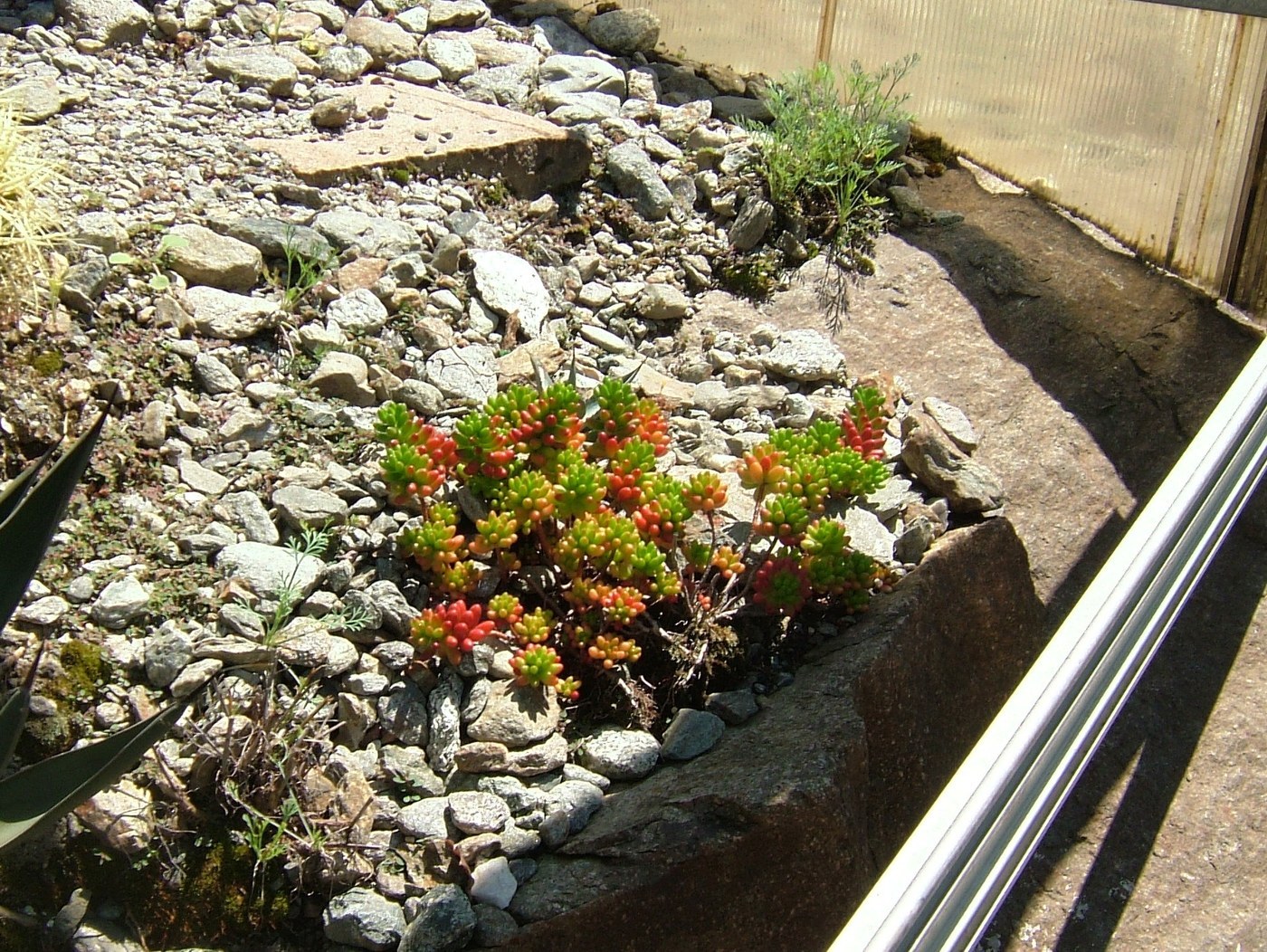
The Jelly Bean Plant (Sedum rubrotinctum) is a charming, easy-going succulent with plump, bean-shaped leaves that blush from green to fiery red when grown in bright light. It is one of the most beginner-friendly succulents, asking mainly for sun and sharp drainage.
Light
Give Jelly Bean Plant as much light as possible: full sun to very bright light. Outdoors it loves several hours of direct sun, and indoors it wants your brightest windowsill, ideally south- or west-facing. Strong light is what turns the leaves their signature ruby-red at the tips; in low light the beans stay plain green, the stems stretch, and the plant grows leggy and loose. If light is limited, supplement with a grow light.
Water
Water infrequently and let the soil dry out between waterings. This succulent stores water in its fat leaves and rots easily if kept damp. Soak the soil thoroughly, then wait until it is completely dry before watering again, roughly every 1-2 weeks in warm weather and much less in winter. Wrinkled, soft beans mean it is thirsty, while translucent, mushy, dropping beans mean too much water. When in doubt, wait.
Soil & Potting
Plant in a gritty, fast-draining cactus and succulent mix, amended with plenty of perlite, pumice, or coarse sand. Excellent drainage is essential. Use a pot with drainage holes; terracotta is ideal because it wicks moisture away and dries the soil faster. The individual beans detach easily, so handle the plant gently when potting.
Humidity & Temperature
Jelly Bean Plant prefers warm, dry conditions and average-to-low humidity; no misting is needed. It is comfortable from about 60-85 degrees F (15-29 C) and should be protected from frost, staying above roughly 40 degrees F (4 C). Bring outdoor plants inside before the first frost. A period of cooler nights combined with strong light deepens the red coloring.
Feeding
Feed sparingly. A diluted succulent or balanced fertilizer at half strength once or twice during the spring and summer growing season is plenty. Do not fertilize in winter. Too much feeding produces soft, weak, overly green growth at the expense of color and compactness.
Propagation
Jelly Bean Plant is extremely easy to propagate. Individual beans that fall off will often root on their own where they land. To propagate deliberately, gently twist off plump leaves or take stem cuttings, let the cut ends callus over for a day or two, then set them on top of dry succulent mix. Roots and tiny new plantlets form within a couple of weeks; begin light watering once roots appear.
Repotting / Pruning
Repot every couple of years or when the plant outgrows its container, using fresh gritty mix in spring. Because leaves drop readily, work carefully. Prune leggy or stretched stems to keep the plant compact; the trimmed pieces can be replanted as cuttings. Removing the growing tips encourages branching and a bushier shape.
Common Problems & Pests
Overwatering and poor drainage leading to root rot are the main threats, shown by mushy, translucent, or dropping beans. Leggy, all-green growth signals insufficient light. Sunburn can scorch leaves if a plant is moved into intense direct sun too abruptly, so acclimate it gradually. Watch for mealybugs and aphids; treat with insecticidal soap or a cotton swab dipped in rubbing alcohol. Dropped leaves are normal to some degree and are actually a propagation bonus.
Seasonal Care Tips
Growth is most active in the cooler, brighter parts of spring and fall, with many Sedums slowing in intense summer heat and in winter. Water more attentively during active growth and keep it nearly dry through the cold months to prevent rot. Maximize sun exposure and allow cool nights in fall to bring out the deepest red tones.
Frequently asked questions
Why is my Jelly Bean Plant green instead of red?
The red tips develop only in strong light. If your beans are staying plain green and the stems are stretching, the plant needs much brighter conditions, ideally full sun or a very bright windowsill, or a grow light.
How often should I water a Jelly Bean Plant?
Water only when the soil is completely dry, roughly every 1-2 weeks in warm weather and far less in winter. Soak thoroughly, then let it dry out fully. Wrinkled beans mean thirst; mushy beans mean overwatering.
Why are the beans falling off my Jelly Bean Plant?
Some leaf drop is normal because the beans detach easily when touched. Excessive dropping of mushy, translucent beans points to overwatering. Fallen plump beans will often root on their own to make new plants.
What kind of soil does a Jelly Bean Plant need?
A gritty, fast-draining cactus and succulent mix with extra perlite, pumice, or coarse sand, in a pot with drainage holes. Sharp drainage is the key to preventing rot.