Jelly Bean Plant
Sedum rubrotinctum
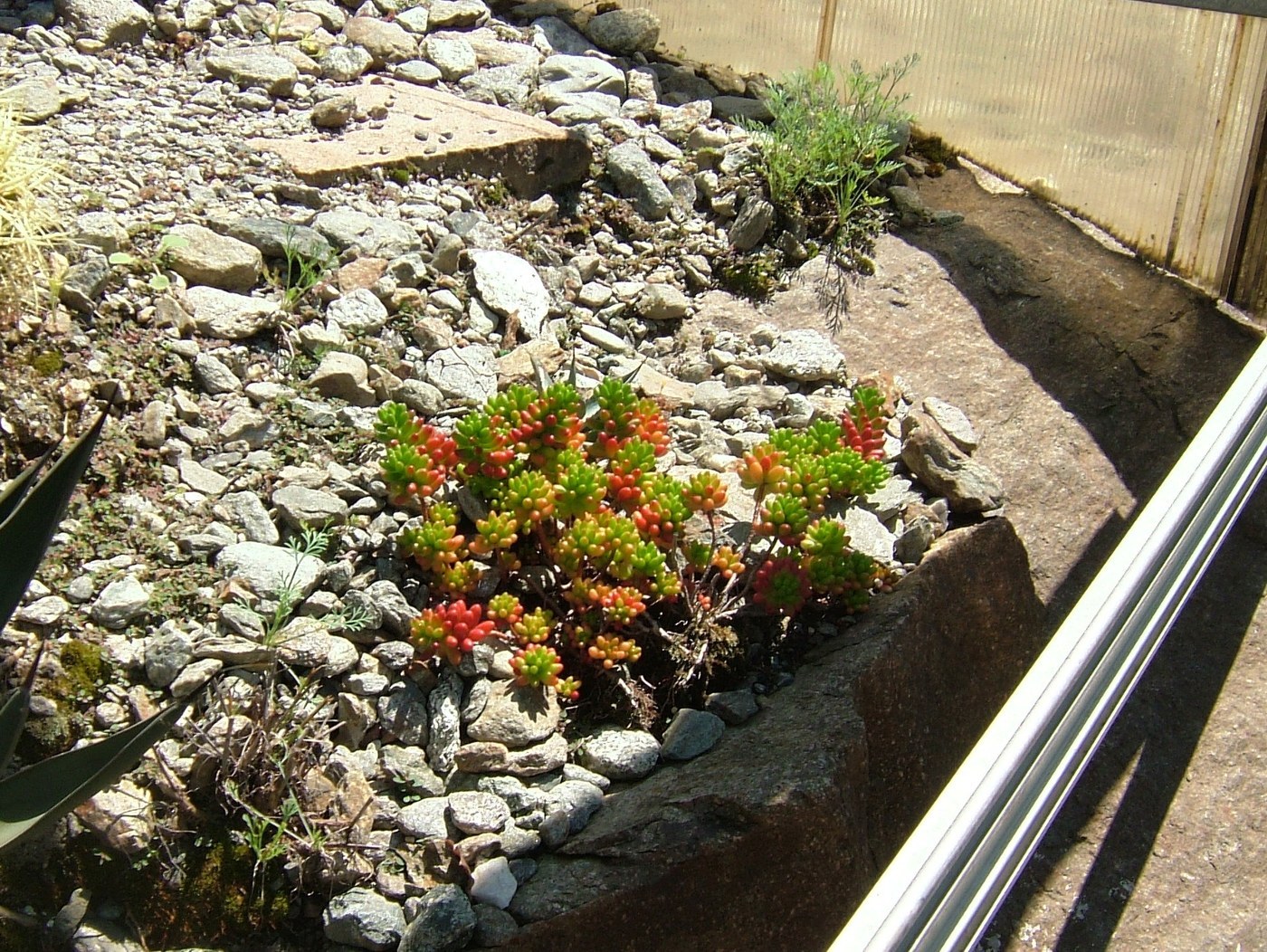
The jelly bean plant is a small, easygoing sedum with plump, bean-shaped leaves that turn from green to bright red at the tips when grown in full sun. It is fast-spreading and very simple to propagate.
- Light
- Full sun to bright light
- Water
- Infrequent; let soil dry
- Difficulty
- Easy
Got a plant like this?
Identify any plant from a photo, free.
Overview
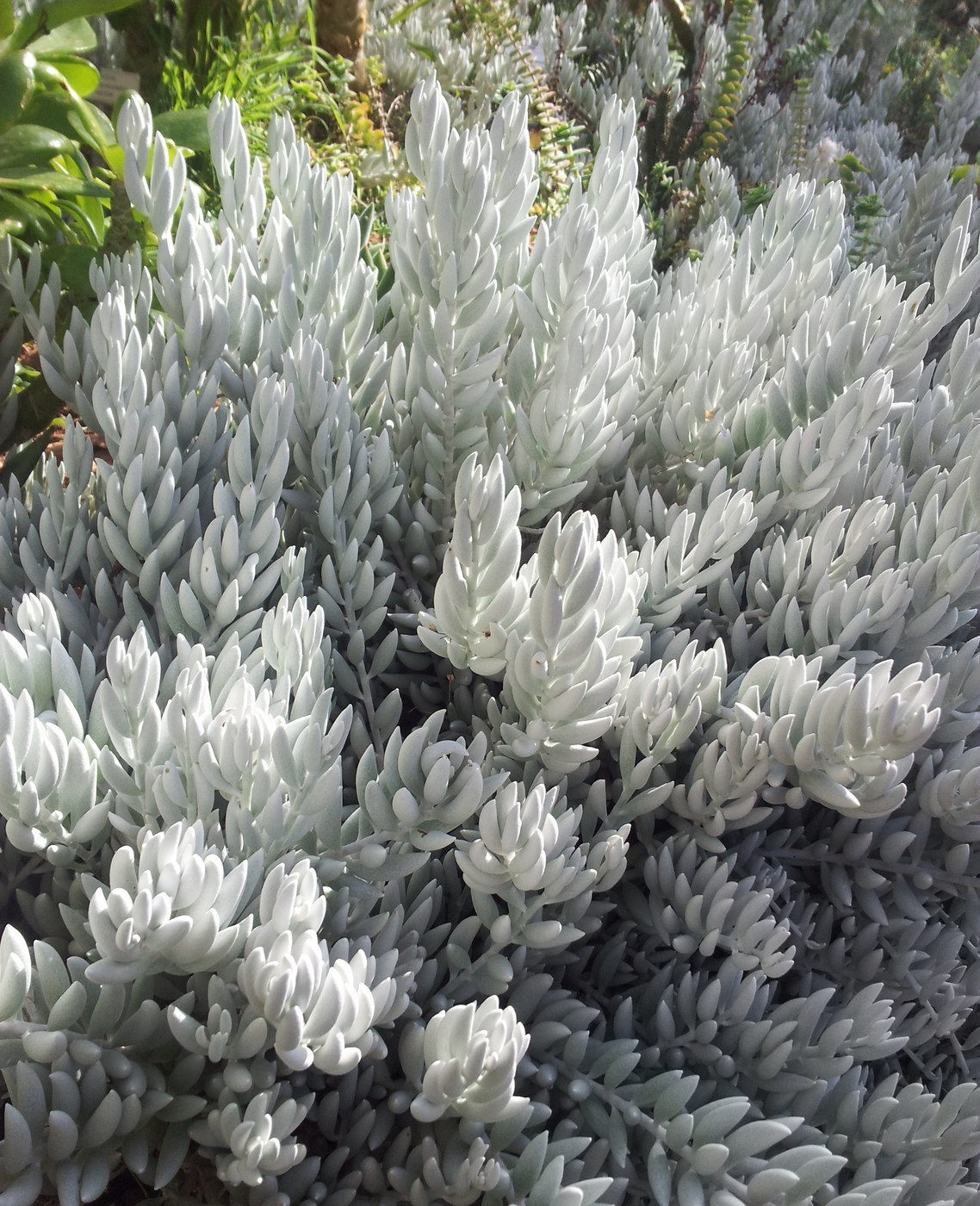
The jelly bean plant (Sedum rubrotinctum) is a low, branching succulent covered in chubby, glossy, jelly-bean-shaped leaves. In bright sun or cool weather the green leaves blush a vivid red, giving rise to the nickname 'pork and beans.'
It grows quickly into a sprawling mound and roots easily wherever leaves or stems touch the soil, making it a popular pass-along plant.
Small yellow star-shaped flowers can appear in spring, but it is grown mainly for its colorful, candy-like foliage.
How to identify it
- Plump, glossy, bean-shaped leaves clustered along trailing stems
- Leaves green in shade, turning bright red at the tips in sun or cool temperatures
- Low, branching, spreading mound habit
- Star-shaped yellow flowers in spring
- Leaves detach and root easily
Care & growing
- Light: Full sun to bright light brings out the red color; shade keeps it green and leggy
- Water: Drought-tolerant; water only when soil is fully dry
- Soil: Fast-draining cactus or succulent mix
- Temperature: Tolerates heat and brief light frost; protect from hard freezes
- Feeding: Minimal; light occasional feeding
- Propagation: Very easy from dropped leaves or stem cuttings
Habitat & origin
Sedum rubrotinctum is a cultivated hybrid believed to derive from Mexican sedum species, and is not clearly known in the wild.
It is grown worldwide as an easy ornamental succulent, in containers, rock gardens, and as a ground cover in mild climates where it spreads readily.
Frequently asked questions
Why aren't the leaves turning red?
The red color develops in strong sun and cooler temperatures. In shade the plant stays green and tends to stretch.
How do I propagate it?
Drop or lay a leaf or stem cutting on dry soil and it will root on its own within a couple of weeks.
Why are leaves falling off?
Some leaf drop is normal, but heavy shedding usually points to overwatering. Let the soil dry fully between waterings.
Jelly Bean Plant guides
In-depth guides for identifying, growing, and caring for Jelly Bean Plant.
How to Care for Jelly Bean Plant
Grow the colorful Jelly Bean Plant (Sedum rubrotinctum) with full sun, gritty soil, and infrequent watering in this easy succulent care guide.
Jelly Bean Plant Identification Guide
How to identify the Jelly Bean Plant by its plump bean-shaped leaves that turn from green to bright red in the sun.