How to Care for Jimsonweed
Grow ornamental Datura stramonium in full sun with lean, well-drained soil for dramatic trumpet flowers and spiny seed pods.
Read the full Jimsonweed encyclopedia entry →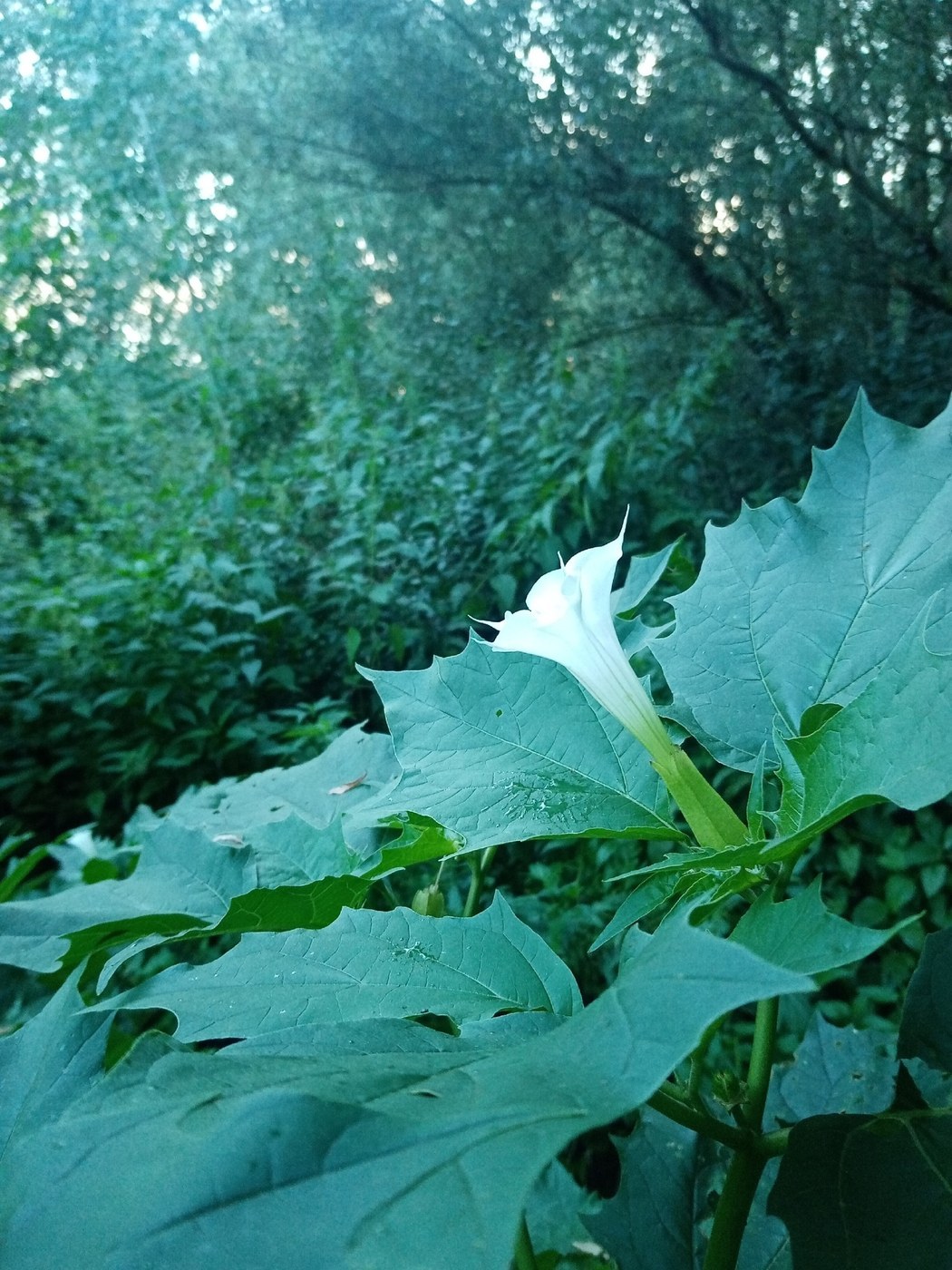
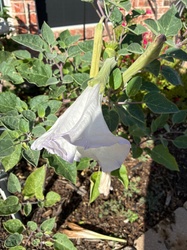
Jimsonweed (Datura stramonium) is a fast-growing warm-season annual grown as an ornamental for its large, trumpet-shaped white to pale-lavender flowers and distinctive spiny seed capsules. Vigorous and drought-tolerant, it makes a bold statement in sunny beds and cottage-style borders.
Light
Jimsonweed demands full sun, ideally six or more hours of direct light daily. Ample sunlight produces the sturdiest, most compact plants and the greatest number of blooms. In too much shade, plants grow leggy and flower sparsely, so choose the brightest open spot available.
Water
This is a low-water, drought-tolerant plant. Water moderately while young to establish it, then allow the soil to dry between waterings. Established plants tolerate dry spells well and dislike constantly wet feet. Overwatering and poorly drained soil can cause wilting and root problems, so err on the dry side once the plant is growing strongly.
Soil & Potting
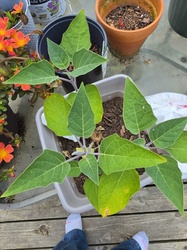
Jimsonweed is adaptable and thrives in lean, well-drained soil. It performs well in average to poor soils and does not need rich amendments; overly fertile ground encourages lush foliage at the expense of flowers. Ensure good drainage above all. In containers, use a free-draining potting mix and a large pot to accommodate its fast, substantial growth.
Humidity & Temperature
A heat-loving warm-season plant, jimsonweed thrives in hot summer conditions and is intolerant of frost. It is typically grown as an annual in cooler climates, sown or planted out only after all danger of frost has passed. It is unbothered by dry air and does not require any added humidity.
Feeding
This plant needs little feeding. Rich soil or heavy fertilizing tends to produce leafy, floppy growth with fewer flowers. If your soil is very poor, a single light application of a balanced fertilizer early in the season is sufficient. In average soil, no supplemental feeding is generally necessary.
Propagation
Jimsonweed is grown from seed and germinates readily in warm soil. Sow seeds outdoors after the last frost, or start indoors a few weeks earlier and transplant once the weather warms. It self-seeds prolifically from its spiny pods, so deadhead the seed capsules before they split if you want to control its spread.
Repotting / Pruning
As an annual, it rarely needs repotting within a single season, though a vigorous container plant may need moving to a larger pot mid-season. Pinch young plants to encourage branching, and remove spent flowers and developing seed pods to prolong blooming and prevent unwanted self-seeding.
Common Problems & Pests
Jimsonweed is generally robust and pest-resistant. In humid or crowded conditions it can develop fungal leaf spots or mildew; improve air circulation and avoid overhead watering. Spider mites and whiteflies may appear in hot, dry weather and can be managed with insecticidal soap. Root rot occurs mainly in soggy, poorly drained soil, so maintain sharp drainage.
Seasonal Care Tips
Start seeds or set out plants only after the soil has warmed and frost has passed. Through summer, enjoy its low-maintenance blooming with minimal water and no feeding. Deadhead spent flowers and pods to keep it tidy and limit self-seeding. As the first frost approaches, this warm-season annual will decline; collect ripe seed pods if you wish to grow it again next year.
Frequently asked questions
Is jimsonweed an annual or perennial?
In most climates Datura stramonium is grown as a fast-growing warm-season annual. It is frost-tender and completes its life cycle in one season, self-seeding readily from its spiny pods.
How much sun does jimsonweed need?
It needs full sun, at least six hours of direct light per day. Plenty of sun produces sturdy, compact plants with abundant trumpet-shaped flowers, while shade makes it leggy and sparse.
How often should I water jimsonweed?
Water moderately to establish young plants, then let the soil dry between waterings. It is drought-tolerant and prefers to stay on the dry side, disliking constantly wet or poorly drained soil.
How do I keep jimsonweed from spreading?
It self-seeds heavily from its spiny seed capsules. Remove the developing pods before they split open and drop seed to keep the plant from spreading around the garden.
Jimsonweed identified by the community
Recent Jimsonweed specimens identified with Plant Identifier.