How to Care for Joseph's Coat
Grown for dazzling multicolor foliage, Joseph's Coat is an easy, fast-growing plant for bright light, steady moisture, and warm conditions.
Read the full Joseph's Coat encyclopedia entry →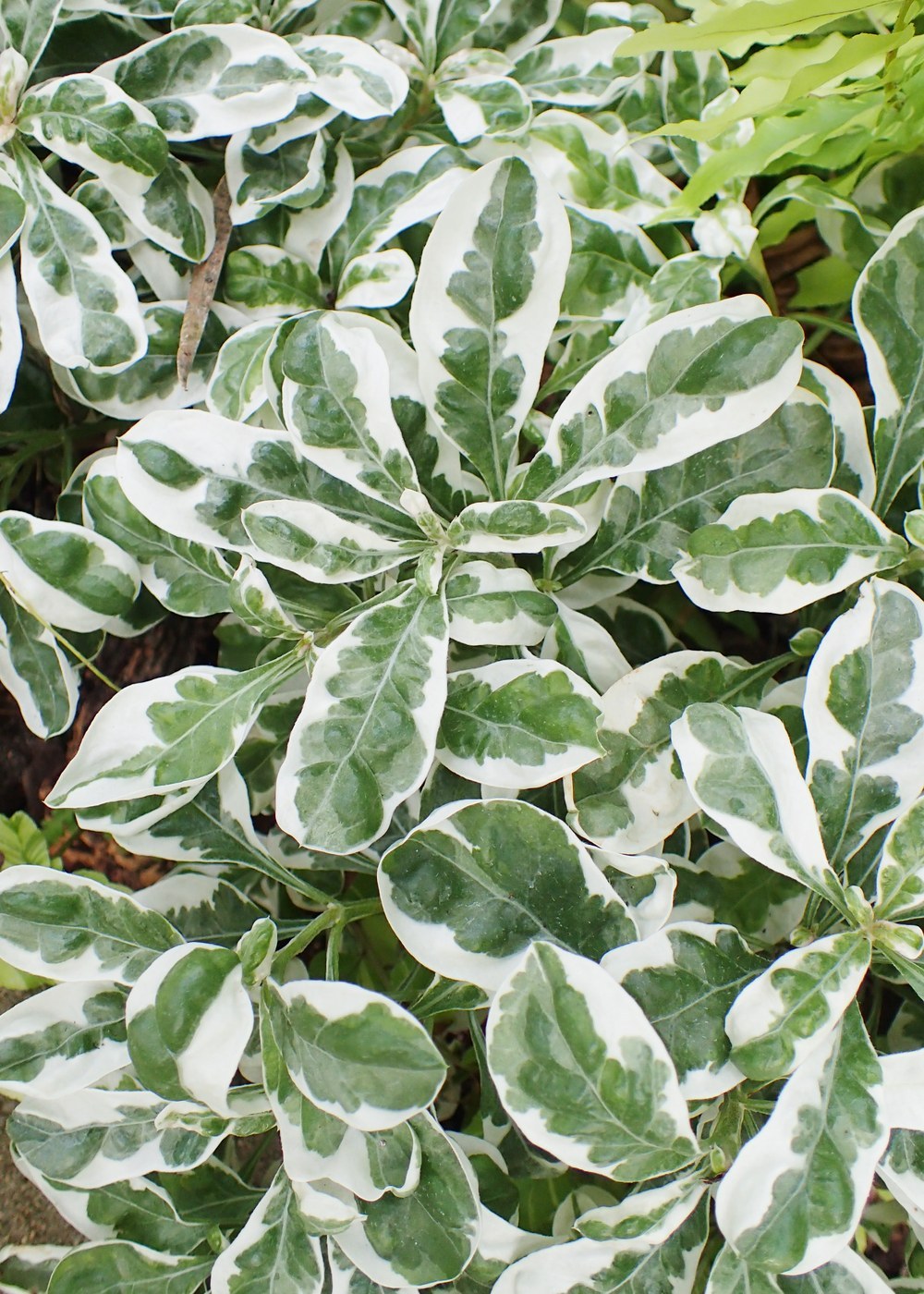
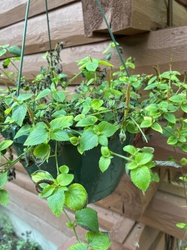
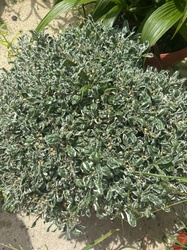
Joseph's Coat (Alternanthera ficoidea) is grown entirely for its vividly variegated foliage, which splashes green, red, orange, pink, and yellow across small pointed leaves. Easy and fast-growing, it works as a tender bedding plant, edging, container filler, or bright houseplant and responds to a quick pinch by growing dense and mounded.
Light
For the richest color, give Joseph's Coat full sun to bright indirect light. Strong light intensifies the reds, pinks, and oranges; in dim conditions the foliage fades toward plain green and growth becomes leggy. Outdoors it takes full sun in most climates, needing only light afternoon shade in the hottest regions. Indoors, place it at a bright window and rotate periodically for even color.
Water
Keep the soil evenly moist with regular watering; Joseph's Coat likes consistent moisture and does not tolerate prolonged drought, which causes wilting and leaf drop. Water whenever the surface begins to dry, and increase frequency in heat or when grown in containers, which dry out quickly. At the same time, avoid waterlogged soil; steady, even moisture with good drainage is the goal.
Soil & Potting
Use rich, well-drained soil or a quality all-purpose potting mix. Adding compost improves moisture retention and fertility, both of which fuel lush growth. In containers, ensure drainage holes so the roots stay moist but never soggy. Joseph's Coat is not fussy about pH and adapts to most fertile garden soils.
Humidity & Temperature
This is a warmth-loving tropical foliage plant. It thrives between 65 and 85 degrees Fahrenheit and is sensitive to cold; growth stalls below about 50 degrees and it is damaged by frost. Grow it as an annual outdoors in cool climates or bring it inside before autumn cold arrives. It appreciates moderate to high humidity but adapts well to average indoor conditions.
Feeding
Feed every two to four weeks during the growing season with a balanced liquid fertilizer to sustain fast growth and bright color. Container plants especially benefit from regular feeding since frequent watering leaches nutrients. Reduce or stop feeding in winter when growth slows. Avoid excessive nitrogen, which can green out the variegation.
Propagation
Joseph's Coat roots very easily from stem cuttings. Snip a healthy stem, remove the lower leaves, and place it in water or moist potting mix; roots form within one to two weeks. This makes it simple to overwinter favorite colors indoors and to bulk up plantings cheaply. Established clumps can also be divided.
Repotting / Pruning
Pinch and trim frequently to keep the plant compact and bushy; regular pinching is the secret to a dense, mounded shape and prevents legginess. It responds well to shearing and can be kept as a low, tidy edging. Repot container specimens when roots fill the pot, moving up a size in spring. Pinched tips can be rooted as new plants.
Common Problems & Pests
Joseph's Coat is generally trouble-free but can attract aphids, spider mites, and whiteflies, especially indoors or on stressed plants; treat with insecticidal soap or neem and rinse foliage. Leggy, faded growth signals too little light. Wilting points to dry soil, while yellowing lower leaves and rot follow overwatering. Cold exposure causes blackened, damaged foliage.
Seasonal Care Tips
In spring, plant out or pot up after all danger of frost has passed, and pinch early to build a full shape. Through summer, water regularly, feed, and enjoy peak color in strong light. In fall, take cuttings or bring container plants indoors before temperatures drop. Over winter, keep it warm and bright indoors, water more sparingly, and resume active care as spring light returns.
Frequently asked questions
Why is my Joseph's Coat losing its bright colors?
Fading to plain green almost always means not enough light. Move it to full sun or the brightest indirect light you have, and ease off high-nitrogen feeding, which can also dull the variegation.
How do I keep Joseph's Coat bushy?
Pinch and trim it frequently. Regular pinching of the growing tips forces branching and keeps the plant dense and mounded instead of leggy, and the trimmings root easily as new plants.
Can Joseph's Coat survive winter outdoors?
Only in frost-free climates. It is a tender tropical that is damaged by frost and stalls below about 50 degrees, so in cool regions grow it as an annual or overwinter cuttings indoors.
How do I propagate Joseph's Coat?
Take stem cuttings, remove the lower leaves, and root them in water or moist soil. Roots form within one to two weeks, making it very easy to multiply plants or save colors over winter.
Joseph's Coat identified by the community
Recent Joseph's Coat specimens identified with Plant Identifier.