
How to Care for Jostaberry
Grow Jostaberry (Ribes x nidigrolaria), a vigorous thornless currant-gooseberry shrub, for a lush hedge or bushy garden accent. Easy-care guide.
Read the full Jostaberry encyclopedia entry →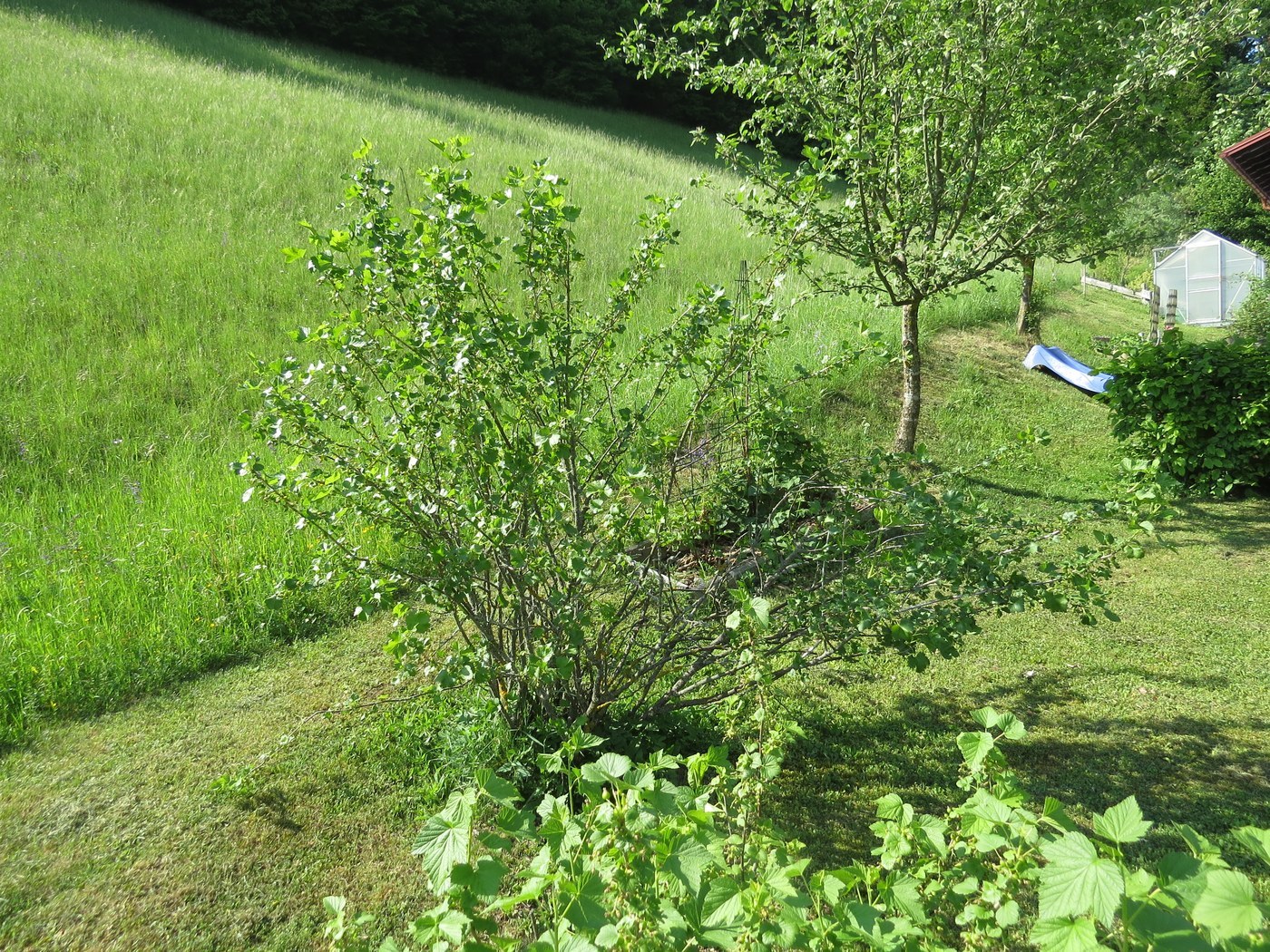
The Jostaberry (Ribes × nidigrolaria) is a vigorous, thornless deciduous shrub, a cross between blackcurrant and gooseberry, grown for its dense, arching form and lush foliage. Easy and adaptable, it makes a robust informal hedge or a bushy accent in the cooler-climate garden.
Light
Jostaberry grows well in full sun to partial shade. Full sun encourages the most vigorous, well-branched growth, while a spot with some afternoon shade is welcome in hotter regions. In deep shade the shrub becomes thin and open, so aim for a bright position with at least a few hours of direct sun.
Water
Keep the soil evenly moist, especially during the growing season and in dry spells. Jostaberry has a relatively shallow root system and dislikes prolonged drought, but it equally resents waterlogging. Mulch generously to retain moisture and moderate soil temperature, and water deeply during hot, dry weather.
Soil & Potting
Grow in fertile, well-drained soil rich in organic matter, with a slightly acidic to neutral pH. Work compost or well-rotted organic material into the planting site. The shrub tolerates a range of soils but performs best where moisture is retained yet drainage remains free. A thick organic mulch each spring keeps the shallow roots cool and moist.
Humidity & Temperature
This is a cool-climate shrub, very cold-hardy and generally reliable through the colder USDA zones (roughly 3 to 8). It needs a period of winter chill and prefers cool to mild summers; it struggles in hot, humid climates. Ambient humidity is not a concern, but good airflow reduces foliar disease.
Feeding
Feed in early spring with a balanced fertilizer or a generous topdressing of compost and well-rotted organic matter. Jostaberry responds well to fertile conditions with lush growth. Avoid excessive nitrogen late in the season, which can produce soft growth that does not harden before winter.
Propagation
Jostaberry is very easy to propagate from hardwood cuttings taken in late autumn or winter; simply insert pencil-thick prunings into moist ground or pots and most will root by spring. Layering low branches also works reliably. This ease of propagation makes it simple to raise new plants for a hedge.
Repotting / Pruning
Prune in late winter while dormant. On established shrubs, remove the oldest, least productive stems at the base to encourage vigorous new shoots, and thin out crowded or crossing branches to keep the center open and airy. This renewal pruning maintains a healthy, well-shaped bush. Container plants should be potted into fresh, rich mix and moved up as they grow.
Common Problems & Pests
Jostaberry is notably disease-resistant compared with its parents, showing good resistance to mildew and rust. It can still attract aphids, currant sawfly larvae that chew foliage, and, in some areas, borers. Keep the bush open through pruning to reduce disease, and check foliage regularly for early signs of pests.
Seasonal Care Tips
Mulch in spring and feed as growth begins, water consistently through summer, and do renewal pruning in the dormant winter season. Take hardwood cuttings in late autumn or winter when pruning. In colder zones the shrub is very hardy, but a spring mulch and steady moisture give the best lush, healthy growth.
Frequently asked questions
How big does a jostaberry shrub get?
It is a vigorous grower that can reach roughly five to six feet tall and wide when established. Its dense, arching, thornless growth makes it useful as an informal hedge as well as a specimen.
How do I prune a jostaberry?
Prune in late winter while dormant. Remove the oldest stems at the base to stimulate strong new shoots and thin crowded or crossing branches to keep the center open and airy for good growth.
Is jostaberry easy to propagate?
Very. Hardwood cuttings taken in late autumn or winter root readily when pushed into moist soil, and low branches can be layered. This makes it easy and inexpensive to raise plants for a hedge.
Does jostaberry need full sun?
It grows in full sun to partial shade. Full sun gives the most vigorous, well-branched bush, while some afternoon shade helps in hotter regions. Avoid deep shade, which makes growth thin and sparse.