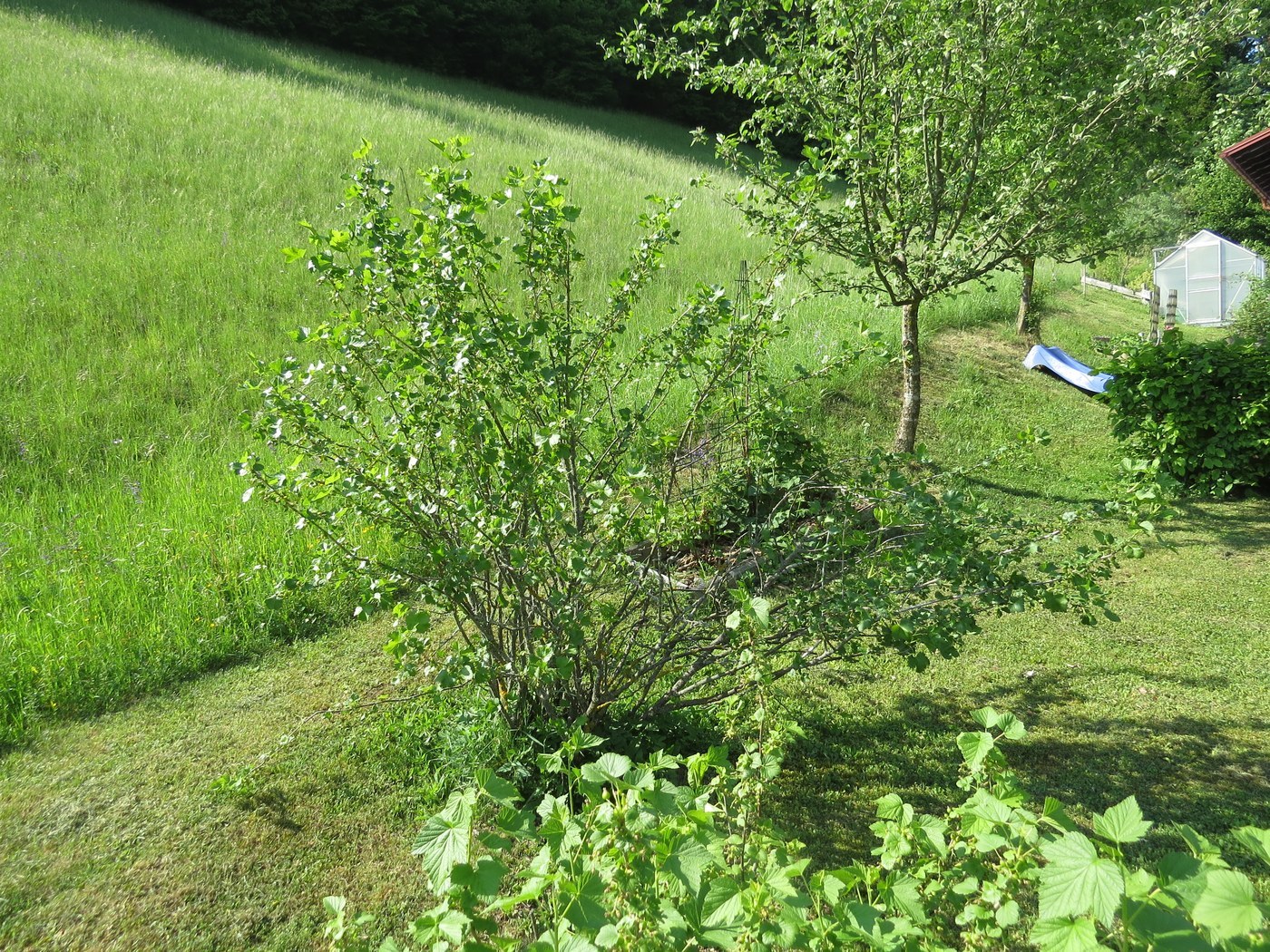
Jostaberry
Ribes × nidigrolaria
Jostaberry is a thornless hybrid of blackcurrant and gooseberry, producing dark berries. It is vigorous, hardy, and disease-resistant.
- Light
- Full sun to partial shade
- Water
- Moderate; keep evenly moist
- Difficulty
- Easy
Got a plant like this?
Identify any plant from a photo, free.
Overview
The jostaberry (Ribes × nidigrolaria) is a complex hybrid between the blackcurrant and two species of gooseberry, developed in Germany in the 20th century. The name combines the German words for blackcurrant (Johannisbeere) and gooseberry (Stachelbeere).
It produces dark reddish-black berries larger than currants but smaller than gooseberries.
Jostaberry bushes are vigorous, thornless, and notably resistant to common currant and gooseberry diseases and pests, making them an easy, productive shrub for gardens in cool climates.
How to identify it
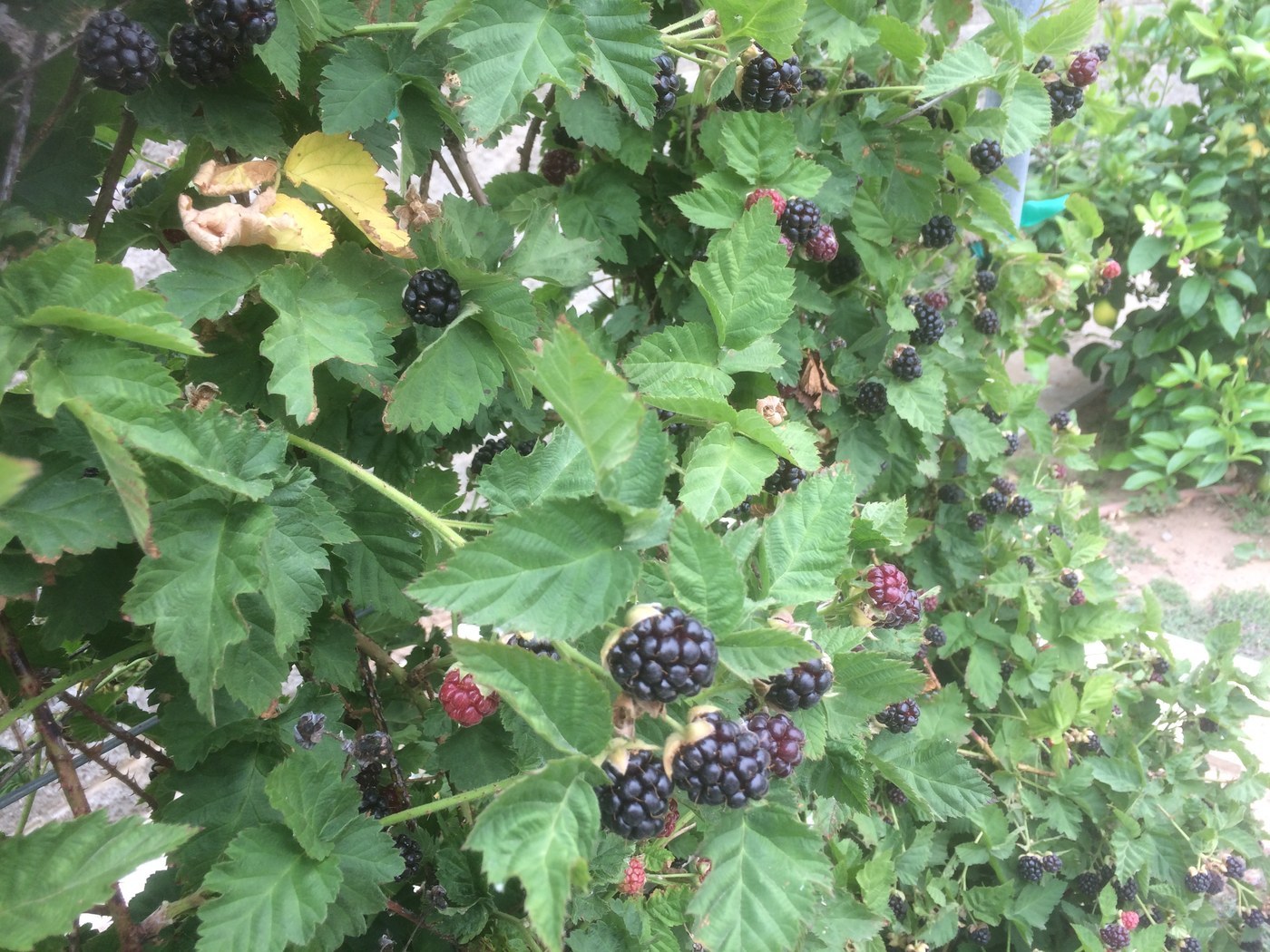
- Fruit: Round, dark reddish-black, larger than a currant; borne in small clusters
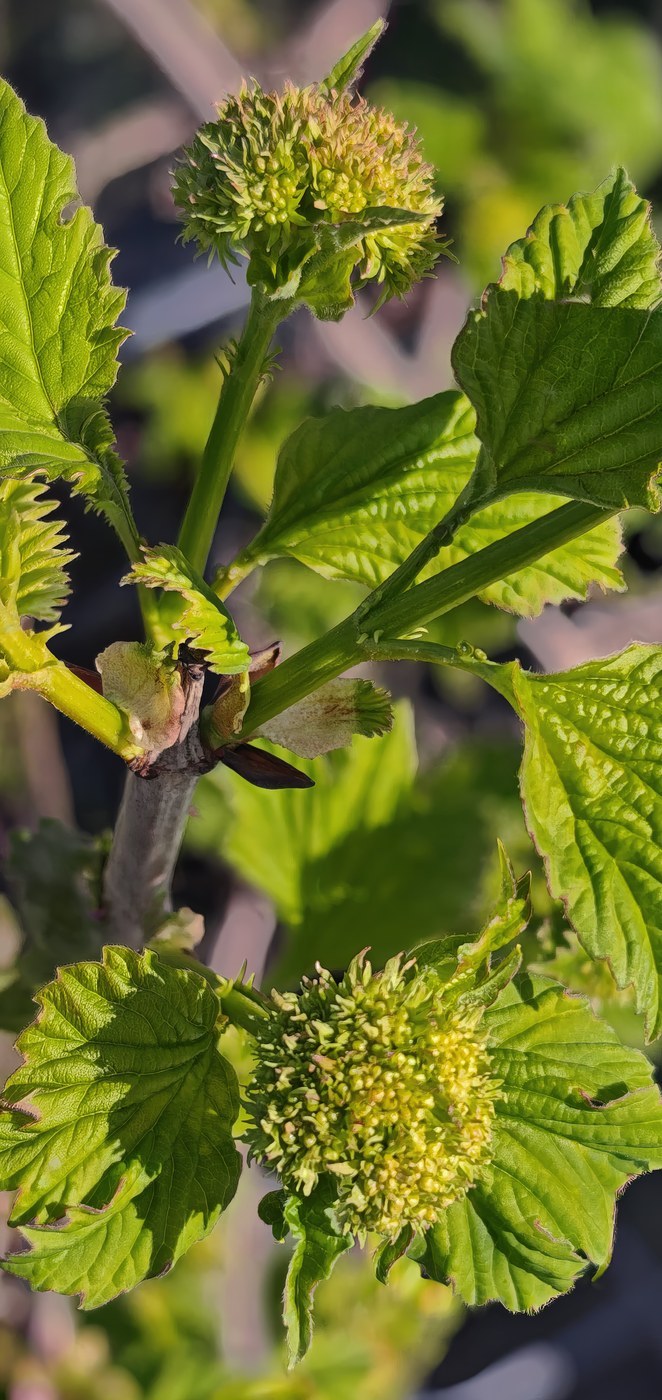
- Leaves: Lobed, resembling both currant and gooseberry foliage, without the blackcurrant's strong scent
- Stems: Vigorous and thornless, unlike its gooseberry parent
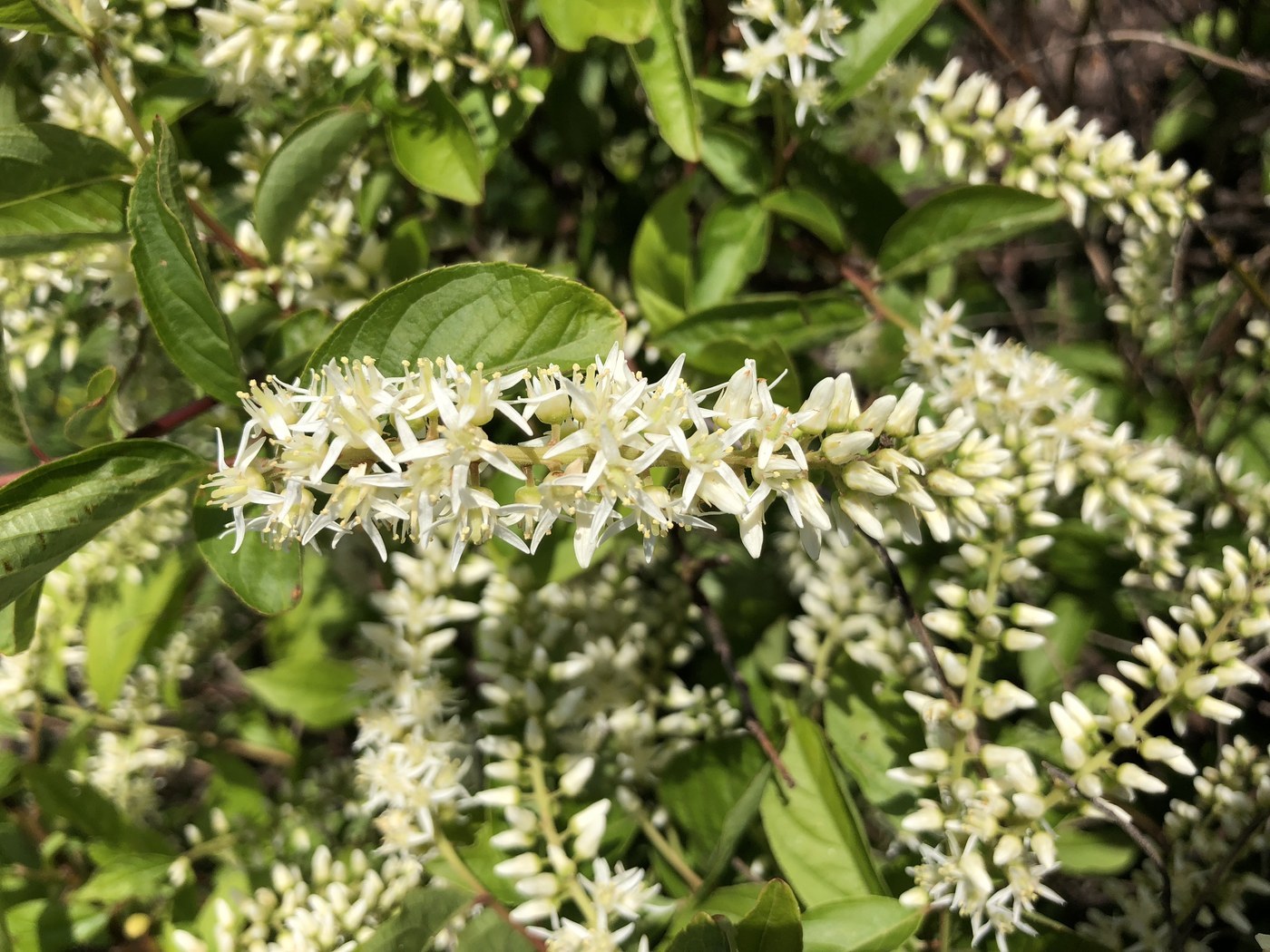
- Flowers: Small, greenish, inconspicuous, in short clusters
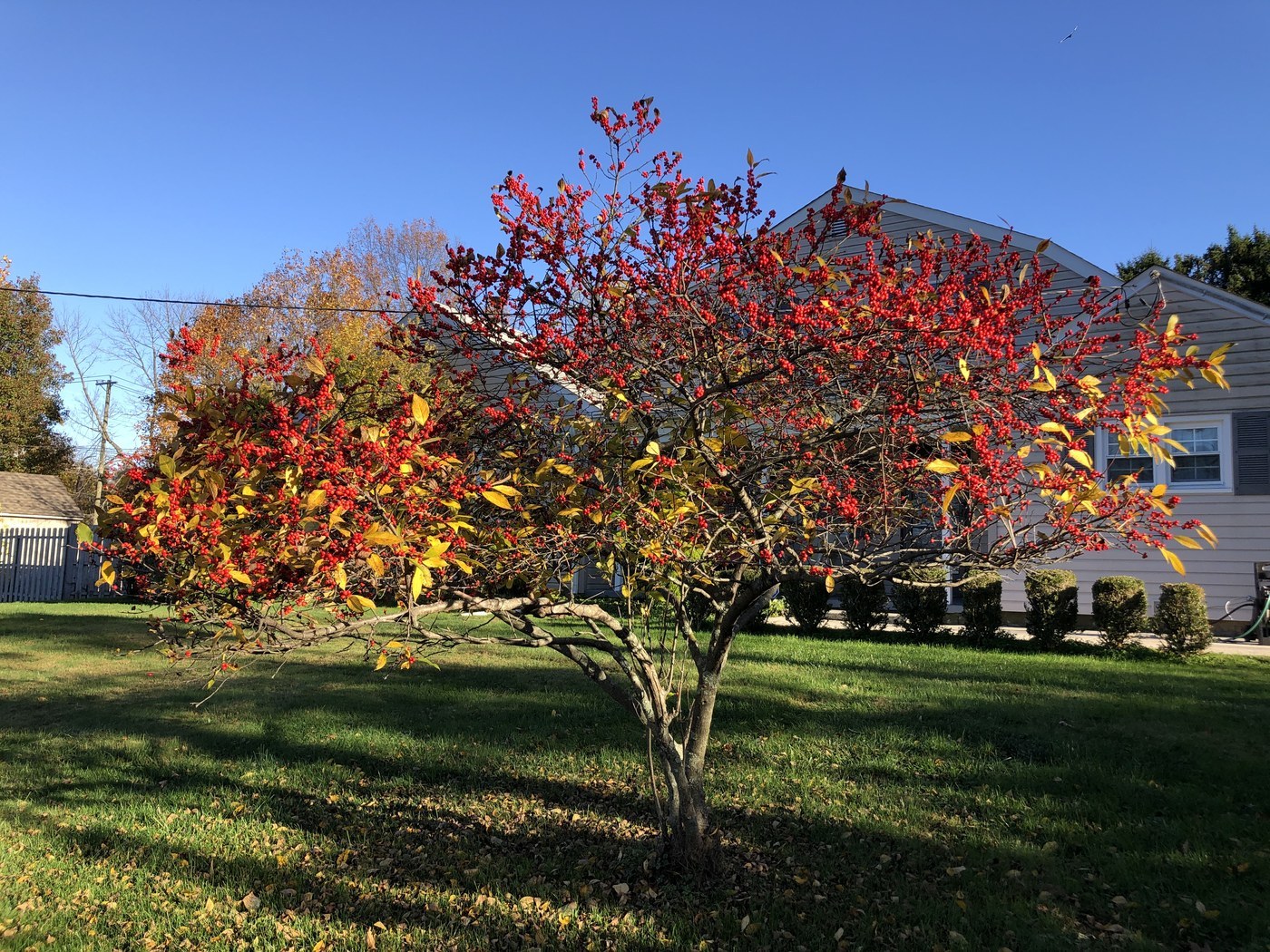
- Size: Large, upright shrub reaching 5–6 ft tall and wide
Care & growing
Light: Full sun for best growth; tolerates partial shade in warmer areas.
Water: Keep evenly moist, especially during fruiting; mulch helps retain moisture.
Soil: Fertile, well-draining soil rich in organic matter, slightly acidic to neutral.
Temperature: Very cold-hardy (USDA zones 3–8); needs winter chill and dislikes hot, dry summers.
Feeding: Annual application of compost or a balanced fertilizer in spring supports its vigorous growth.
Propagation: Easily grown from hardwood cuttings, like currants; it roots readily and is quick to establish.
Habitat & origin
The jostaberry is a cultivated hybrid with no wild native range; it was bred in Germany from European blackcurrant and North American/European gooseberry species.
It is grown in cool-temperate gardens across Europe, North America, and other regions with cold winters, prized as a low-maintenance, disease-resistant shrub.
Frequently asked questions
Does jostaberry have thorns?
No. Unlike its gooseberry parent, the jostaberry is thornless, which makes pruning and handling much easier.
Is jostaberry a GMO?
No. It is a conventional cross-bred hybrid of blackcurrant and gooseberry, created through traditional plant breeding rather than genetic engineering.
How big does a jostaberry bush get?
It is vigorous, typically reaching 5–6 feet tall and wide, so give it room and prune to keep it open and tidy.
How can I recognize a jostaberry?
Look for a large, thornless, upright shrub with lobed currant-and-gooseberry-like leaves and round, dark reddish-black berries borne in small clusters.
Jostaberry guides
In-depth guides for identifying, growing, and caring for Jostaberry.
How to Care for Jostaberry
Grow Jostaberry (Ribes x nidigrolaria), a vigorous thornless currant-gooseberry shrub, for a lush hedge or bushy garden accent. Easy-care guide.
Jostaberry Identification Guide
Identifying the jostaberry, a thornless gooseberry-blackcurrant hybrid, by its maple-shaped leaves, currant-like flowers, and large dark berries.