
How to Care for Jujube Tree
Grow the jujube (Ziziphus jujuba), a tough, heat- and drought-tolerant ornamental tree with glossy leaves and gnarled, characterful branches.
Read the full Jujube Tree encyclopedia entry →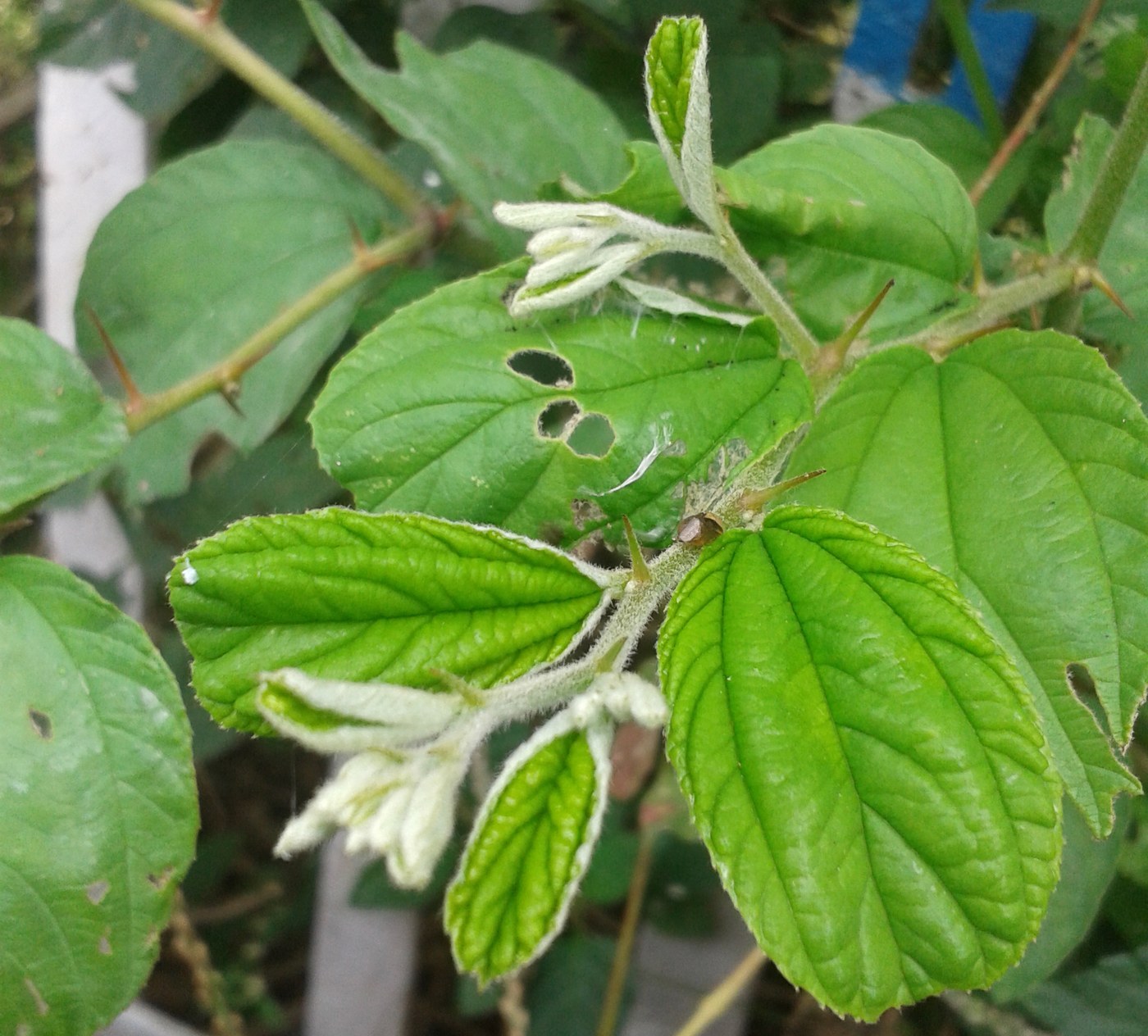
The jujube is a small to medium deciduous tree valued for its glossy bright-green leaves, thorny zigzag branches, and remarkable tolerance of heat, drought, and poor soil. It is an easy, low-maintenance ornamental once established.
Light
Plant in full sun. The jujube is a true sun-lover that thrives in hot, bright positions and produces its best growth and form with a minimum of 6 to 8 hours of direct light. It performs poorly and grows sparse and weak in shade, so choose your most open, sun-baked site.
Water
The jujube is exceptionally drought-tolerant once established, with deep roots that mine moisture from the soil. Water young trees regularly through their first year or two to settle the roots, then taper off. Mature trees need only occasional deep watering during extended dry spells. Avoid overwatering and waterlogged ground, which the tree strongly dislikes.
Soil & Potting
Jujubes tolerate a very wide range of soils, including sandy, rocky, saline, and alkaline ground that defeats many trees. The main requirement is good drainage. They perform best in deep, sandy loam but adapt readily to lean conditions. Plant at the same depth as the root flare, and avoid heavy, permanently wet soils.
Humidity & Temperature
This tree relishes long, hot summers and tolerates high heat with ease. It is also cold-hardy while dormant, withstanding hard winter freezes. Humidity is not a concern; it thrives in dry climates. Its wide climatic range is one reason it succeeds where more delicate trees fail.
Feeding
Jujubes are light feeders and often thrive with no supplemental fertilizer at all. On poor soils, a modest spring application of balanced fertilizer or a top-dressing of compost supports young trees. Avoid overfeeding, which encourages soft, excessive vegetative growth at the expense of a sturdy, well-ripened framework.
Propagation
Jujubes are propagated by grafting named selections onto seedling rootstock, by root suckers, or from seed. Suckers arising from the roots can be dug and transplanted, though rootstock suckers may not match the parent. Seed-grown trees are variable. Grafting is the standard method for reliable, true-to-type ornamental forms.
Repotting / Pruning
Prune in late winter while the tree is dormant to shape the canopy, remove dead or crossing branches, and open up the center for light and airflow. The jujube tolerates pruning well. Watch for and remove root suckers that spring up around the base if you want to keep a single clean trunk, as the tree suckers freely.
Common Problems & Pests
The jujube is notably pest- and disease-resistant, one of its great virtues. The most common nuisance is prolific root suckering, which can form a thicket if left unchecked. In damp climates it may occasionally show fungal leaf issues, but in its preferred hot, dry conditions problems are rare. Protect young bark from rodents and mechanical damage.
Seasonal Care Tips
Plant in early spring. Water new trees through their establishment period, then rely on the tree's drought tolerance. Prune and remove suckers in late winter during dormancy. The tree leafs out late in spring, so do not assume it has died over winter; it is simply slow to wake. Little other seasonal intervention is needed.
Frequently asked questions
How much water does a jujube tree need?
Very little once established. Water young trees regularly for the first year or two, then only during prolonged drought. Mature jujubes are deeply drought-tolerant and dislike soggy soil, so err on the dry side.
Why is my jujube tree so slow to leaf out in spring?
This is completely normal. Jujubes break dormancy late, often well after other trees have leafed out. A bare jujube in mid-spring is almost always just biding its time, not dead.
What are all the shoots coming up around my jujube's base?
Those are root suckers, which jujubes produce freely. Dig or cut them out at the root to keep a single clean trunk and prevent the tree from spreading into a thicket.
What kind of soil does a jujube tree need?
Almost any well-drained soil works, including sandy, rocky, alkaline, and mildly saline ground. The one thing it will not tolerate is heavy, waterlogged soil, so prioritize good drainage.