Jujube Tree
Ziziphus jujuba
The jujube is a hardy, drought-tolerant fruiting tree whose fruit turns from green to mahogany red. It is among the easiest trees to grow in hot, dry climates.
- Light
- Full sun
- Water
- Drought-tolerant; occasional deep watering
- Difficulty
- Easy
Got a plant like this?
Identify any plant from a photo, free.
Overview
The jujube (Ziziphus jujuba), also called Chinese date or red date, is a small deciduous fruiting tree cultivated for over 4,000 years in China.
Jujubes are remarkably tough, tolerating heat, drought, poor soil, and a wide temperature range. They have few pest problems and require little care, making them ideal for low-maintenance landscapes.
The tree has an attractive zigzag branching pattern and glossy foliage, and many cultivars are nearly spineless and self-fertile.
How to identify it
- Fruit: Oval to round drupe, ripening from green to reddish-brown/mahogany; crisp white flesh with a single hard stone
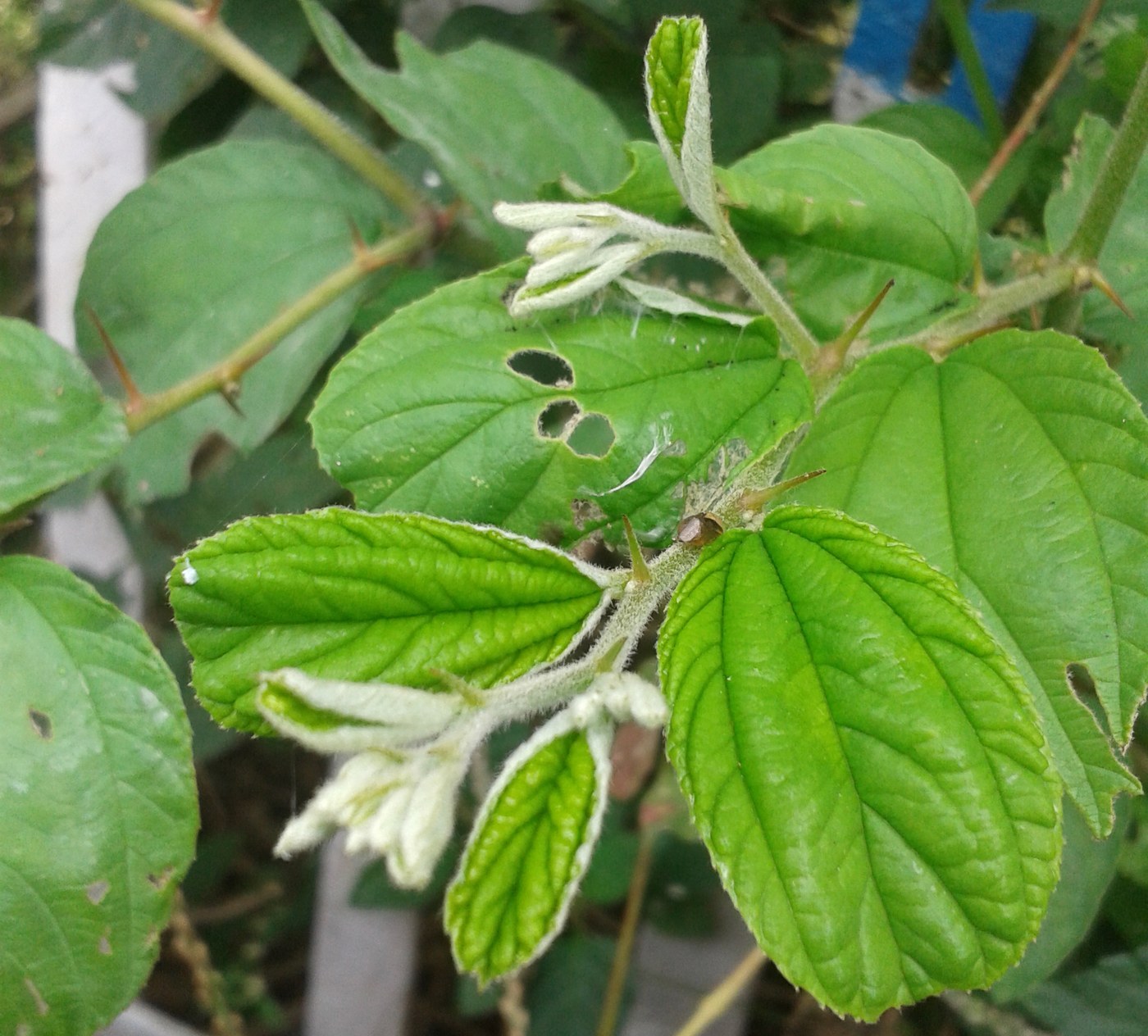
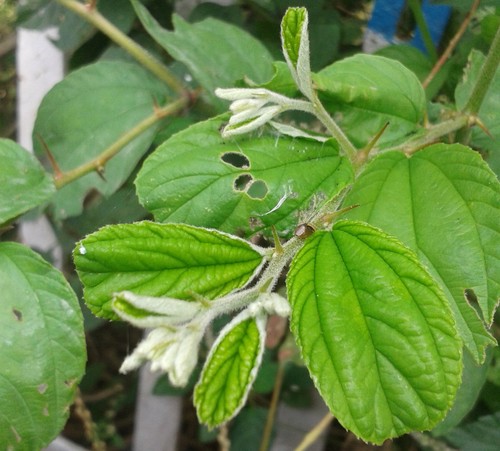
- Leaves: Small, shiny, oval, with three prominent veins and finely toothed margins; arranged alternately along zigzag twigs
- Flowers: Tiny, yellowish-green, fragrant, inconspicuous
- Branches: Often have paired spines; characteristic zigzag growth
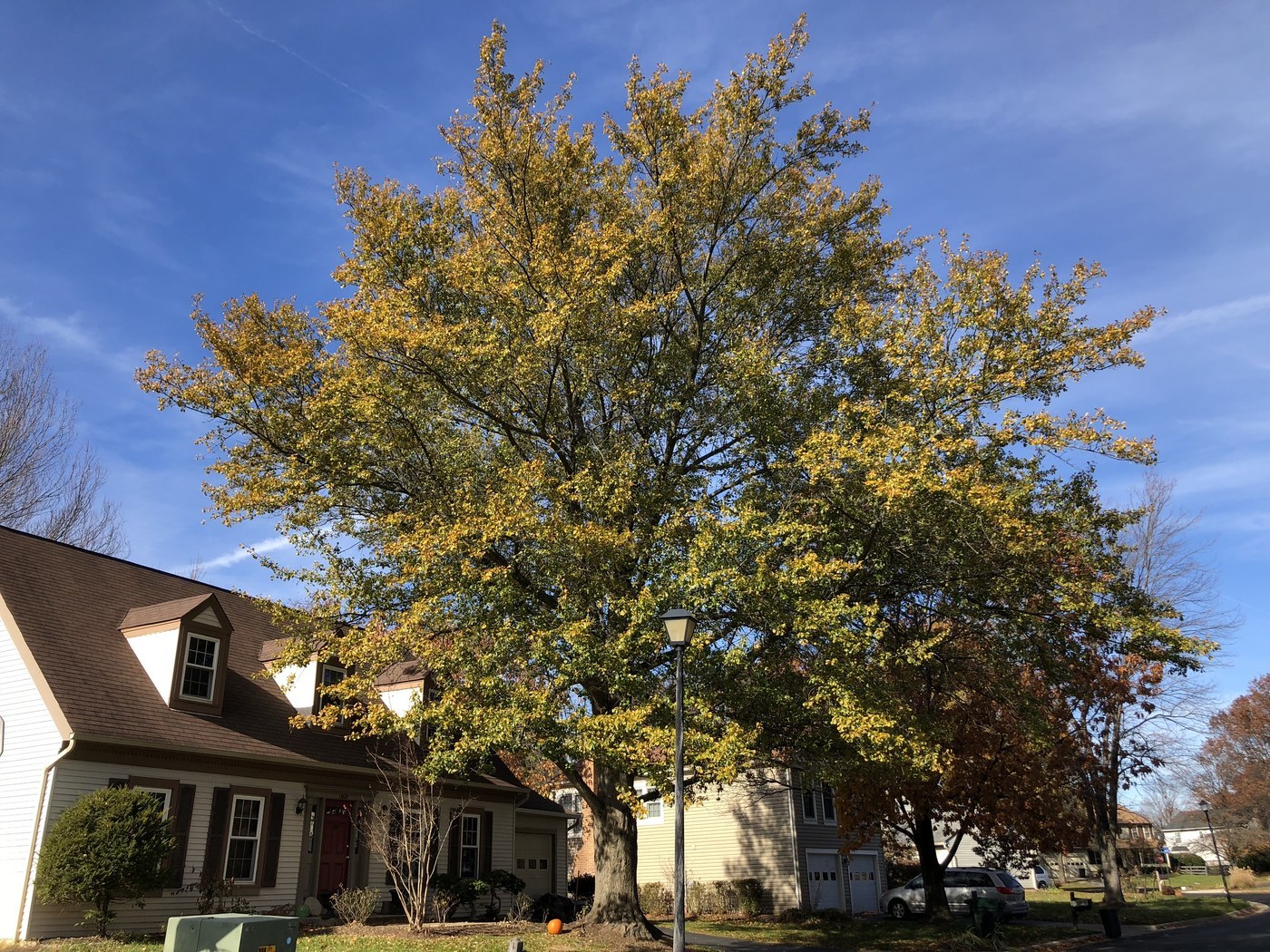
- Size: Typically 15–30 ft tall with a spreading, somewhat drooping canopy
Care & growing
Light: Full sun is required for good fruiting.
Water: Highly drought-tolerant once established; occasional deep watering during fruiting improves size and quality.
Soil: Tolerates a wide range, including sandy, alkaline, and poor soils, as long as drainage is good.
Temperature: Very heat-loving but cold-hardy when dormant (to roughly USDA zone 6); needs hot summers to ripen fruit.
Feeding: Minimal; a light spring feeding is sufficient. Over-fertilizing is unnecessary.
Propagation: Grafting or root suckers for named cultivars; seedlings are variable and often revert to thorny wild types.
Habitat & origin
Native to China and surrounding regions of southern Asia, the jujube has been cultivated across China, India, the Middle East, and the Mediterranean for millennia. It thrives in hot, arid and semi-arid climates.
It is now grown in the southwestern United States, the Mediterranean basin, and other warm-dry regions. It can become invasive via root suckers in some areas, so siting matters.
Frequently asked questions
When do jujubes ripen?
They typically ripen in late summer to fall, turning from green to reddish-brown and finally to a wrinkled, fully ripe stage.
Do jujube trees need a pollinator?
Many modern cultivars are self-fertile, but fruit set often improves with a second variety nearby. Check your specific cultivar's needs.
Are jujube trees invasive?
They can spread aggressively by root suckers, especially seedling or own-root trees. Grafted trees on contained sites and prompt sucker removal limit spreading.
How long until a jujube tree bears fruit?
Grafted trees often fruit within 2–3 years of planting, sometimes the first year, which is unusually fast for a fruit tree.
Jujube Tree guides
In-depth guides for identifying, growing, and caring for Jujube Tree.
How to Care for Jujube Tree
Grow the jujube (Ziziphus jujuba), a tough, heat- and drought-tolerant ornamental tree with glossy leaves and gnarled, characterful branches.
Jujube Tree Identification Guide
Recognizing the Chinese jujube by its zigzag thorny twigs, three-veined glossy leaves, and date-like fruit that ripens from green to brown.