
How to Care for Juniper
A tough, drought-tolerant evergreen shrub, juniper thrives in full sun and lean soil with minimal watering once established.
Read the full Juniper encyclopedia entry →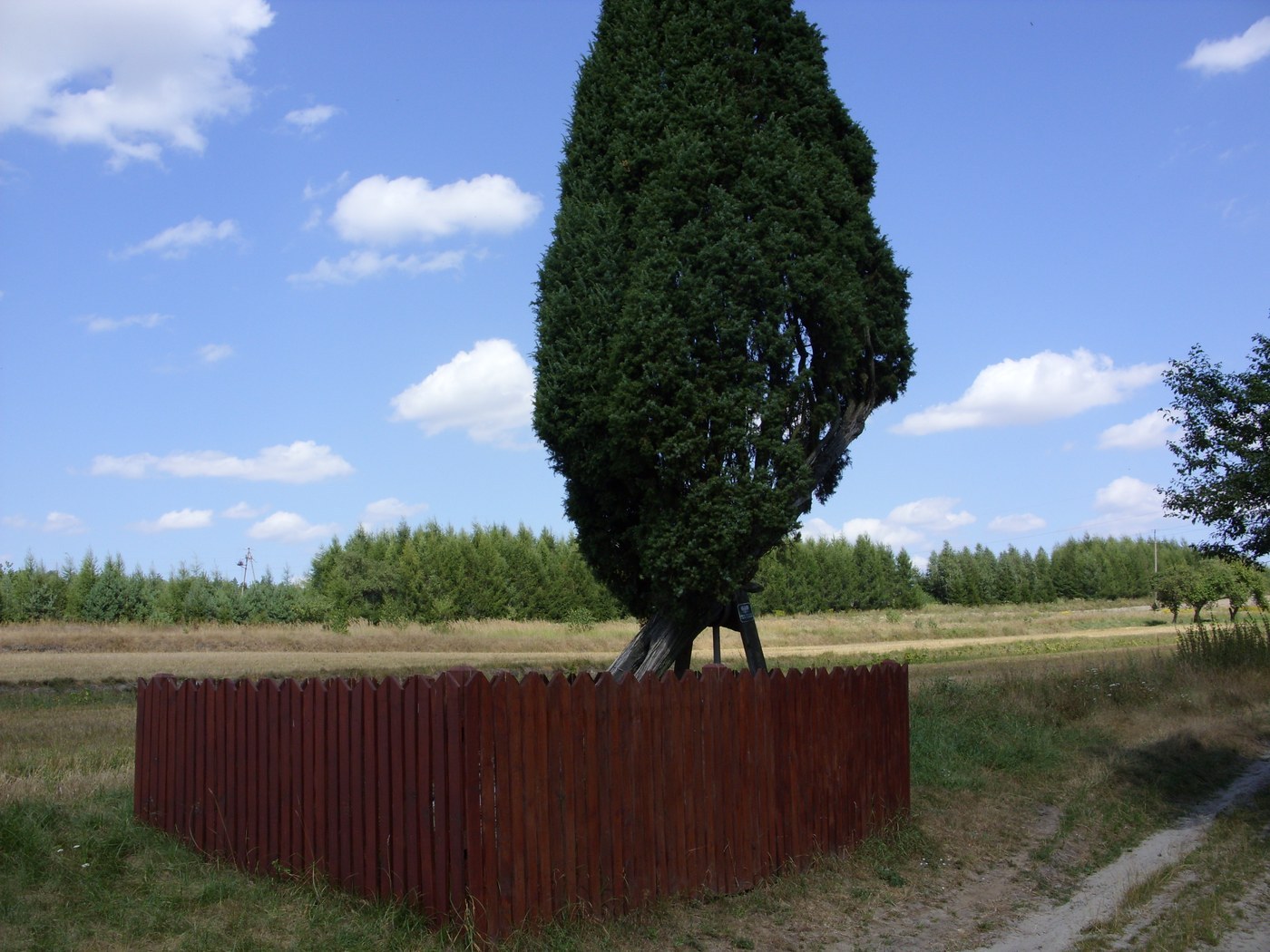
Juniper (Juniperus communis) is a hardy, evergreen conifer grown as a shrub, groundcover, or upright specimen. With needle-like or scale-like foliage and often blue-tinged berry cones, it is one of the most forgiving and drought-tolerant landscape plants available.
Light
Junipers demand full sun, at least 6 hours of direct light daily. In shade they thin out, lose their dense form, and become prone to disease. The more sun they receive, the tighter and healthier the foliage.
Water
Juniper is highly drought-tolerant once established. Water young plants regularly during their first season to build a strong root system, then taper off. Established plants rarely need supplemental water except in prolonged drought. Overwatering and soggy soil are the most common causes of juniper decline.
Soil & Potting
Almost any well-draining soil works, including poor, sandy, or rocky ground. Junipers tolerate a wide pH range and dislike heavy, wet clay. In containers, use a gritty, fast-draining mix and a pot with ample drainage holes. Sharp drainage is far more important than fertility.
Humidity & Temperature
Extremely cold-hardy and heat-tolerant, junipers handle a broad temperature range and thrive in dry air. They prefer low humidity and good air circulation; humid, stagnant conditions invite fungal problems. No special humidity measures are needed.
Feeding
Junipers need very little feeding. A light application of balanced or slow-release fertilizer in early spring is plenty for landscape plants. Over-fertilizing pushes weak, leggy growth. Container specimens benefit from a modest annual feed.
Propagation
Propagate from semi-hardwood cuttings taken in late summer or fall. Dip cuttings in rooting hormone and set them in a gritty, moist medium; they root slowly over several months. Species junipers can also be grown from stratified seed, though germination is slow and uneven.
Repotting / Pruning
Prune lightly in spring to shape and maintain density, cutting back to green growth; junipers do not resprout well from bare old wood, so avoid cutting into leafless brown zones. Repot container junipers every two to three years into fresh gritty mix. They are also classic bonsai subjects, responding well to careful pinching and wiring.
Common Problems & Pests
Watch for spider mites, bagworms, and juniper scale, especially in hot, dry spells. Fungal issues like tip blight and cedar-apple rust can appear in damp conditions; prune out affected shoots and improve airflow. Brown, dying interior needles are often normal seasonal shedding, but widespread browning usually signals root rot from overly wet soil.
Seasonal Care Tips
Plant in spring or fall. Prune and feed lightly in early spring. Water new plantings through their first summer, then rely on rainfall. In winter, junipers stay evergreen and need little care, though heavy snow should be brushed off upright forms to prevent splaying.
Frequently asked questions
Why is my juniper turning brown inside?
Some interior browning and needle shedding is normal seasonal renewal. Widespread browning, however, usually indicates root rot from overwatering or poor drainage, or occasionally spider mites in hot, dry weather.
How often should I water an established juniper?
Rarely. Once established, junipers are very drought-tolerant and generally rely on rainfall. Water only during prolonged drought, and avoid keeping the soil consistently wet.
Can I cut juniper back hard to reshape it?
No. Junipers do not resprout from bare brown wood, so always prune back only to green, living growth. Cutting into leafless old wood leaves permanent bare patches.
Does juniper need full sun?
Yes. Juniper needs at least 6 hours of direct sun to stay dense and healthy. In shade it thins out and becomes more prone to pests and disease.