Juniper
Juniperus communis
A tough, evergreen coniferous shrub (some species small trees) with needle-like or scale-like foliage and blue berry-like cones. Junipers range from low groundcovers to upright forms and thrive in poor, dry soils.
- Light
- Full sun
- Water
- Low; drought-tolerant once established
- Difficulty
- Easy
Got a plant like this?
Identify any plant from a photo, free.
Overview
Junipers are evergreen conifers in the genus Juniperus, with around 60 species spanning groundcover mats, spreading shrubs, and small trees. Juniperus communis is the most widespread, but garden junipers include many species and cultivars.
They are valued for year-round evergreen color, extreme toughness, and their aromatic, berry-like cones. Junipers tolerate drought, poor soil, salt, and exposure better than almost any other landscape conifer.
With forms for groundcover, foundation planting, screens, and bonsai, junipers are among the most versatile evergreens available.
How to identify it
- Foliage: Either sharp, awl-shaped needles (juvenile/common juniper) or tight scale-like leaves on mature plants; aromatic when crushed
- Color: Green, blue-green, gray, or gold depending on species and cultivar
- Cones: Female plants bear round, berry-like cones ripening from green to powdery blue-black over 1-3 years
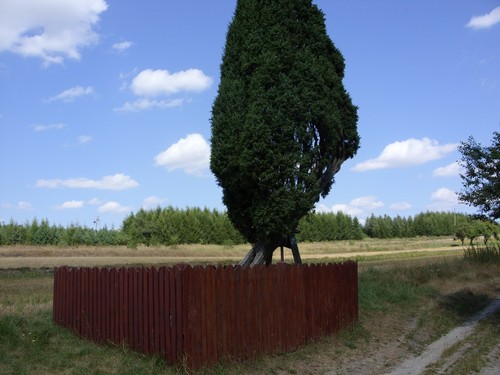
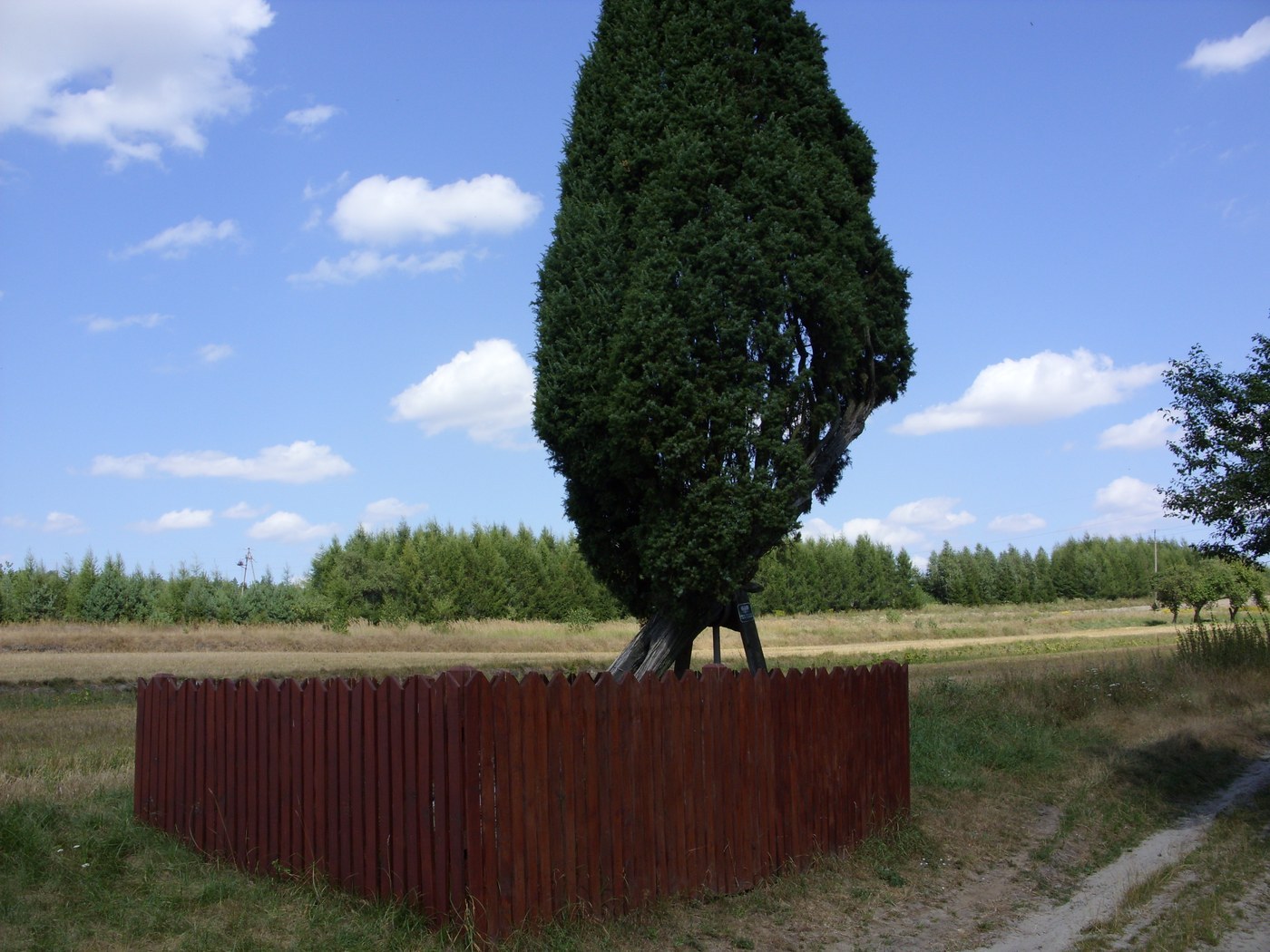
- Habit: Highly variable, from flat creeping mats under 1 ft to columnar forms and trees over 20 ft
- Bark: Thin, reddish-brown, often peeling in strips on older stems
Care & growing
Light: Full sun is essential; junipers thin out and brown in shade.
Water: Drought-tolerant once established; water new plants until rooted, then sparingly. Dislikes soggy soil.
Soil: Well-drained soil of almost any type, including sandy, rocky, or alkaline ground.
Temperature: Very hardy and heat-tolerant; species cover roughly USDA zones 2-9.
Feeding: Minimal; tolerates lean soils.
Pruning: Trim lightly to shape, but never cut back into bare old wood, which will not resprout.
Propagation: Cultivars are propagated from cuttings; species can be grown from cold-stratified seed.
Habitat & origin
Juniperus communis has the largest range of any woody plant, circling the Northern Hemisphere across North America, Europe, and Asia. Junipers as a group grow on mountains, dry hillsides, heaths, rocky outcrops, and sandy coasts, often on poor soils where little else thrives.
They are planted globally in gardens, foundations, rock gardens, and as groundcovers, and are popular subjects for bonsai.
Frequently asked questions
Why is my juniper turning brown inside?
Some interior browning and shedding of old needles is normal. Persistent browning can signal shade, poor drainage, spider mites, or fungal blight.
Can junipers be cut back hard?
No. Junipers do not regrow from bare old wood, so only trim into green, foliage-bearing growth.
How do I tell a juniper from other conifers?
Crushed juniper foliage is aromatic, and mature plants bear round, berry-like cones that ripen from green to powdery blue-black; foliage may be needle-like or scale-like depending on age and species.
Where do junipers grow best?
They thrive in full sun on well-drained, even poor, sandy or rocky soils, and tolerate drought, salt, and exposure better than most conifers.
Juniper guides
In-depth guides for identifying, growing, and caring for Juniper.