How to Care for Kale
Grow Kale (Brassica oleracea), a hardy cool-season leafy plant, in full sun to part shade with rich, evenly moist soil.
Read the full Kale encyclopedia entry →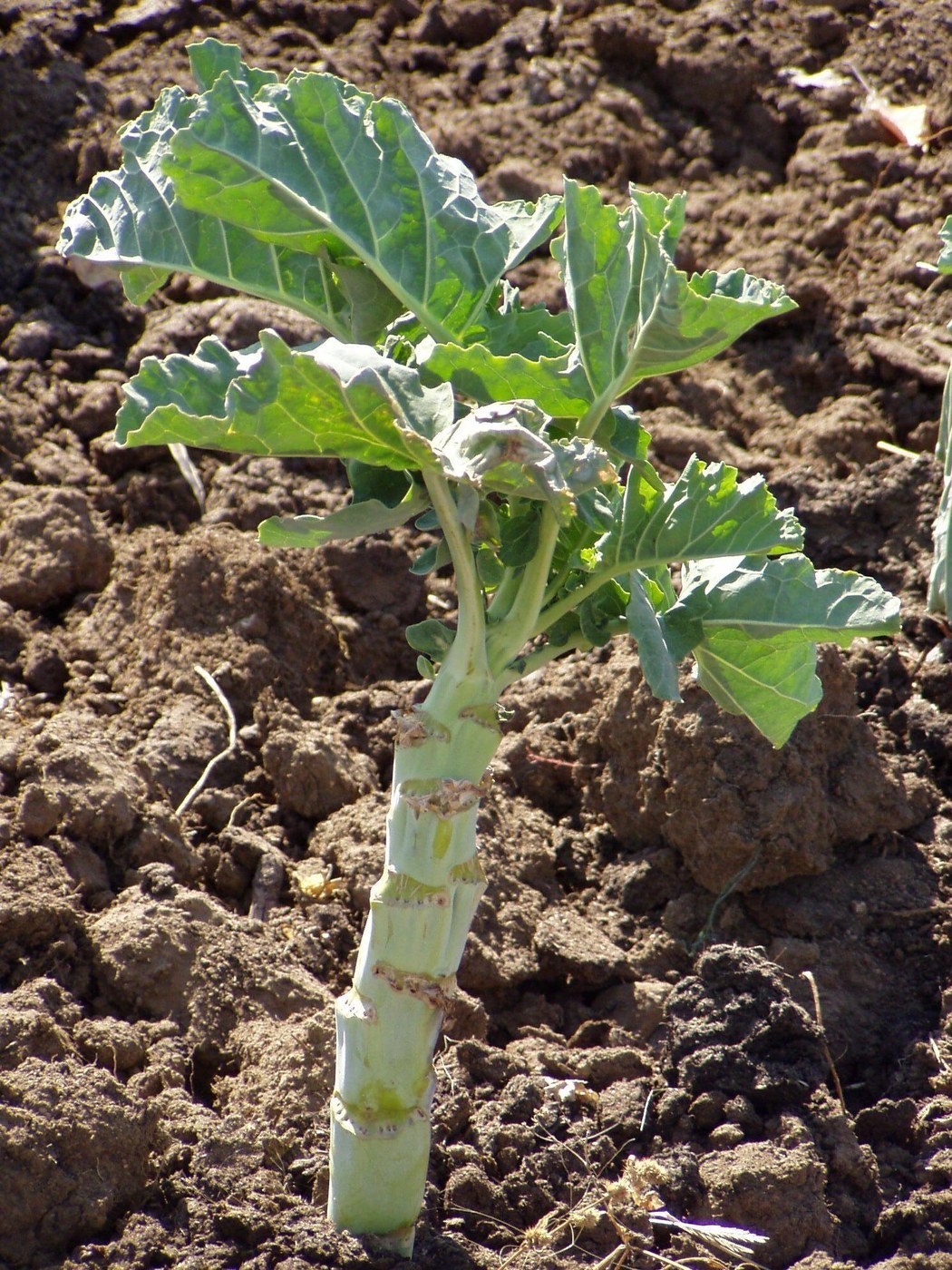
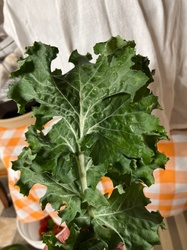
Kale (Brassica oleracea) is a hardy, cool-season leafy plant grown for its ruffled or curled rosettes of blue-green to purple foliage. Fast, easy, and cold-tolerant, it is a rewarding grower in garden beds and containers, and ornamental forms make bold, colorful displays in fall and winter plantings.
Light
Grow kale in full sun to part shade. Full sun, at least six hours daily, produces the fullest, most vigorous plants and the strongest color in ornamental types. In hot climates or during warm spells, light afternoon shade helps keep plants from bolting and stressing. Too little light yields thin, leggy growth and sparse rosettes.
Water
Keep the soil evenly moist for steady, tender growth. Water regularly so the root zone never fully dries out, aiming for about an inch of water per week and more in heat. Consistent moisture prevents stress and toughening of the foliage. Mulch around plants to conserve moisture and keep roots cool, and avoid both drought and waterlogging.
Soil & Potting
Kale prefers rich, well-drained soil high in organic matter with a slightly acidic to neutral pH. Work compost into the bed before planting to supply steady nutrients. In containers, use a fertile, moisture-retentive potting mix and a pot at least a foot deep and wide, with good drainage. Firm, fertile soil supports the strong leafy growth this plant is grown for.
Humidity & Temperature
Kale is a cool-season plant that thrives in temperatures of roughly 45 to 75 degrees Fahrenheit and is very cold hardy, tolerating frost and light freezes. Cool weather brings out its best color and texture, while sustained heat causes bolting and stress. It needs no special humidity. In many regions it is grown as a fall and winter display for its cold tolerance.
Feeding
As a leafy grower, kale benefits from steady nitrogen. Feed every few weeks during active growth with a balanced or nitrogen-forward fertilizer, or side-dress with compost. Container plants need more frequent feeding since nutrients leach with watering. Avoid overfeeding, which can produce weak, floppy growth.
Propagation
Kale is grown from seed, sown directly in the garden or started indoors and transplanted. Sow in early spring for a spring crop or in mid to late summer for fall and winter growth. Seeds germinate quickly in cool, moist soil; thin or space seedlings about 12 to 18 inches apart to give each rosette room to fill out.
Repotting / Pruning
Container-grown kale rarely needs repotting within its season since it is typically grown as an annual or biennial display. Remove yellowed, damaged, or lower leaves to keep plants tidy and improve air circulation. In its second year kale sends up a flower stalk and bolts; plants are usually replaced once this happens or once hot weather ends the cool-season display.
Common Problems & Pests
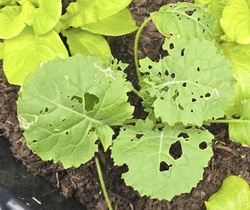
Kale is prone to common brassica pests, including cabbage worms and loopers, aphids, flea beetles, and slugs. Inspect leaves regularly, hand-pick caterpillars, hose off aphids, and use floating row covers to exclude pests. Fungal issues like downy mildew and black rot can appear in wet, crowded conditions, so space plants for airflow and rotate planting sites between seasons.
Seasonal Care Tips
Plant in early spring or late summer for cool-season growth. Keep soil evenly moist, mulch to moderate temperature, and feed regularly. Ornamental kale develops its brightest color as nights turn cold in fall. Protect from prolonged heat, which triggers bolting, and use row covers to guard against pests. In mild regions, plants may persist through winter for lasting cool-season display.
Frequently asked questions
Why is my kale bolting?
Bolting, when the plant sends up a flower stalk, is triggered by heat and by the plant's natural second-year cycle. Grow kale in cool seasons and provide afternoon shade in warm spells to delay it.
Can I grow ornamental kale in containers?
Yes. Use a fertile, moisture-retentive potting mix in a pot at least a foot deep with drainage holes, keep it evenly moist, and feed regularly, since container plants use up nutrients faster.
How cold-hardy is kale?
Very. Kale tolerates frost and light freezes, and cool weather actually intensifies the color and texture of ornamental types, making it a popular fall and winter display plant.
How do I keep pests off my kale?
Inspect regularly, hand-pick caterpillars, hose off aphids, and use floating row covers to exclude cabbage worms and flea beetles. Good spacing and airflow also reduce pest and disease pressure.
Kale identified by the community
Recent Kale specimens identified with Plant Identifier.