
How to Care for Katsura Tree
Grow the elegant Katsura Tree (Cercidiphyllum japonicum) with consistently moist soil and its signature spectacular fall color.
Read the full Katsura Tree encyclopedia entry →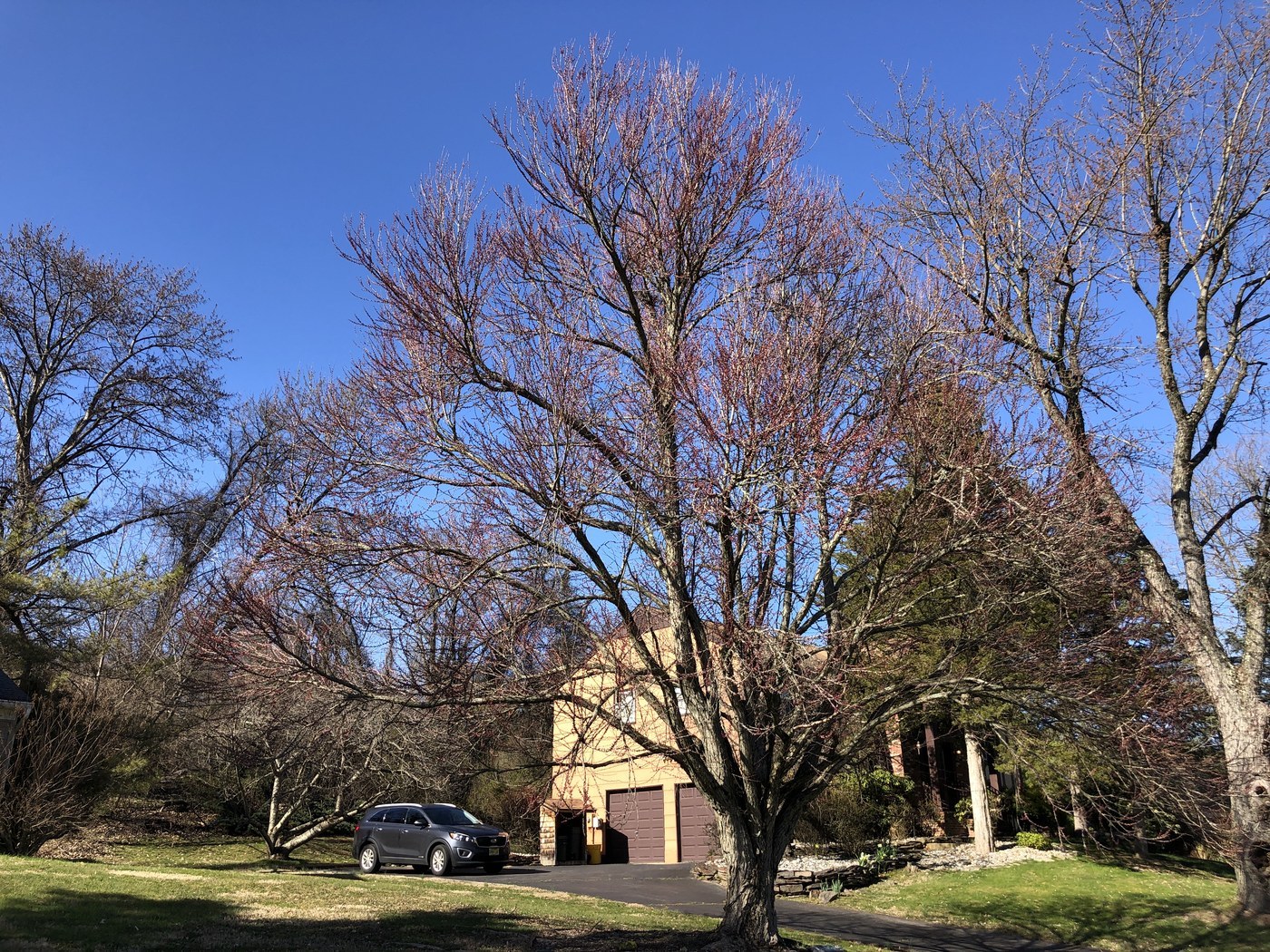
The Katsura Tree (Cercidiphyllum japonicum) is a graceful deciduous shade tree admired for its heart-shaped blue-green leaves and spectacular fall color that shifts through gold, apricot, and rose. As leaves turn in autumn, they release a sweet caramel-like fragrance that drifts through the garden.
Light
Katsura grows best in full sun to part shade. Full sun encourages the strongest fall color and a dense, well-formed canopy, while afternoon shade is helpful in hotter regions to prevent leaf scorch. Young trees especially benefit from some protection while they establish.
Water
Provide consistently moist soil. Katsura is not drought tolerant and its leaves scorch and drop in dry conditions. Water deeply and regularly, particularly during the first several years and through summer heat. Mulching over the root zone helps hold moisture and buffer the soil.
Soil & Potting
Plant in deep, fertile, well-drained soil that stays evenly moist. Katsura prefers slightly acidic to neutral ground rich in organic matter but adapts to a range of soils as long as moisture is steady. It dislikes both drought and prolonged waterlogging.
Humidity & Temperature
This tree favors temperate climates with reliable rainfall. It is cold hardy and handles cold winters well, but suffers in hot, dry, windy sites. Consistent atmospheric and soil moisture keeps foliage looking its best through summer.
Feeding
Feed young trees with a balanced slow-release fertilizer in early spring to support establishment. Mature Katsuras in decent soil need little supplemental feeding; an annual layer of compost or organic mulch generally maintains healthy growth and good leaf color.
Propagation
Katsura is propagated from seed, which benefits from a period of cold stratification, or from softwood cuttings taken in early summer under mist. Selected cultivars, including weeping forms, are usually grafted or grown from cuttings to preserve their form.
Repotting / Pruning
Prune in late winter to early spring to shape young trees and establish a strong central leader or multi-stem framework. Remove dead, damaged, or crossing branches. Mature trees need little pruning and develop a naturally rounded, spreading habit.
Common Problems & Pests
Katsura is relatively pest and disease resistant. The main issue is leaf scorch and premature leaf drop caused by drought, heat, or wind, so consistent watering is the best defense. Occasional trunk sunscald can affect young thin-barked trees; a wrap or shade in the first winters helps.
Seasonal Care Tips
Plant in spring or early fall in a site with room for its spreading canopy. Mulch and water deeply through summer to prevent scorch. Enjoy the fragrant fall display, then rake and refresh mulch before winter. Protect young trunks from sunscald in their first couple of seasons.
Frequently asked questions
Why are my Katsura Tree's leaves scorching and dropping in summer?
Leaf scorch and early drop are almost always caused by dry soil, heat, or wind. Water deeply and consistently and add mulch over the root zone to keep moisture steady.
How much sun does a Katsura Tree need?
Full sun to part shade. Full sun gives the best fall color and densest form, while afternoon shade helps prevent scorch in hot climates.
When is the best time to prune a Katsura Tree?
Prune in late winter to early spring while dormant, shaping young trees and removing dead or crossing branches. Mature trees rarely need pruning.
Is the Katsura Tree drought tolerant?
No. It needs consistently moist soil and struggles in drought, so plan for regular watering, especially during establishment and summer dry spells.