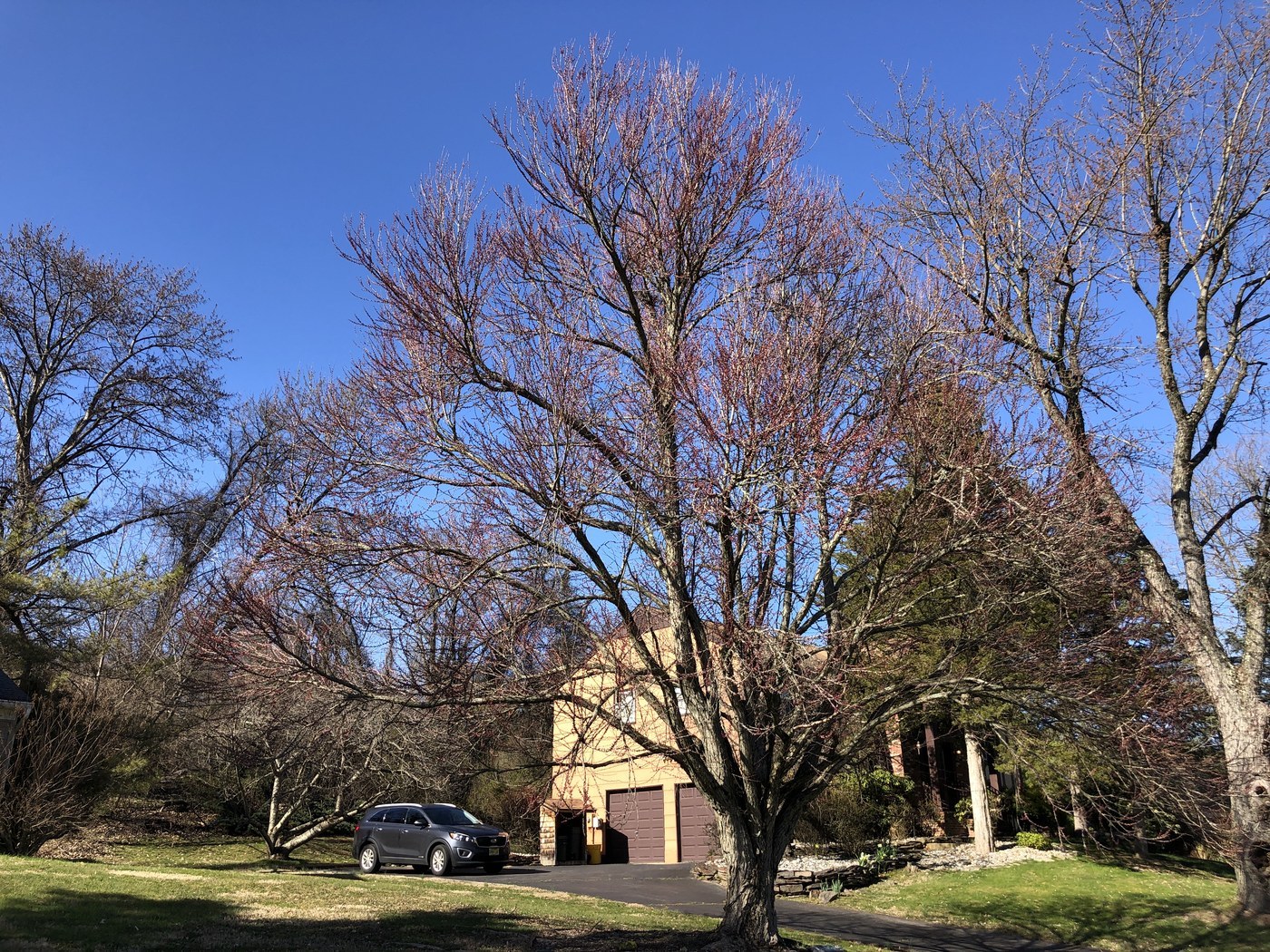
Katsura Tree
Cercidiphyllum japonicum
A graceful Asian shade tree with heart-shaped blue-green leaves that turn gold and apricot in fall, famously releasing a sweet scent of burnt sugar or cotton candy.
- Light
- Full sun to part shade
- Water
- Consistently moist soil
- Difficulty
- Moderate
Got a plant like this?
Identify any plant from a photo, free.
Overview
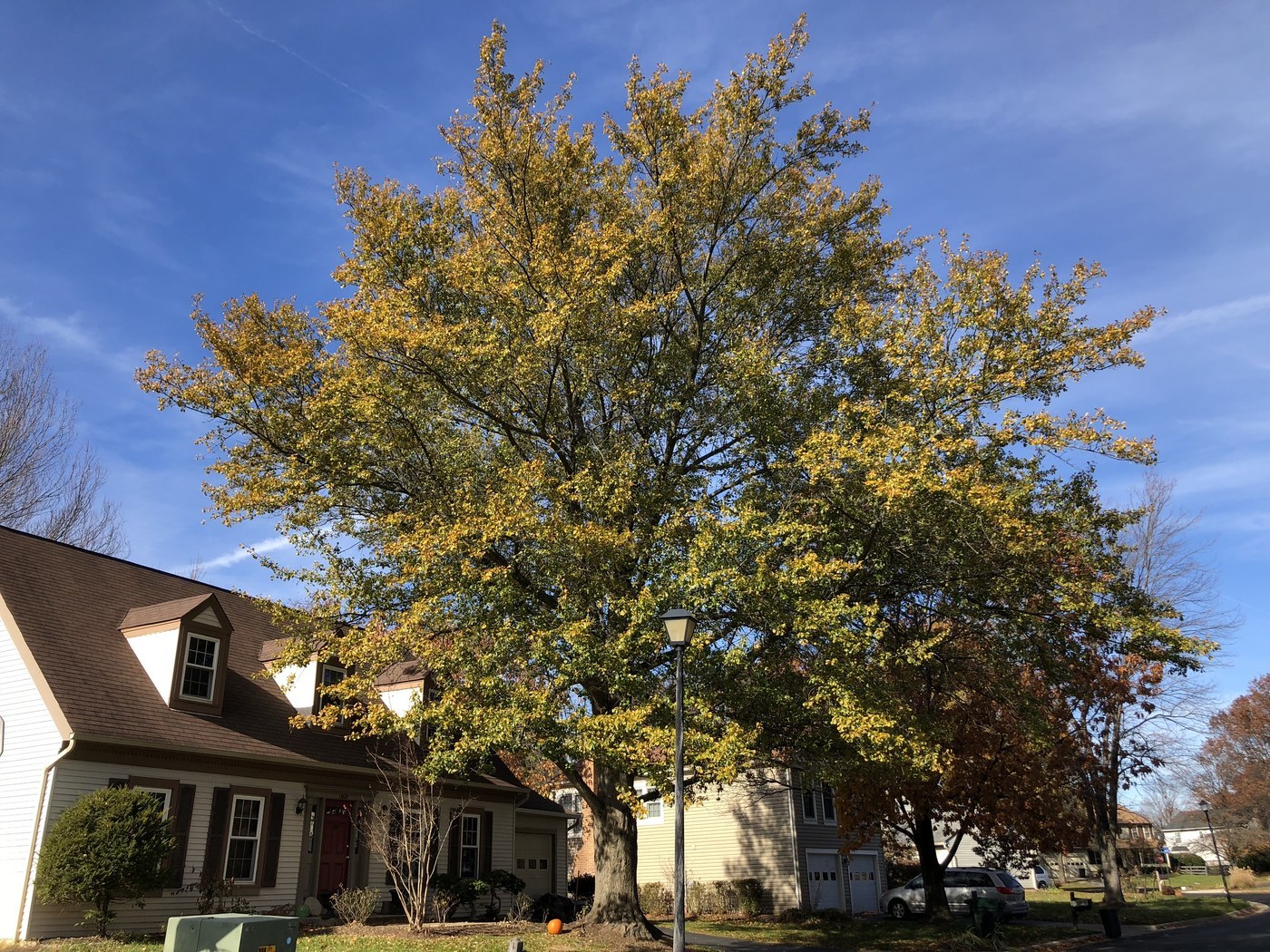
Katsura is an elegant deciduous tree from Japan and China, prized for its delicate, rounded, heart-shaped leaves and refined pyramidal-to-rounded form. New foliage emerges reddish-purple, matures to soft blue-green, and turns shades of yellow, gold, and apricot in autumn.
Its most celebrated trait is the sweet fragrance — reminiscent of burnt sugar, caramel, or cotton candy — released by the falling autumn leaves. It makes a beautiful specimen or shade tree where soils stay moist.
How to identify it
Heart-shaped leaves and fall fragrance distinguish it:
- Leaves small, rounded, heart-shaped with scalloped margins, arranged oppositely; blue-green in summer, reddish-purple when young
- Fall color yellow to apricot-orange, accompanied by a sweet burnt-sugar scent
- Habit often multi-stemmed with a rounded or pyramidal crown; weeping cultivars exist
- Bark brown, becoming shaggy and peeling with age
- Flowers tiny and inconspicuous, appearing before the leaves; trees are dioecious
- Size 40-60 ft tall, sometimes larger
Care & growing
Needs reliable moisture, especially when young.
- Light: Full sun to partial shade
- Water: Keep soil consistently moist; young trees are sensitive to drought and may scorch
- Soil: Rich, moist, well-drained, slightly acidic soil is ideal
- Temperature: Hardy in USDA zones 4-8
- Feeding: Light feeding in spring if growth is weak
- Propagation: From seed or softwood cuttings; named forms are grafted
Habitat & origin
Native to Japan and China, where it grows in moist mountain woodlands and along streams and can become a very large forest tree.
In cultivation it is a popular ornamental in temperate gardens across North America, Europe, and Asia, favored for lawns, parks, and as a moist-site specimen.
Frequently asked questions
Why does it smell like cotton candy?
As the leaves senesce and fall in autumn they release maltol and related compounds, producing a sweet burnt-sugar or caramel aroma.
Is it related to the redbud?
No, though its heart-shaped leaves resemble redbud's, the genus name Cercidiphyllum simply means 'redbud-leaved.'
Why are my katsura's leaves scorching?
It is sensitive to dry soil and heat; insufficient water, especially in young trees, causes leaf-edge scorch.
Does it need a male and female tree?
It is dioecious, but it is grown for foliage, not fruit, so a single tree of either sex is fine for ornamental use.
Katsura Tree guides
In-depth guides for identifying, growing, and caring for Katsura Tree.
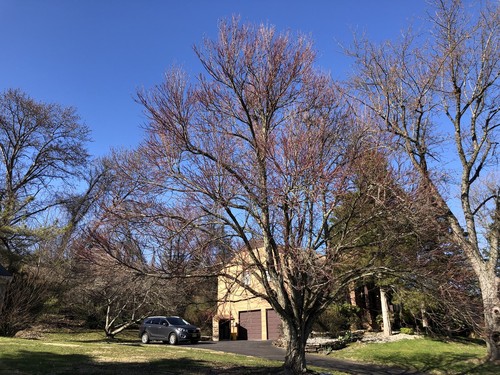
How to Care for Katsura Tree
Grow the elegant Katsura Tree (Cercidiphyllum japonicum) with consistently moist soil and its signature spectacular fall color.
Katsura Tree Identification Guide
Identify katsura by its rounded, heart-shaped opposite leaves, delicate spring-to-fall color shifts, and the cotton-candy scent of its autumn foliage. Covers leaves, bark, look-alikes, and habitat.