
Katsura Tree Identification Guide
Identify katsura by its rounded, heart-shaped opposite leaves, delicate spring-to-fall color shifts, and the cotton-candy scent of its autumn foliage. Covers leaves, bark, look-alikes, and habitat.
Read the full Katsura Tree encyclopedia entry →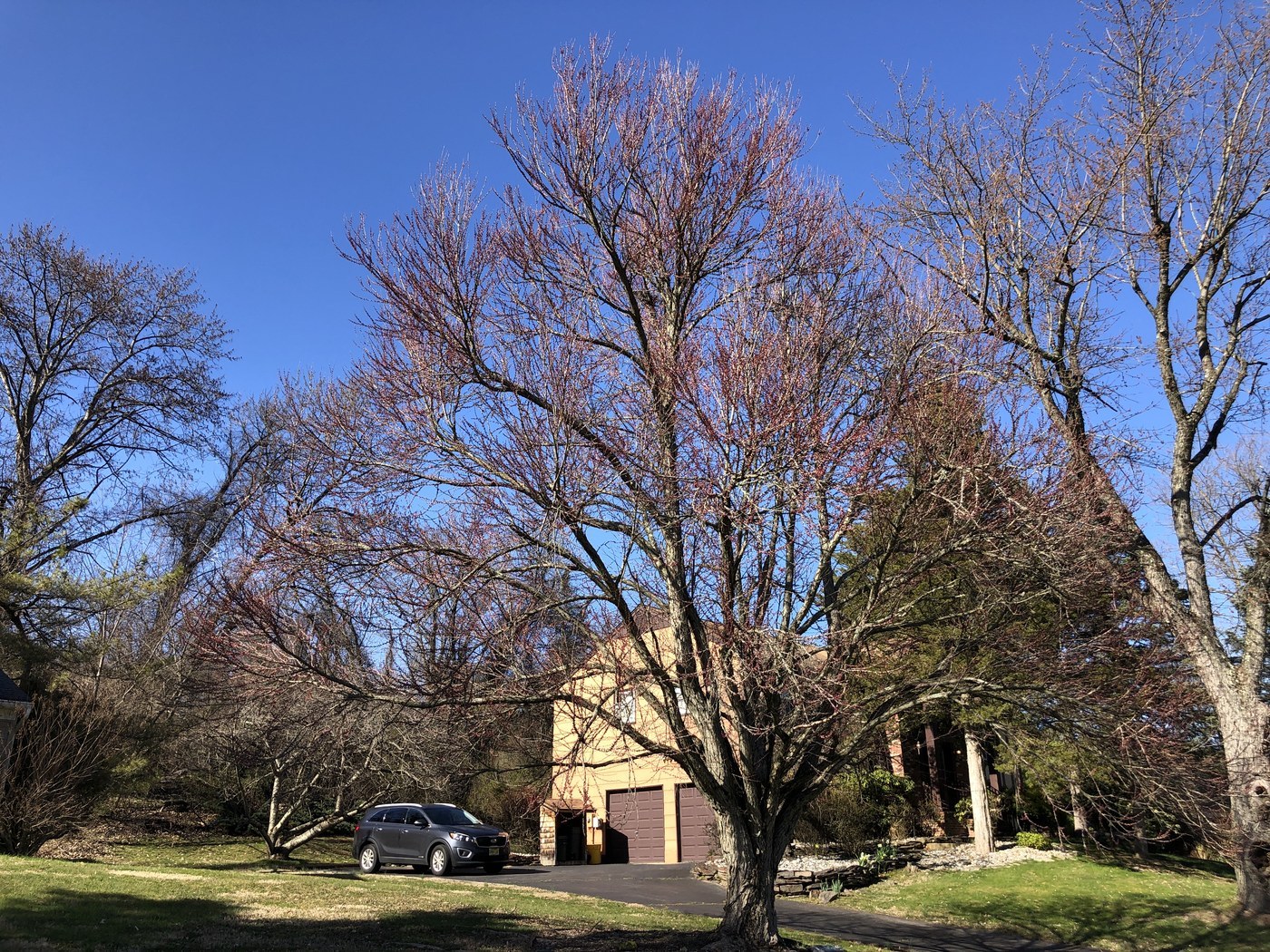
Key Identifying Features
Katsura tree (Cercidiphyllum japonicum) is a graceful ornamental from Japan and China, beloved for its delicate foliage and an autumn fragrance often described as burnt sugar, caramel, or cotton candy. Identify it by its small, rounded, heart-shaped leaves arranged in opposite pairs, fine-textured crown, and the sweet smell of falling leaves. It commonly grows 40-60 feet, sometimes multi-trunked.
Leaves & Stems
- Leaves are small (2-4 inches), nearly round to broadly heart-shaped (cordate), with a notched base and scalloped/crenate margins.
- They are borne oppositely on the twig — uncommon and a helpful clue.
- Foliage opens reddish-purple/bronze in spring, matures to blue-green in summer, and turns soft yellow, apricot, and pink in fall.
- Each leaf has palmate veins radiating from the base, somewhat like a redbud leaf but smaller and paired.
Fragrance
A signature trait: as the leaves senesce and dry in autumn, they release a distinctive sweet caramel/cotton-candy scent carried on the air around the tree.
Bark & Form
- Bark is gray-brown, becoming shaggy and slightly peeling/furrowed on mature trunks.
- The habit is rounded and often multi-stemmed, with a fine, airy branch structure. Weeping cultivars exist.
Flowers & Fruit
- The tree is dioecious; tiny petal-less flowers appear before the leaves (reddish male, greenish female) and are inconspicuous.
- Female trees bear small, banana-shaped pods (follicles) clustered along the twigs.
How to Tell It Apart from Look-Alikes
- Eastern redbud (Cercis canadensis) has similar heart-shaped leaves but they are alternate, larger, and untoothed, and redbud has showy pink spring flowers along the branches.
- Linden/basswood (Tilia) leaves are larger, alternate, asymmetrical at the base, and sharply toothed.
- The combination of opposite arrangement + small crenate heart-shaped leaves + autumn caramel scent is unique to katsura.
Where You'll Find It
Katsura is planted as a specimen and lawn tree in parks, campuses, and gardens in temperate regions; it is not native to North America. It prefers moist, well-drained soil and some shelter. Look for it where its delicate, color-shifting foliage is featured.
Quick ID Checklist
- Small, rounded, heart-shaped leaves with scalloped edges
- Leaves in opposite pairs
- Spring bronze-purple, summer blue-green, fall yellow/apricot/pink
- Caramel/cotton-candy scent from autumn leaves
- Often multi-trunked with shaggy gray bark
Opposite, scallop-edged little heart leaves plus a sweet caramel autumn fragrance confirm katsura.
Frequently asked questions
What does a katsura tree smell like in fall?
Its drying autumn leaves give off a distinctive sweet scent often compared to burnt sugar, caramel, or cotton candy, which is one of the easiest ways to confirm the tree.
How do I tell katsura from eastern redbud?
Both have heart-shaped leaves, but katsura's are smaller, scallop-edged, and arranged in opposite pairs, while redbud's are larger, smooth-edged, alternate, and the tree blooms pink in spring.
Do katsura trees flower?
Yes, but the small reddish or greenish petal-less flowers appear before the leaves and are easy to overlook; the tree is grown for foliage, not blooms.
Why are some katsura trees multi-trunked?
Katsura naturally tends to grow with several stems and an airy rounded crown, and many ornamental specimens are deliberately grown as multi-trunked forms.