
How to Care for Kentia Palm
The elegant, easygoing Kentia Palm tolerates low light and neglect, bringing graceful arching fronds to any room.
Read the full Kentia Palm encyclopedia entry →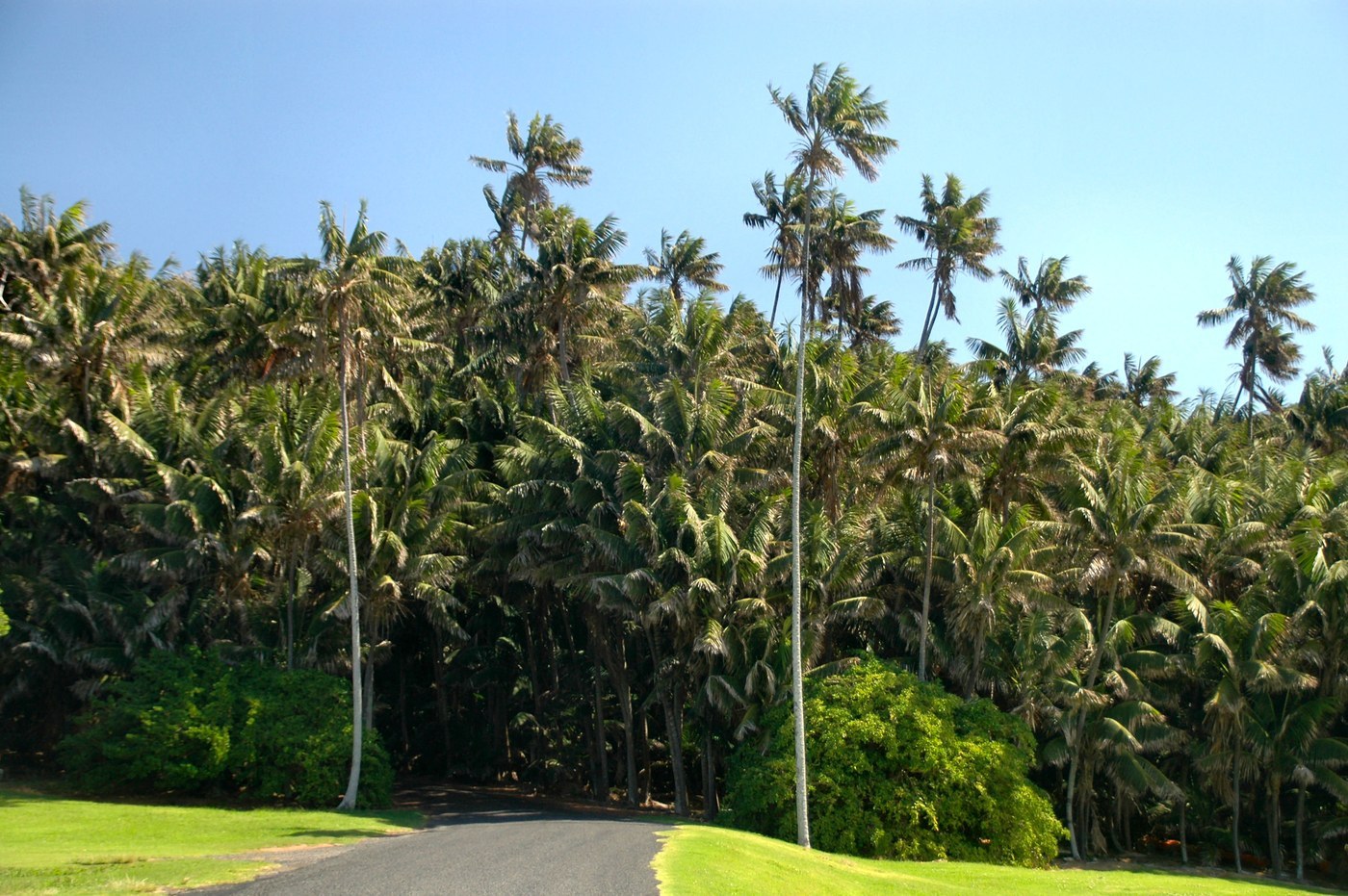
Kentia Palm (Howea forsteriana) is one of the most graceful and forgiving of all indoor palms, prized for its slender green stems and elegant arching fronds. Tolerant of lower light and a little neglect, it is a classic easy-care houseplant that lends a refined, tropical feel to interiors.
Light
Kentia Palm thrives in bright indirect to medium light and famously tolerates lower-light corners better than most palms. Avoid harsh direct sun, which scorches and bleaches the fronds. An east-facing aspect or a position a little back from a brighter window is ideal. Rotate the pot occasionally so the plant grows evenly on all sides.
Water
Water when the top inch of soil dries out, moistening thoroughly and letting excess drain away. Kentia dislikes both drought and waterlogging - keep the soil lightly moist but never soggy, and always empty the saucer after watering. Reduce watering in winter when growth slows. Erratic extremes are the main cause of browning fronds.
Soil & Potting
Use a free-draining, peat-based or loam-based potting mix with added perlite or sand to keep it open. The container must have good drainage holes. Kentia Palms prefer a relatively snug pot and actually flower and grow best when their roots are a little confined, so resist the urge to overpot. Multiple stems are often grouped in one pot for a fuller look.
Humidity & Temperature
Kentia enjoys average-to-warm room temperatures of about 18-24C and appreciates moderate to high humidity, though it copes with ordinary indoor air better than fussier palms. Keep it away from cold drafts, heating vents and radiators, all of which dry and brown the frond tips. Mist occasionally or use a pebble tray in very dry rooms.
Feeding
Feed monthly during spring and summer with a balanced liquid fertilizer diluted to half strength, or use a slow-release palm food. Kentia is a light feeder and sensitive to salt buildup, so avoid overfeeding, which can burn the root tips. Stop feeding in autumn and winter while growth is slow.
Propagation
Kentia Palm is grown from seed and cannot be propagated from cuttings or division of a single-stemmed plant. Seed germination is very slow and demands consistent warmth, so home propagation is rarely practical - most growers simply buy established plants, which are often sold as clustered multiples in one pot.
Repotting / Pruning
Repot only every 2-3 years, or when roots fill the pot, moving up just one size in spring and handling the delicate roots gently. Pruning is minimal: remove entirely brown or dead fronds by cutting them off at the base, but never cut into healthy green fronds or the growing tip, as palms grow from a single central point.
Common Problems & Pests
Brown frond tips are the most common complaint, usually caused by dry air, inconsistent watering, or salt and fluoride buildup from tap water - try using filtered or rainwater and maintaining humidity. Overwatering leads to yellowing and root rot. Indoors, watch for spider mites in dry conditions and for scale and mealybugs on the fronds; wipe the leaves periodically and treat any infestation with insecticidal soap.
Seasonal Care Tips
In spring and summer, keep the soil lightly moist, feed monthly and enjoy the flush of new fronds. Through autumn and winter, cut back on water and stop feeding as growth slows, and keep the palm well away from cold drafts and dry heating. Wipe the fronds occasionally to remove dust and keep them breathing and looking their best year-round.
Frequently asked questions
Why are the tips of my Kentia Palm turning brown?
Brown tips usually stem from dry air, inconsistent watering, or mineral and fluoride buildup from tap water. Keep humidity up, water evenly, and try filtered or rainwater to reduce the problem.
Can a Kentia Palm survive in low light?
Yes, it is one of the most shade-tolerant palms and handles medium to lower light well. It grows fastest in bright indirect light, but avoid harsh direct sun, which scorches the fronds.
How often should I repot a Kentia Palm?
Only every 2-3 years or once roots fill the pot. Kentia prefers to be a little pot-bound, so move up just one size and handle its delicate roots carefully.
Can I propagate my Kentia Palm by division?
No. Kentia grows from a single stem and is raised only from seed, which is slow and demanding. What look like clumps are actually several seed-grown plants potted together.