
How to Care for Kentucky Coffeetree
Grow Kentucky Coffeetree, a tough, drought-tolerant shade tree with dramatic bipinnate foliage and sculptural winter branching.
Read the full Kentucky Coffeetree encyclopedia entry →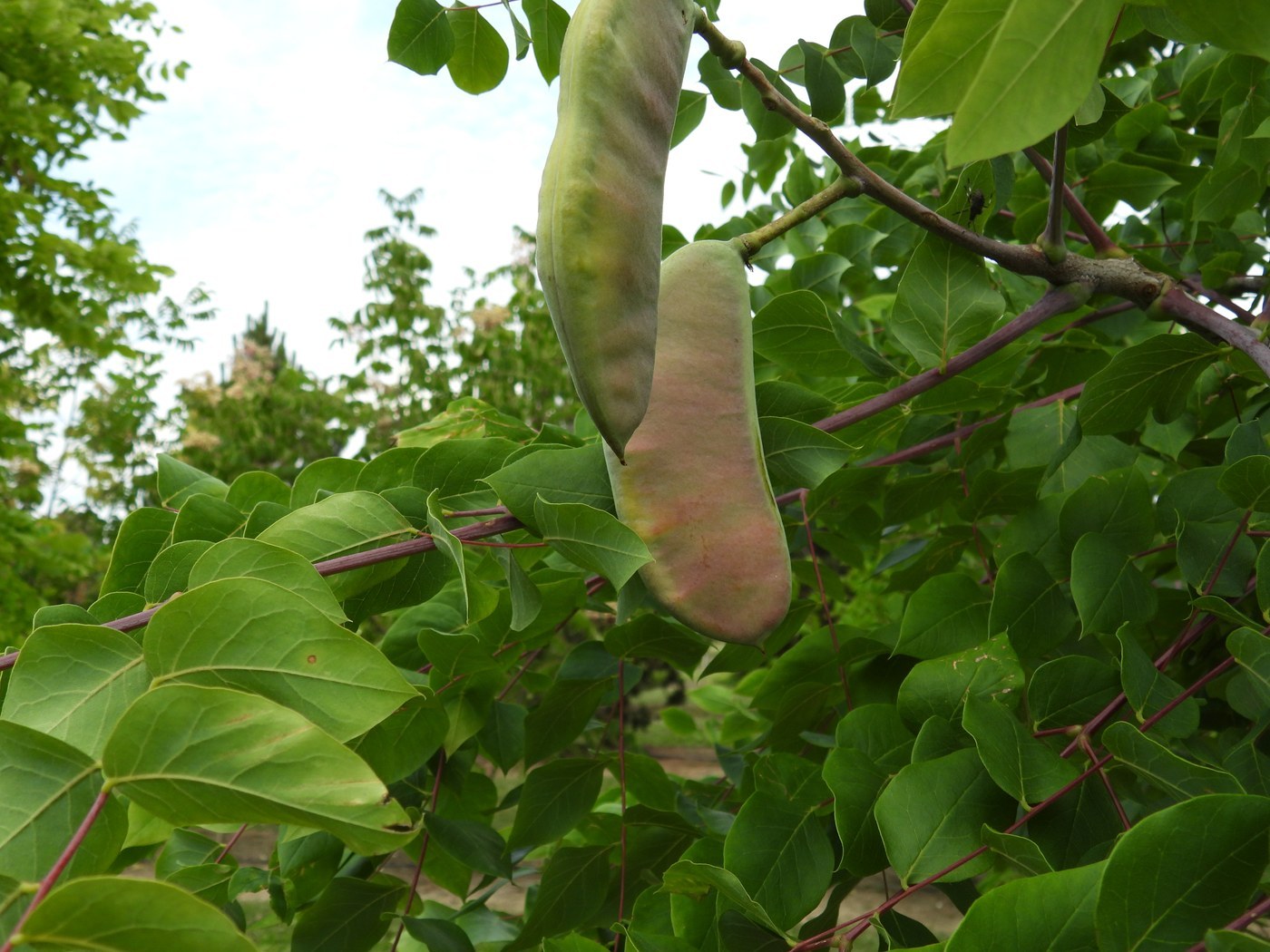
Kentucky Coffeetree (Gymnocladus dioicus) is a large, slow-growing native shade tree prized for its coarse, architectural winter silhouette and enormous doubly-compound leaves that cast light, dappled shade. It is remarkably tolerant of tough urban conditions, making it an easy choice once established.
Light
Plant in full sun for the best form and densest canopy. This tree demands at least six to eight hours of direct light daily and will grow leggy and sparse in shade. Give it an open site where the crown can spread 40 to 60 feet.
Water
Water deeply and regularly through the first two or three growing seasons to build a strong root system. Once established, Kentucky Coffeetree is notably drought-tolerant and needs supplemental water only during prolonged dry spells. Provide a slow, deep soak at the drip line rather than frequent shallow watering.
Soil & Potting
Highly adaptable, it thrives in deep, moist, fertile loam but tolerates clay, sandy soils, high pH, and occasional flooding. It also handles compacted urban soils and pollution well. Avoid permanently waterlogged sites. A layer of mulch over the root zone conserves moisture and moderates soil temperature.
Humidity & Temperature
Fully cold-hardy through USDA zones 3 to 8, it withstands harsh winters, summer heat, and drying winds. No humidity considerations apply outdoors. Its late leaf-out and early leaf-drop are natural adaptations, not signs of stress.
Feeding
Established trees rarely need fertilizer. For young trees, a light application of balanced slow-release fertilizer in early spring can support establishment. Rich soil and annual leaf-mulch decomposition usually supply ample nutrition.
Propagation
Propagate from seed, which has an extremely hard coat requiring scarification (nicking or an acid/hot-water soak) before sowing to allow water uptake. Root cuttings and suckers can also be used to produce new plants. Seedlings develop a deep taproot, so transplant while young.
Repotting / Pruning
Prune in late winter while dormant to establish a strong central leader and well-spaced scaffold branches; the tree naturally develops a sturdy, open structure. Remove crossing, dead, or damaged limbs. Its coarse branching means fewer, cleaner cuts are best. Minimal pruning is needed once the framework is set.
Common Problems & Pests
Kentucky Coffeetree is famously trouble-free, with very few serious pests or diseases. Occasional leaf spot may appear in wet seasons but is cosmetic. The large seed pods and heavy leaf litter create seasonal cleanup where a tidy lawn is desired. Its thick twigs and late foliage sometimes make it look dead in spring before it finally leafs out.
Seasonal Care Tips
Spring: expect very late leaf-out; be patient before assuming winter damage. Summer: enjoy the light shade and water only in drought. Fall: leaves and pinnae drop early, often turning soft yellow. Winter: the bold, contorted branch pattern is a landscape highlight; do structural pruning now.
Frequently asked questions
Why does my Kentucky Coffeetree leaf out so late?
Very late spring leaf-out and early fall drop are normal traits of this tree, giving it one of the shortest leafy seasons of any hardy shade tree. A bare tree in late spring is almost always still healthy, not dead.
How fast does it grow?
It is slow to moderate, typically adding about 12 to 18 inches per year, and can take decades to reach its mature height of 40 to 60 feet. Patience is rewarded with a long-lived, low-maintenance tree.
Does it tolerate city conditions?
Yes. It handles compacted soil, drought, road salt, air pollution, and a wide pH range, which makes it an excellent, durable street and park tree.
Can I grow one without messy pods?
The species is dioecious, so only female trees bear the large pods. Planting a male or a seedless named cultivar avoids most of the pod litter.