Kentucky Coffeetree
Gymnocladus dioicus
A bold, coarse-textured native tree with enormous twice-compound leaves and thick leathery seedpods that persist into winter.
- Light
- Full sun
- Water
- Average; drought-tolerant once established
- Difficulty
- Easy
Got a plant like this?
Identify any plant from a photo, free.
Overview
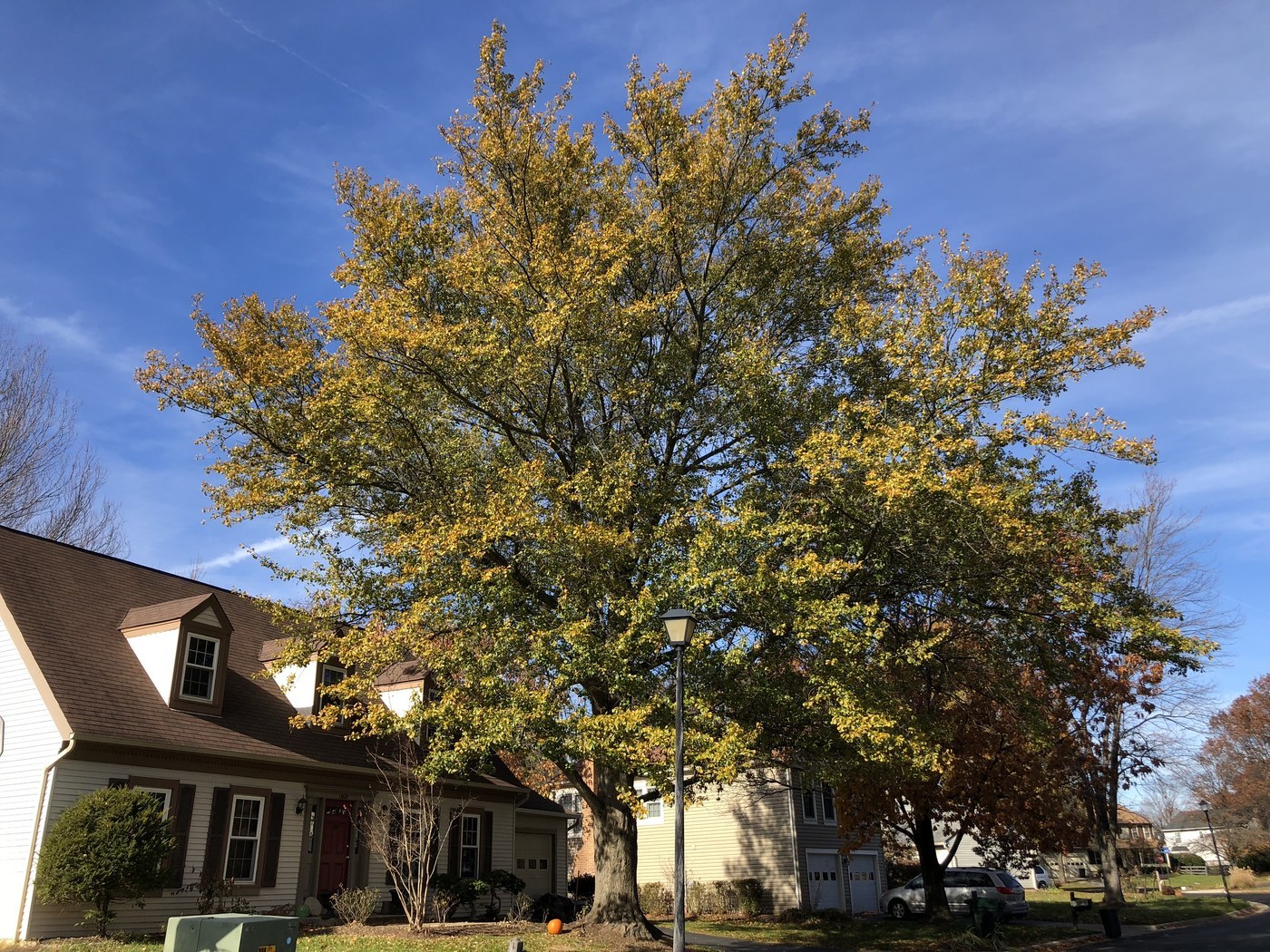
Kentucky coffeetree is a striking, architectural shade tree with some of the largest leaves of any North American hardwood — bipinnately compound and up to three feet long. Its bold form, picturesque bare-winter silhouette, and toughness make it a fine, underused urban tree.
The tree is largely free of serious pests and tolerates difficult city conditions, making it an underused choice for tough sites.
How to identify it
Huge compound leaves and stout twigs are distinctive:
- Leaves enormous, bipinnately compound (twice-divided), 1-3 ft long, with many small leaflets; emerge pinkish, mature blue-green, turn yellow in fall
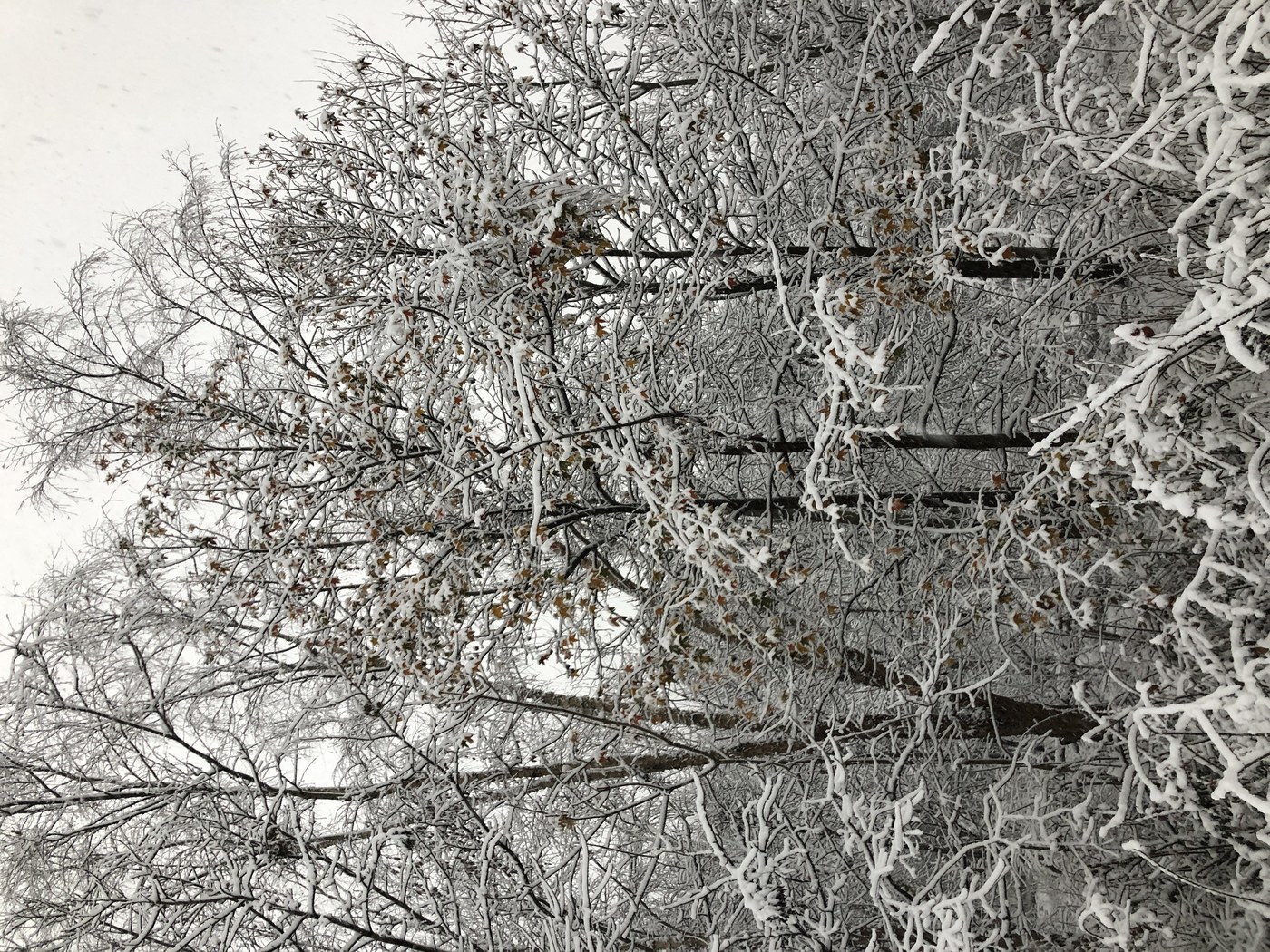
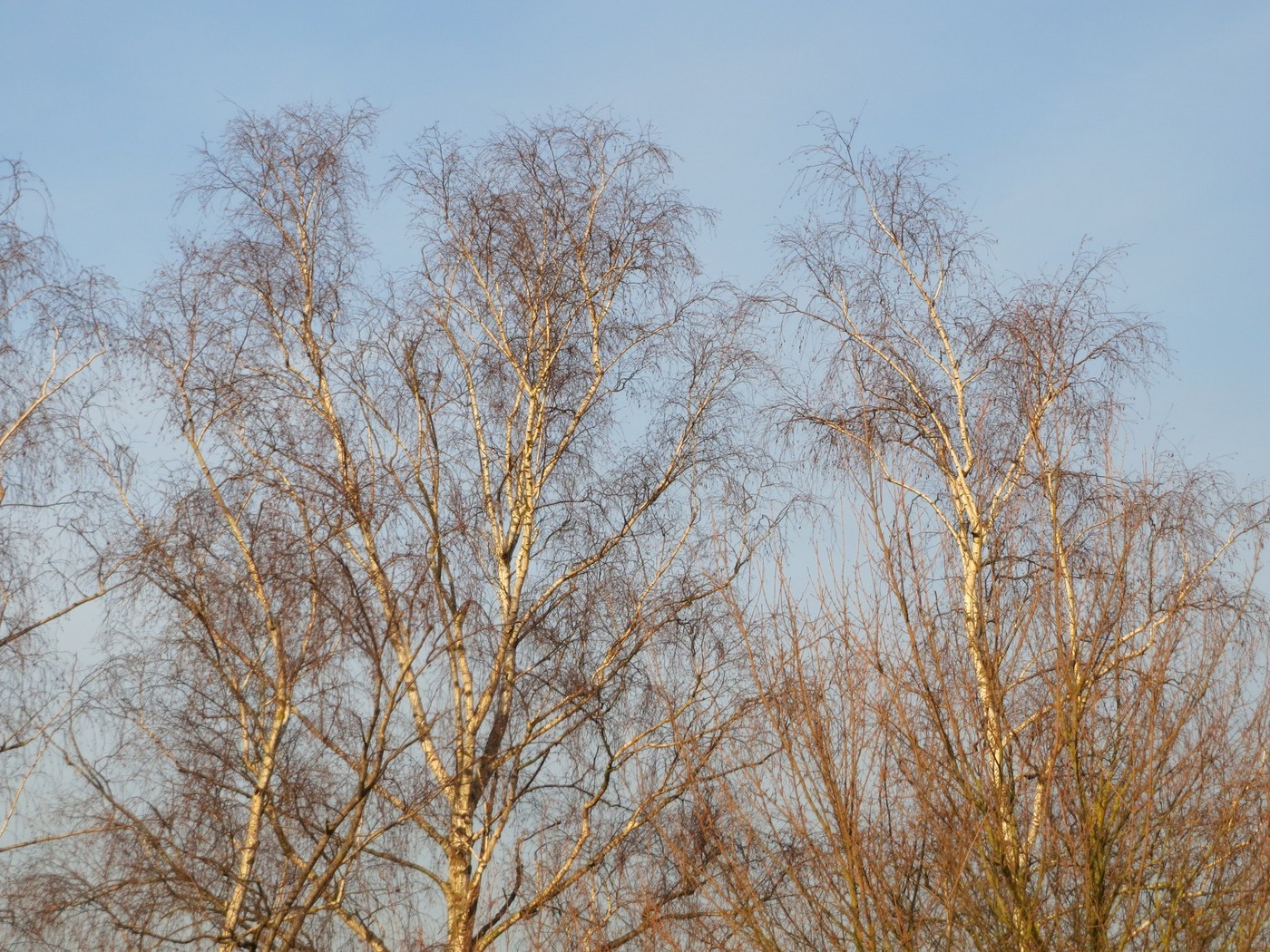
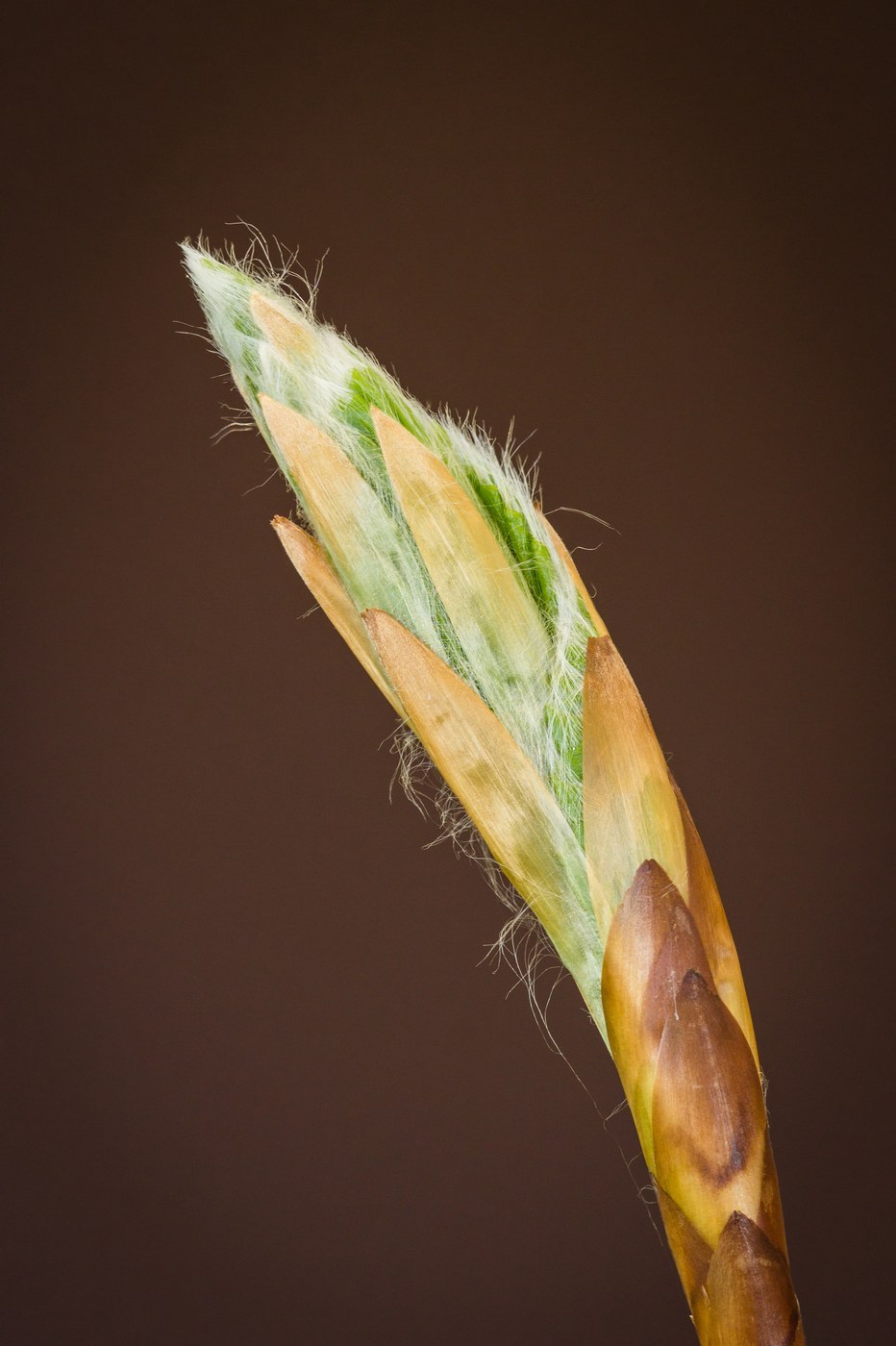
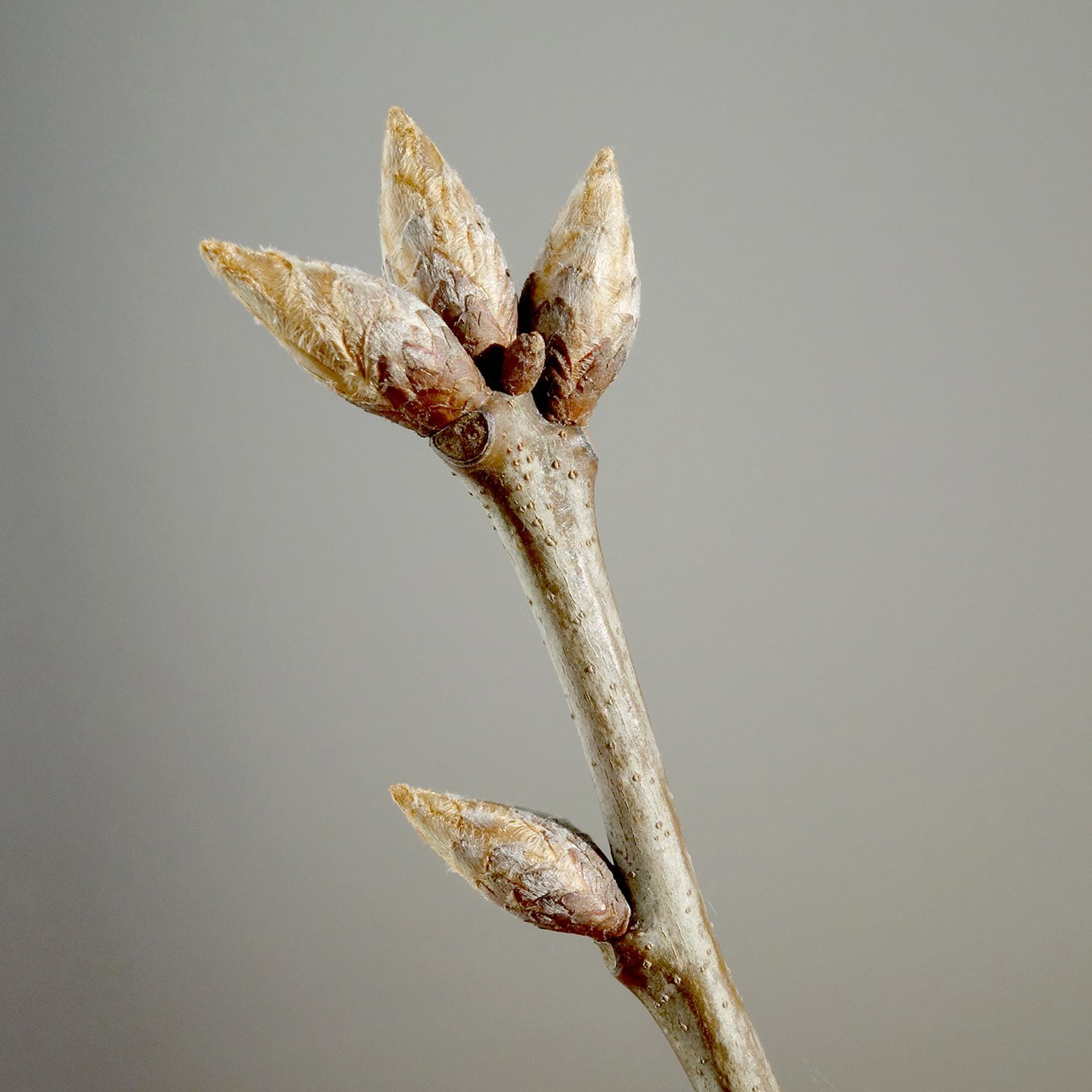
- Twigs very stout and blunt, leaving large leaf scars; the bare winter tree looks coarse and 'naked'
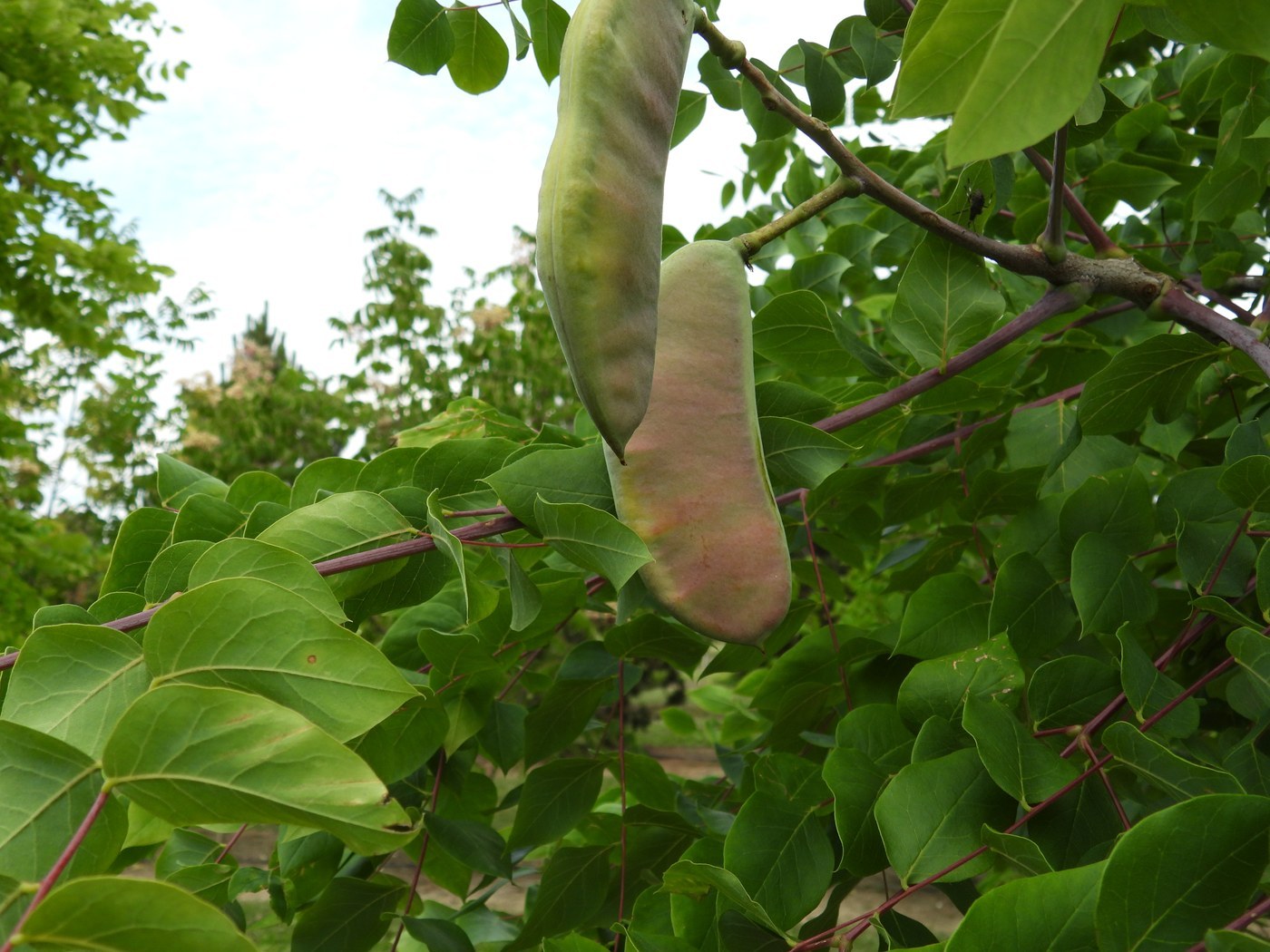
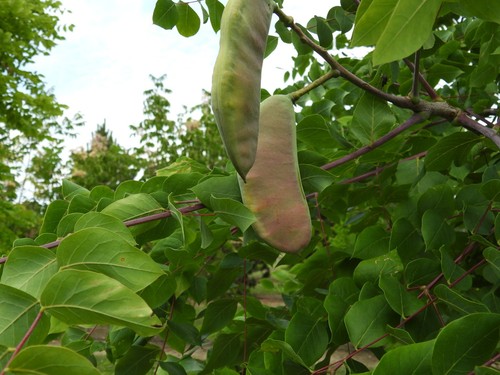
- Pods thick, flat, leathery, reddish-brown, 5-10 in, containing large hard seeds in sticky pulp; persist into winter
- Bark gray-brown with scaly, recurved ridges
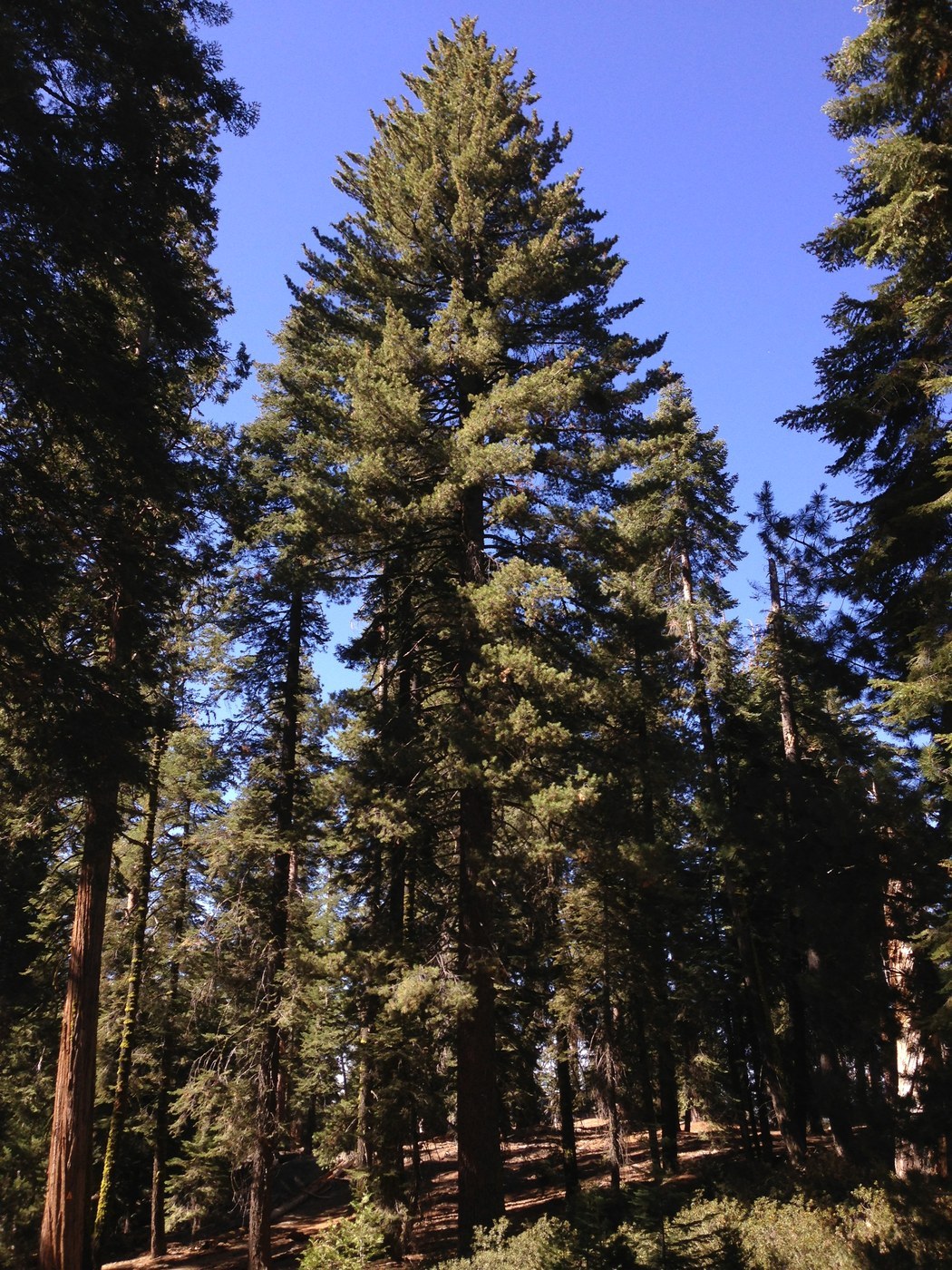
- Form open, irregular crown 60-75 ft tall; dioecious (separate male and female trees)
Care & growing
Tough and adaptable.
- Light: Full sun
- Water: Average moisture; drought-tolerant once established
- Soil: Tolerates a wide range including clay, limestone, and urban soils; prefers deep, rich, moist loam
- Temperature: Hardy in USDA zones 3-8
- Feeding: Rarely necessary
- Propagation: From scarified seed (the hard coat needs nicking or acid treatment) or root cuttings; podless male cultivars avoid litter
Habitat & origin
Native to the midwestern and central United States, scattered from the Great Lakes and Ontario south to Oklahoma and Tennessee. It is naturally uncommon, occurring in small groves in moist bottomlands, floodplains, and rich woods.
Its thick seeds may once have been dispersed by now-extinct megafauna, which partly explains its patchy distribution. It is increasingly planted as a durable street and park tree.
Frequently asked questions
Why does it look bare so long?
It leafs out late and drops leaves early, and its stout, sparse winter twigs give it a striking 'naked' look — hence the old name 'stump tree.'
How do I avoid the messy pods?
Plant a male (podless) cultivar; the species is dioecious, so only female trees produce pods.
How big does Kentucky coffeetree get?
It forms an open, irregular crown typically 60 to 75 ft tall, and is dioecious, with separate male and female trees.
How do I recognize Kentucky coffeetree?
Look for enormous bipinnately compound leaves up to 3 ft long, very stout blunt twigs, scaly gray-brown bark, and thick leathery reddish-brown pods that persist into winter.
Kentucky Coffeetree guides
In-depth guides for identifying, growing, and caring for Kentucky Coffeetree.
How to Care for Kentucky Coffeetree
Grow Kentucky Coffeetree, a tough, drought-tolerant shade tree with dramatic bipinnate foliage and sculptural winter branching.
Kentucky Coffeetree Identification Guide
Identify Kentucky coffeetree by its huge bipinnately compound leaves, thick reddish seed pods, and coarse winter silhouette. Covers leaves, pods, bark, look-alikes, and habitat.