
How to Care for Key Lime Pie Plant
Adromischus cristatus, the Key Lime Pie plant, is a compact succulent with fan-shaped crinkled leaves; give it bright light and sparse watering.
Read the full Key Lime Pie Plant encyclopedia entry →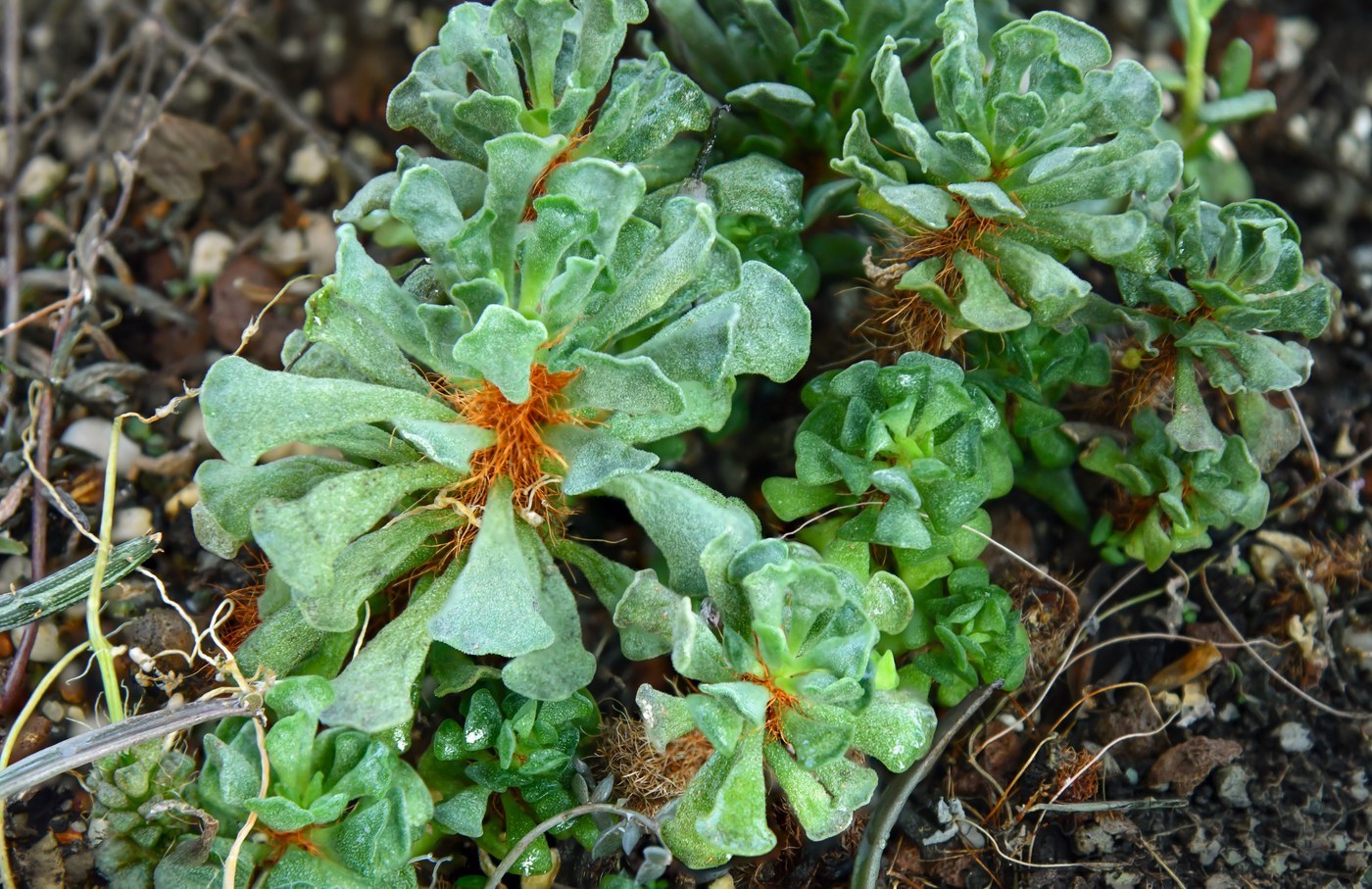
The Key Lime Pie plant (Adromischus cristatus) is a small, slow-growing succulent named for its fan-shaped, wavy-edged leaves with crinkled tips and distinctive reddish aerial roots along the stem. It is a charming, easy-care collector's succulent that thrives on bright light and a dry regimen.
Light
Provide bright indirect light with some gentle direct sun for the best form and compact growth. A bright windowsill, such as an east- or south-facing exposure, is ideal. Insufficient light causes stretching and loss of the tidy rosette shape. Introduce stronger direct sun gradually to avoid scorching the leaves.
Water
Water sparingly and only after the soil has dried out completely. This is a true succulent that stores water in its leaves and is very sensitive to overwatering. Use the soak-and-dry method: water thoroughly, then wait until the mix is bone dry before watering again. Water even less in winter, when the plant is largely dormant. Overwatering is the fastest way to lose this plant to rot.
Soil & Potting
Use a very well-draining, gritty succulent or cactus mix, ideally amended with extra perlite, pumice, or coarse sand. Plant in a container with drainage holes; an unglazed terracotta pot helps excess moisture evaporate. The roots must never sit in wet soil, so drainage is the single most important factor.
Humidity & Temperature
Adromischus prefers warm, dry conditions and normal-to-low household humidity. Keep it in typical warm indoor temperatures and protect it from frost and cold drafts, as it is not cold hardy. Good air circulation helps keep the foliage dry and reduces rot risk.
Feeding
Feed lightly and infrequently. A dilute, low-strength succulent or balanced fertilizer applied once or twice during the active growing season is plenty. Do not fertilize in winter dormancy. These slow growers need very little supplemental feeding, and overfeeding can cause weak, distorted growth.
Propagation
Key Lime Pie plant propagates readily from individual leaves. Gently twist off a healthy leaf, let the cut end callus over for a few days, then lay it on top of dry succulent mix. Mist lightly and occasionally; tiny roots and a new rosette form at the base over several weeks. Stem cuttings can also be callused and rooted the same way.
Repotting / Pruning
Repot infrequently, only every couple of years or when the plant clearly outgrows its pot, and always into fresh dry mix. Handle the leaves carefully, as they detach easily. Little pruning is needed beyond removing shriveled lower leaves; those detached leaves can be used for propagation. Repot in the active growing season and wait a few days before watering a freshly repotted plant.
Common Problems & Pests
Overwatering and poor drainage leading to soft, mushy, translucent leaves and root or stem rot is by far the biggest risk; keep it dry and gritty. Shriveled, wrinkled leaves indicate underwatering or a plant that needs a thorough soak. Etiolation (stretching) signals too little light. Watch for mealybugs nestled between leaves and treat by dabbing with diluted horticultural oil or insecticidal soap.
Seasonal Care Tips
Water a little more regularly during the warm active growing season, always letting the soil dry fully between drinks, and give bright light. In winter, cut watering back sharply and keep the plant cool, dry, and out of cold drafts. Its slow, steady pace means patience is rewarded with a compact, characterful little succulent.
Frequently asked questions
How often should I water my Key Lime Pie plant?
Only when the soil has dried out completely, using the soak-and-dry method. It is a succulent that stores water in its leaves, so water sparingly and even less in winter to avoid rot.
Why are the leaves on my Adromischus turning mushy and translucent?
That is a sign of overwatering and rot. Let the soil dry out fully, make sure the pot drains freely, and switch to a gritty succulent mix if the current soil holds too much moisture.
How do I propagate the Key Lime Pie plant?
It grows easily from leaves. Twist off a healthy leaf, let it callus for a few days, then set it on dry succulent mix and mist occasionally. A new rosette forms at the base over several weeks.
Why is my Key Lime Pie plant stretching out?
Stretching, or etiolation, means it is not getting enough light. Move it to a brighter spot with some gentle direct sun to keep the fan-shaped leaves compact and tidy.