How to Care for Key Lime
Grow a compact Key Lime tree in full sun with well-drained soil, steady feeding, and warmth for glossy foliage and fragrant blooms.
Read the full Key Lime encyclopedia entry →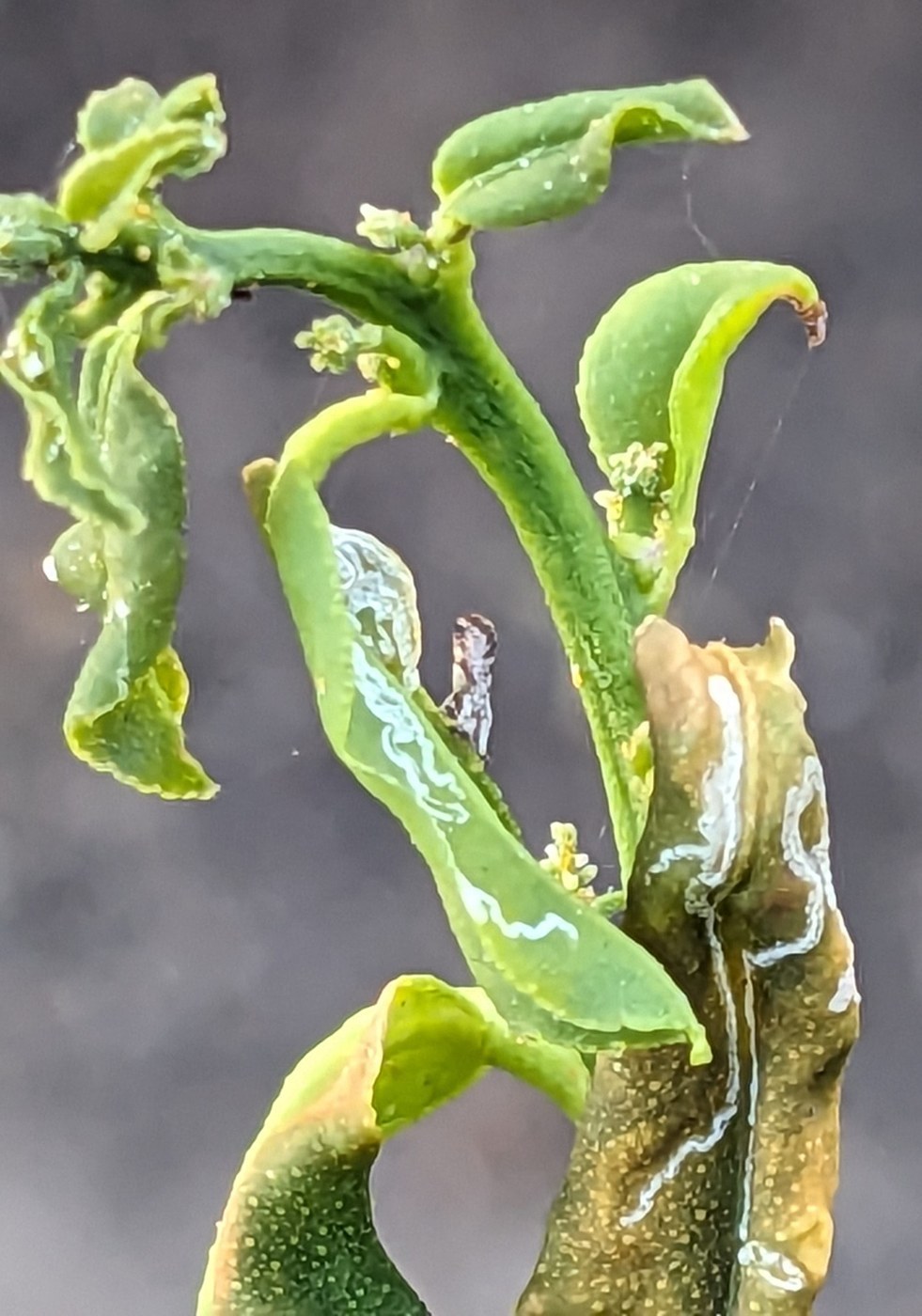
The Key Lime (Citrus × aurantiifolia) is a small, spiny, evergreen citrus tree prized for its glossy foliage, intensely fragrant white blossoms, and rounded fruit. It thrives in warm climates and adapts well to large containers, making it a favorite for patios and sunrooms.
Light
Key Lime demands full sun — at least 6 to 8 hours of direct light daily, and more is better. Outdoors, give it the brightest, most sheltered spot you have. Indoors, place it directly in front of a south- or west-facing window, and supplement with a strong grow light in winter or dim rooms. Sparse growth and weak flowering are the classic signs of too little light.
Water
Water regularly but let the top inch or two of soil dry between waterings. Citrus dislikes soggy roots, so aim for evenly moist — not wet — soil. During active growth and fruiting, container trees may need watering every few days in heat; in cool months, reduce frequency sharply. Deep, thorough soakings that drain freely beat frequent shallow sips. Yellowing leaves with damp soil signal overwatering; leaf curl and drop with dry soil signal underwatering.
Soil & Potting
Use a loose, fast-draining mix. A blend formulated for citrus or cactus, or standard potting soil amended with extra perlite, pine bark, and coarse sand, works well. The goal is a mix that holds some moisture yet drains within seconds. Always use a container with generous drainage holes. Slightly acidic to neutral soil (pH about 6.0–7.0) suits it best.
Humidity & Temperature
Key Lime is decidedly tropical and cold-sensitive. It grows best between 65–85°F (18–29°C) and suffers when temperatures fall toward freezing, so move container plants indoors before the first frost. Moderate humidity is ideal; in very dry indoor air, grouping plants or running a humidifier helps prevent leaf-tip browning. Protect it from cold drafts and sudden temperature swings.
Feeding
Citrus are heavy feeders. Use a fertilizer formulated for citrus, which supplies extra nitrogen plus micronutrients like magnesium, iron, manganese, and zinc. Feed regularly through the active growing season (spring through late summer) and taper off in fall and winter. Yellowing between leaf veins usually indicates a micronutrient deficiency that a good citrus feed corrects.
Propagation
Key Lime is most reliably propagated from semi-hardwood cuttings taken in the warm season; dip in rooting hormone and root in a moist, well-drained medium with warmth and humidity. Air layering also works on established branches. Seed-grown trees are possible but slow and variable, taking many years to flower. Grafting onto vigorous rootstock is the professional route for uniform, faster-fruiting plants.
Repotting / Pruning
Repot every 2 to 3 years in spring, moving up one container size and refreshing the mix; avoid oversized pots that stay wet. Prune lightly to shape the canopy, remove crossing or dead wood, and open the center to light and air. Remove any suckers below the graft union. Wear gloves — the branches carry sharp spines.
Common Problems & Pests
Watch for aphids, scale, mealybugs, spider mites, and citrus leaf miner, which tunnels squiggly trails through new leaves. Treat infestations with insecticidal soap or horticultural oil and by rinsing foliage. Sooty mold (a black film) follows sap-sucking pests and clears once they are controlled. Leaf drop often traces to overwatering, cold, or a sudden move. Ensure sharp drainage to avoid root rot.
Seasonal Care Tips
Spring and summer are the growth and feeding season — water attentively, fertilize regularly, and enjoy blooms. In fall, reduce feeding and prepare to bring container plants indoors before frost. In winter, keep the tree in the brightest possible spot, water sparingly, and hold it away from heating vents and cold windowpanes. Acclimate it gradually when moving between indoors and out to avoid shock and leaf drop.
Frequently asked questions
Why are my Key Lime's leaves turning yellow?
The most common causes are overwatering (soggy roots) and nutrient deficiency. Let the topsoil dry between waterings, ensure the pot drains freely, and feed with a citrus fertilizer that includes micronutrients like iron and magnesium.
Can I grow a Key Lime tree indoors?
Yes. Choose a compact or dwarf tree, place it at your brightest south- or west-facing window, and add a grow light in winter. Keep it warm, away from cold drafts, and water only when the top inch or two of soil dries.
How much sun does a Key Lime need?
Full sun — at least 6 to 8 hours of direct light daily. Insufficient light leads to leggy growth and poor flowering, so give it the sunniest position available.
How often should I water a potted Key Lime?
Water when the top inch or two of soil feels dry, then soak thoroughly until it drains. In summer heat this may be every few days; in winter, much less often. Avoid letting the pot sit in standing water.
Key Lime identified by the community
Recent Key Lime specimens identified with Plant Identifier.