Key Lime
Citrus × aurantiifolia
A small, thorny citrus tree producing tiny, highly aromatic green-to-yellow fruit. It is a fruiting tropical tree historically grown in the Florida Keys.
- Light
- Full sun
- Water
- Regular; let topsoil dry between waterings
- Difficulty
- Moderate
Got a plant like this?
Identify any plant from a photo, free.
Overview
The Key lime is a small citrus tree bearing fruit that is smaller, seedier, and more aromatic than the common Persian (Tahiti) lime. It is named for the Florida Keys, where it was historically grown, but it is cultivated throughout warm regions of the world.
The tree is shrubby and thorny, producing small, aromatic fruit. It is grown as a fruiting ornamental and orchard tree across frost-free regions.
How to identify it
Identifying features:
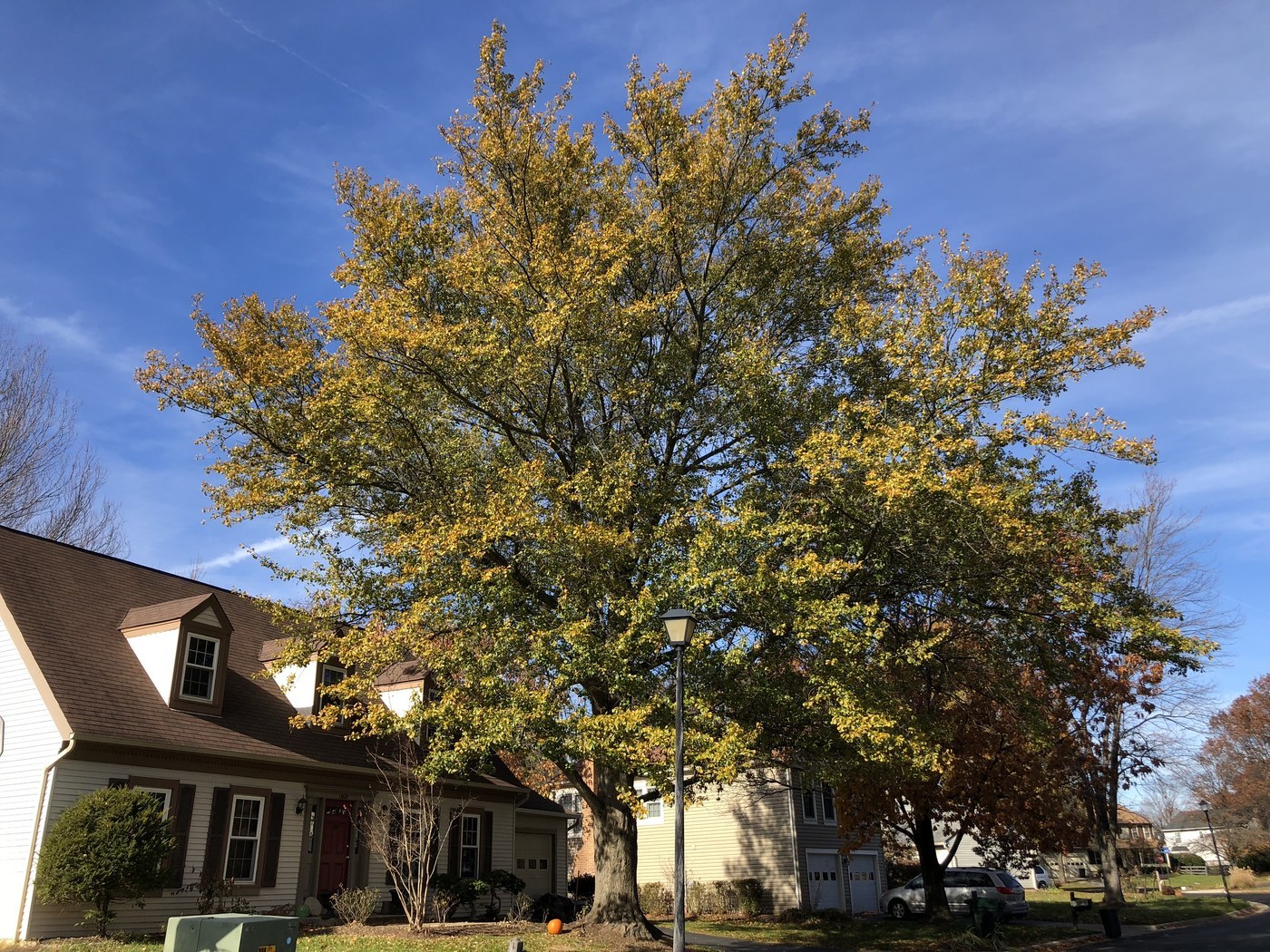
- Size & habit: Small, bushy, densely thorny evergreen tree, 2-5 m tall
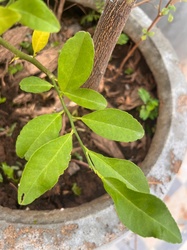
- Leaves: Small, aromatic, pale to medium green, with narrowly winged petioles
- Flowers: Small, white, fragrant, often borne year-round
- Fruit: Small (2.5-5 cm), round, ripening from green to pale yellow, very juicy and aromatic with several seeds
- Thorns: Numerous sharp spines on the branches
Care & growing
Light: Full sun for best fruiting; bright light if grown indoors.
Water: Water regularly, letting the top of the soil dry between waterings; ensure excellent drainage.
Soil: Well-drained, sandy to loamy soil, slightly acidic (pH 6.0-7.0).
Temperature: Among the most cold-sensitive citrus; best in USDA zones 9-11, or grown in containers and protected from frost.
Feeding: Apply citrus fertilizer through the growing season.
Propagation: Grown from seed (often coming relatively true) or by grafting and cuttings. Prune to shape and to manage its thorny, bushy growth.
Habitat & origin
The Key lime is thought to have originated in Southeast Asia, spreading through the Middle East and the Mediterranean before being brought to the Caribbean and Florida by Spanish explorers.
It is grown in orchards and gardens across tropical and subtropical regions, including Mexico (a major producer), the Caribbean, India, and Egypt, thriving in hot, frost-free climates.
Frequently asked questions
What is the difference between a Key lime and a regular lime?
Key limes are smaller, seedier, and more aromatic than the larger, seedless Persian (Tahiti) limes sold in most supermarkets.
Why are Key limes yellow in pictures?
Key limes naturally ripen from green to pale yellow, so fully ripe fruit is yellowish, though the fruit is often shown while still green.
Can Key limes grow in pots?
Yes. Their compact, bushy size suits container growing, which also allows them to be protected from frost in cooler climates.
Are Key lime trees thorny?
Yes, they are notably thorny, so wear gloves when pruning or handling the branches.
Key Lime guides
In-depth guides for identifying, growing, and caring for Key Lime.
How to Care for Key Lime
Grow a compact Key Lime tree in full sun with well-drained soil, steady feeding, and warmth for glossy foliage and fragrant blooms.
Key Lime Identification Guide
Identify the Key lime (Citrus aurantiifolia) by its thorny shrubby form, small aromatic leaves, white blossoms, and small, round, thin-skinned greenish-yellow fruit.
Key Lime identified by the community
Real specimens identified with Plant Identifier.