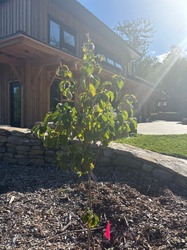
How to Care for Kousa Dogwood
Grow Cornus kousa, the Kousa Dogwood, with sun to part shade, moist well-drained acidic soil, and consistent weekly watering.
Read the full Kousa Dogwood encyclopedia entry →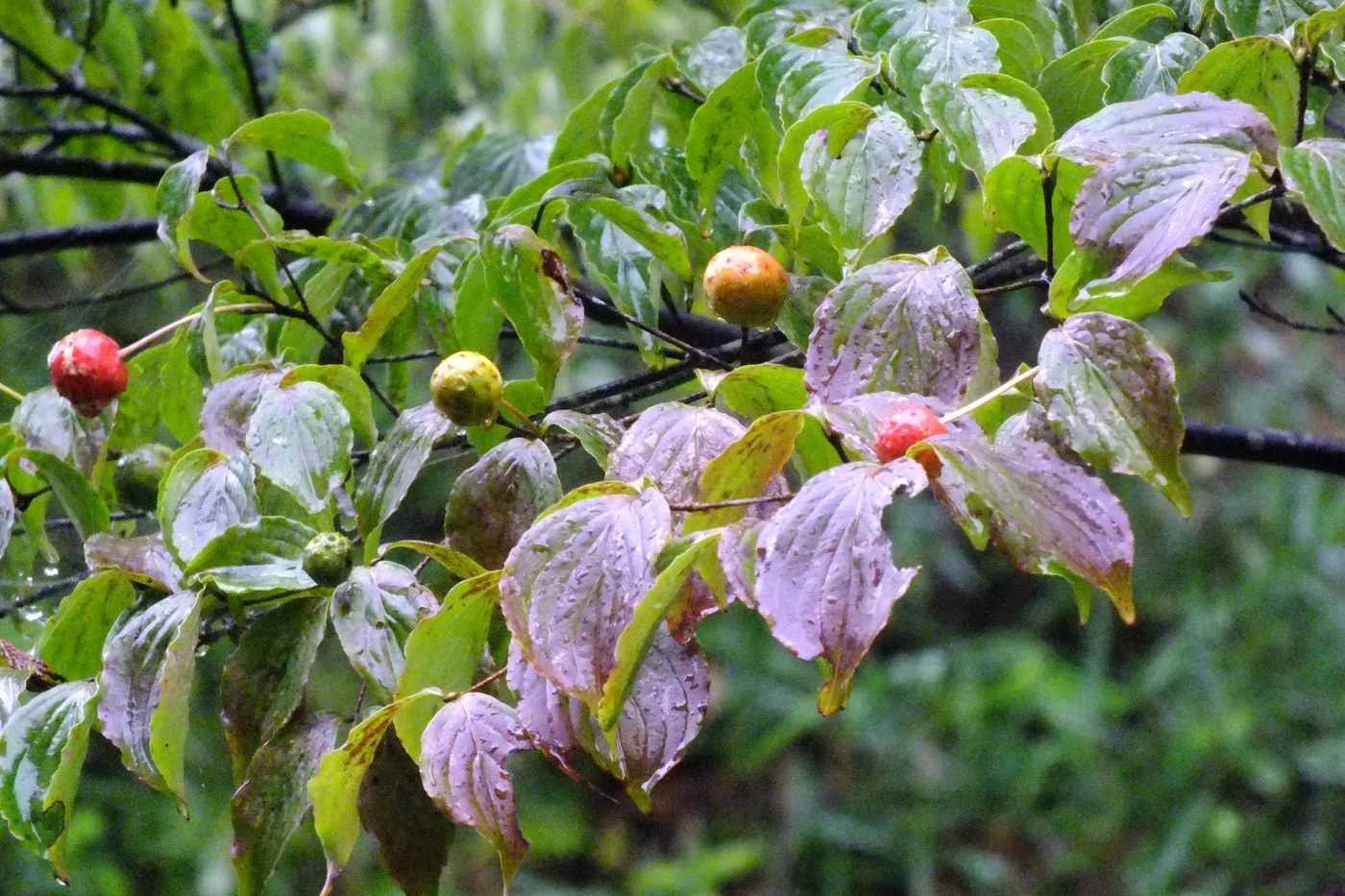
The Kousa Dogwood (Cornus kousa) is an elegant small ornamental tree valued for its star-shaped early-summer bracts, layered branching, and handsome exfoliating bark. It is one of the more adaptable and low-maintenance flowering dogwoods.
Light
Grow in full sun to part shade. In cooler climates it flowers best and grows densest in full sun, while in hotter regions light afternoon shade protects the foliage from scorch. Deep shade reduces flowering and thins the canopy. A spot with morning sun and some relief from intense afternoon heat is often ideal.
Water
Provide consistent moisture, roughly weekly watering, keeping the soil evenly moist but never waterlogged. Kousa Dogwood has relatively shallow roots and dislikes drought, so water deeply during dry spells, especially for young trees. A mulch layer over the root zone conserves moisture and keeps roots cool. Established trees are somewhat more tolerant but still appreciate steady watering.
Soil & Potting
Plant in fertile, well-drained soil rich in organic matter with a slightly acidic pH. It performs poorly in heavy, compacted, or alkaline soils and in sites that stay wet. Amend the planting area with compost and maintain an organic mulch ring kept a few inches away from the trunk to protect the shallow roots.
Humidity & Temperature
As a hardy temperate tree, Kousa Dogwood withstands cold winters and warm summers and needs seasonal chill to bloom. It is more heat- and drought-tolerant than the native flowering dogwood but still benefits from cool, moist root conditions. Normal outdoor humidity is fine; good airflow helps keep foliage clean.
Feeding
Feed lightly in early spring with a balanced or acidifying fertilizer if growth is weak, or simply topdress with compost. Avoid overfeeding, which encourages soft growth. Trees in good soil with organic mulch often need little supplemental fertilizer.
Propagation
Propagate species plants from seed, which requires stratification and patience, or root softwood-to-semi-hardwood cuttings in summer under mist. Named cultivars are typically grafted or budded to preserve their traits. Most gardeners start with a nursery-grown tree.
Repotting / Pruning
Kousa Dogwood needs little pruning and naturally forms a graceful layered shape. Prune only to remove dead, damaged, or crossing branches, ideally in late fall or winter when dormant, or right after flowering. Preserve the attractive horizontal branching and exfoliating bark. Water young trees attentively through their first few seasons to establish deep roots.
Common Problems & Pests
Kousa Dogwood is notably resistant to the anthracnose and borer problems that trouble native dogwoods, making it easier to grow. Still watch for powdery mildew in humid crowded sites, leaf spot, scale, and occasional leaf scorch during drought. Good drainage, adequate spacing, and steady moisture prevent most issues.
Seasonal Care Tips
Bracts appear in late spring to early summer, later than native dogwoods, followed by decorative round fruit and excellent reddish-purple fall color. Keep the tree watered through summer heat, refresh mulch, and enjoy the peeling tan-and-gray winter bark. Do structural pruning in the dormant season and clean up debris in fall.
Frequently asked questions
How is Kousa Dogwood different from native flowering dogwood?
Kousa Dogwood blooms a few weeks later, has pointed star-shaped bracts, attractive exfoliating bark, and is markedly more resistant to the anthracnose and borers that affect native dogwood, making it easier to grow.
How much water does a Kousa Dogwood need?
Water about weekly to keep the soil evenly moist, especially for young trees, and deep-water during dry spells. Its shallow roots dislike both drought and waterlogging, so mulch and good drainage help.
Does Kousa Dogwood grow better in sun or shade?
It grows in full sun to part shade. In cooler climates full sun gives the best flowering; in hotter regions light afternoon shade protects the foliage. Deep shade reduces bloom.
When should I prune a Kousa Dogwood?
Prune minimally, removing only dead, damaged, or crossing branches. The dormant season (late fall to winter) or just after flowering are the best times, preserving the tree's graceful layered shape.
Kousa Dogwood identified by the community
Recent Kousa Dogwood specimens identified with Plant Identifier.