How to Care for Kudzu
Understand Pueraria montana, an extremely vigorous climbing vine. Learn its growing needs and, crucially, how to contain it.
Read the full Kudzu encyclopedia entry →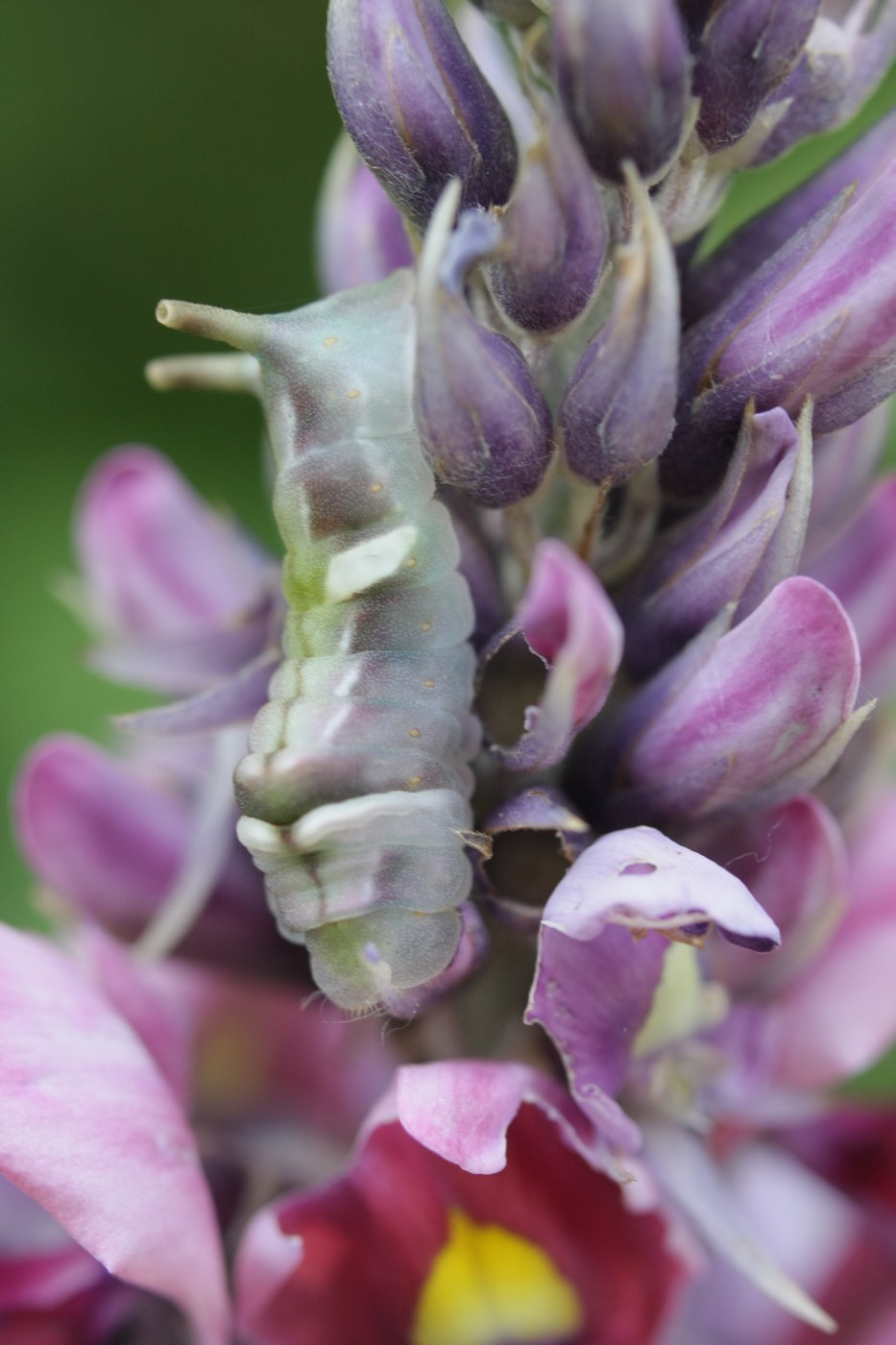
Kudzu (Pueraria montana) is a fast-growing, semi-woody climbing and trailing vine with large three-part leaves and, in late summer, fragrant purple flower clusters. It is astonishingly vigorous, capable of extending many feet in a single season, and this same vigor makes it a notoriously aggressive spreader that smothers other plants and structures. In many regions it is classified as an invasive weed, so anyone considering it should focus above all on strict containment or choosing a better-behaved alternative.
Light
Kudzu grows most rampantly in full sun, where its long runners race over the ground and up any support. It tolerates partial shade but climbs and flowers best with plenty of light. Because sun fuels its explosive growth, siting it in full sun means being fully prepared to keep it in bounds.
Water
Once established, kudzu is drought-tolerant and needs only low to moderate water, drawing on a large, deep tuberous root system that stores energy and moisture. Young plants benefit from occasional watering while rooting in, but mature vines rarely need supplemental irrigation. Its independence from watering is part of what makes it so persistent and hard to control.
Soil & Potting
Kudzu is undemanding about soil, growing in a wide range from poor, sandy ground to clay, and tolerating varied pH. It prefers well-drained sites but adapts broadly. If grown at all, containing it in a large, isolated planter with a physical root barrier and no contact with open ground is the only prudent approach, since runners root wherever nodes touch soil.
Humidity & Temperature
Kudzu thrives in warm, humid climates with long growing seasons, which is where it grows and spreads most explosively. Top growth is killed back by frost, but the deep roots survive cold winters and resprout vigorously in spring. Warmth and humidity translate directly into faster, more aggressive growth.
Feeding
Kudzu essentially never needs feeding; it is a legume that fixes its own nitrogen and grows rampantly even in poor soil. Adding fertilizer only accelerates already excessive growth and is counterproductive. The far more relevant task is limiting, not encouraging, its vigor.
Propagation
Kudzu spreads readily by runners that root at the nodes, by crown division, and by seed, and even small root fragments can regenerate a new plant. This ease of propagation is exactly why it escapes cultivation so easily. Deliberately propagating it is discouraged; any stem or root left in contact with soil is liable to establish.
Repotting / Pruning
Relentless pruning is the core of managing kudzu. Cut back runners hard and often through the growing season to keep it from climbing, smothering neighbors, or reaching the ground where it can root. Remove and dispose of cut material responsibly rather than letting it touch soil. Because the deep roots resprout, cutting alone rarely eliminates it; sustained, repeated cutting over multiple seasons is needed to exhaust the roots.
Common Problems & Pests
The overwhelming problem with kudzu is its own invasiveness: it overwhelms fences, shrubs, and trees by shading them out under a dense blanket of foliage. It has few significant pests that meaningfully slow it. The practical challenges are all about control: escaped runners, resprouting roots, and the difficulty of full removal once established. Always check local regulations, as planting kudzu is restricted or prohibited in many areas.
Seasonal Care Tips
In spring, watch for vigorous resprouting from the roots and begin cutting early to stay ahead of the growth. Through summer, cut runners repeatedly and never let stems reach open soil. In late summer it flowers; remove spent flowers before seed can form. In fall the top growth dies back with frost, but the roots persist, so plan on renewed control efforts the following spring.
Frequently asked questions
How fast does kudzu grow?
Extremely fast. In warm, humid conditions with full sun, kudzu can extend many feet in a single season, quickly climbing over and smothering nearby plants, fences, and structures.
How do I keep kudzu under control?
Cut runners back hard and repeatedly throughout the growing season, never let stems touch open soil where they can root, and remove flowers before they set seed. Because the deep roots resprout, sustained cutting over several seasons is required.
Does kudzu need fertilizer or much water?
No. As a nitrogen-fixing legume with deep tuberous roots, it grows rampantly in poor soil and is drought-tolerant once established. Feeding or extra watering only accelerates already excessive growth.
Is it a good idea to plant kudzu?
In most areas, no. It is classified as an invasive weed and is restricted or prohibited in many regions. Check local regulations first, and if grown at all, confine it strictly with root barriers and relentless pruning, or choose a better-behaved vine instead.
Kudzu identified by the community
Recent Kudzu specimens identified with Plant Identifier.