Kudzu
Pueraria montana
Kudzu is a fast-growing climbing vine infamous for smothering trees, buildings, and landscapes across the southeastern United States at remarkable speed.
- Light
- Full sun
- Water
- Low to moderate; drought-tolerant once established
- Difficulty
- Easy
Got a plant like this?
Identify any plant from a photo, free.
Overview
Kudzu (Pueraria montana, often P. montana var. lobata) is a vigorous, climbing, semi-woody perennial vine in the legume family. Native to East Asia, it was introduced to the United States and promoted for erosion control before becoming a notorious invasive.
Under ideal conditions it can grow up to a foot per day, blanketing trees, structures, and entire hillsides. Its dense canopy shades out and kills native vegetation, earning it the nickname "the vine that ate the South."
How to identify it
Recognized by its sprawling vines and large compound leaves.
- Leaves: Compound with three broad leaflets, each often lobed, hairy beneath
- Vines: Long, twining, semi-woody, climbing or trailing, forming dense mats
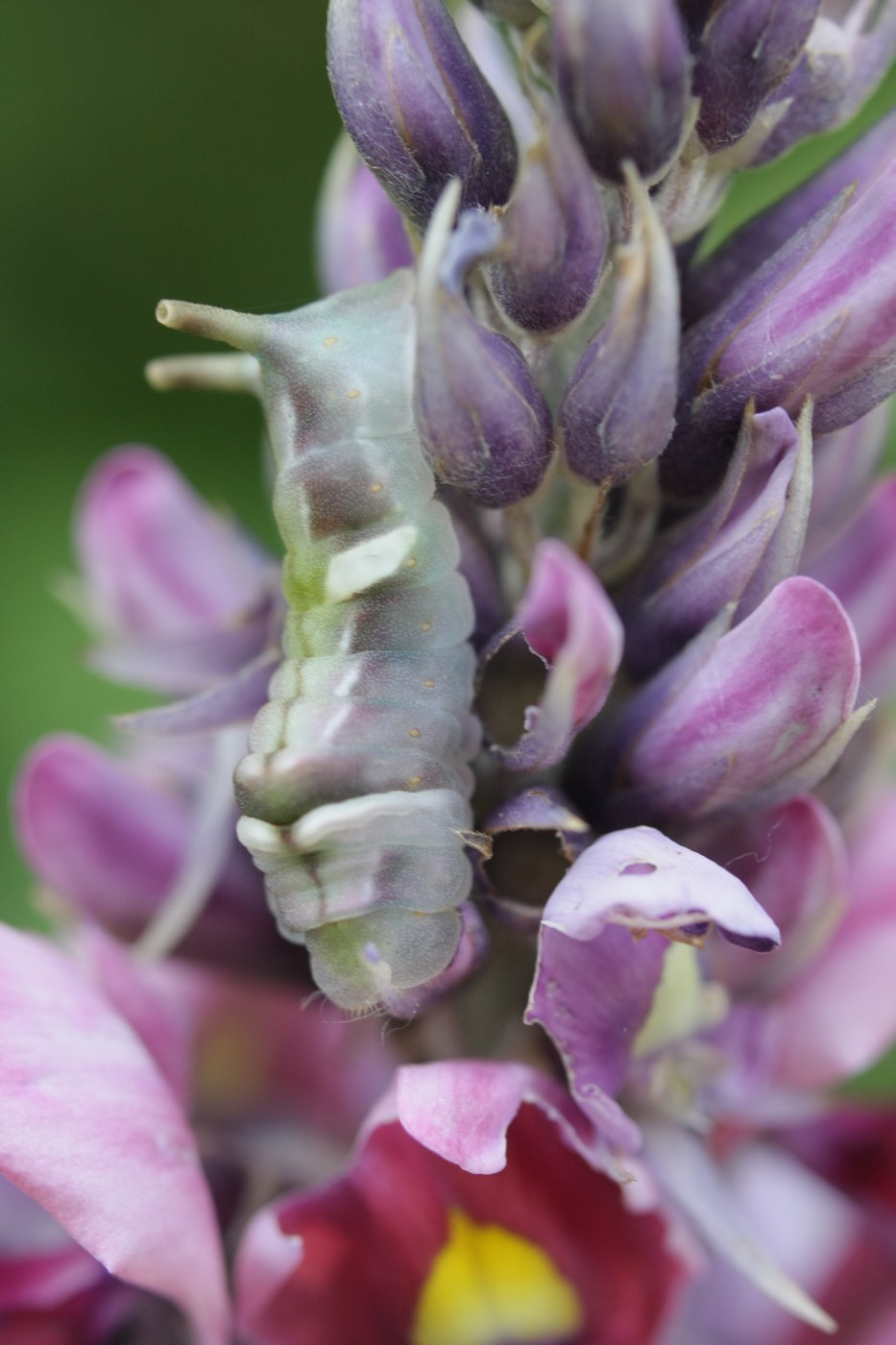
- Flowers: Fragrant, reddish-purple, pea-like blooms in upright clusters, smelling of grape
- Seed pods: Flat, hairy, bean-like pods
- Roots: Massive, starchy tuberous roots that can weigh hundreds of pounds
- Size: Vines reach 30-100 feet long
Care & growing
Not cultivated in the US; included for control of this invasive.
- Light: Full sun fuels its explosive growth
- Water: Drought-tolerant once established thanks to deep roots
- Soil: Tolerates poor soils; as a legume it fixes nitrogen
- Temperature: Hardy in warm-temperate climates; killed back by hard frost but regrows from roots
- Control: Extremely difficult; requires repeated cutting, grazing, and herbicide over years to exhaust the root crown
- Spread: By creeping vines that root at nodes and by seed
Habitat & origin
Native to Japan, China, and other parts of East Asia, kudzu was introduced to the United States in the late 1800s and widely planted in the early 1900s for erosion control. It is now an aggressive invasive across the southeastern US.
It smothers forest edges, roadsides, abandoned fields, and any open, sunny disturbed land, climbing over trees, fences, and buildings.
Frequently asked questions
How fast does kudzu grow?
Under ideal summer conditions kudzu can grow up to about a foot per day, allowing it to quickly cover trees, buildings, and large areas of landscape.
Why was kudzu introduced to the United States?
It was brought in during the late 1800s and promoted in the early 1900s for ornamental use and especially soil erosion control, before it became invasive.
How do you kill kudzu?
It is very hard to eradicate. Control requires repeatedly cutting or grazing the vines and treating the root crown with herbicide over several years to exhaust its huge root system.
How can I recognize kudzu?
Look for long twining semi-woody vines with large compound leaves of three broad, often lobed leaflets, plus upright clusters of fragrant reddish-purple pea-like flowers.
Kudzu guides
In-depth guides for identifying, growing, and caring for Kudzu.
How to Care for Kudzu
Understand Pueraria montana, an extremely vigorous climbing vine. Learn its growing needs and, crucially, how to contain it.
Kudzu Identification Guide
How to identify kudzu (Pueraria montana) by its massive smothering vines, large three-lobed leaves, hairy stems, and fragrant purple grape-scented flowers.
Kudzu identified by the community
Real specimens identified with Plant Identifier.