
How to Care for Lady Palm
The lady palm is an elegant, easy-care indoor palm with fan-shaped leaves; give it bright indirect light and even moisture.
Read the full Lady Palm encyclopedia entry →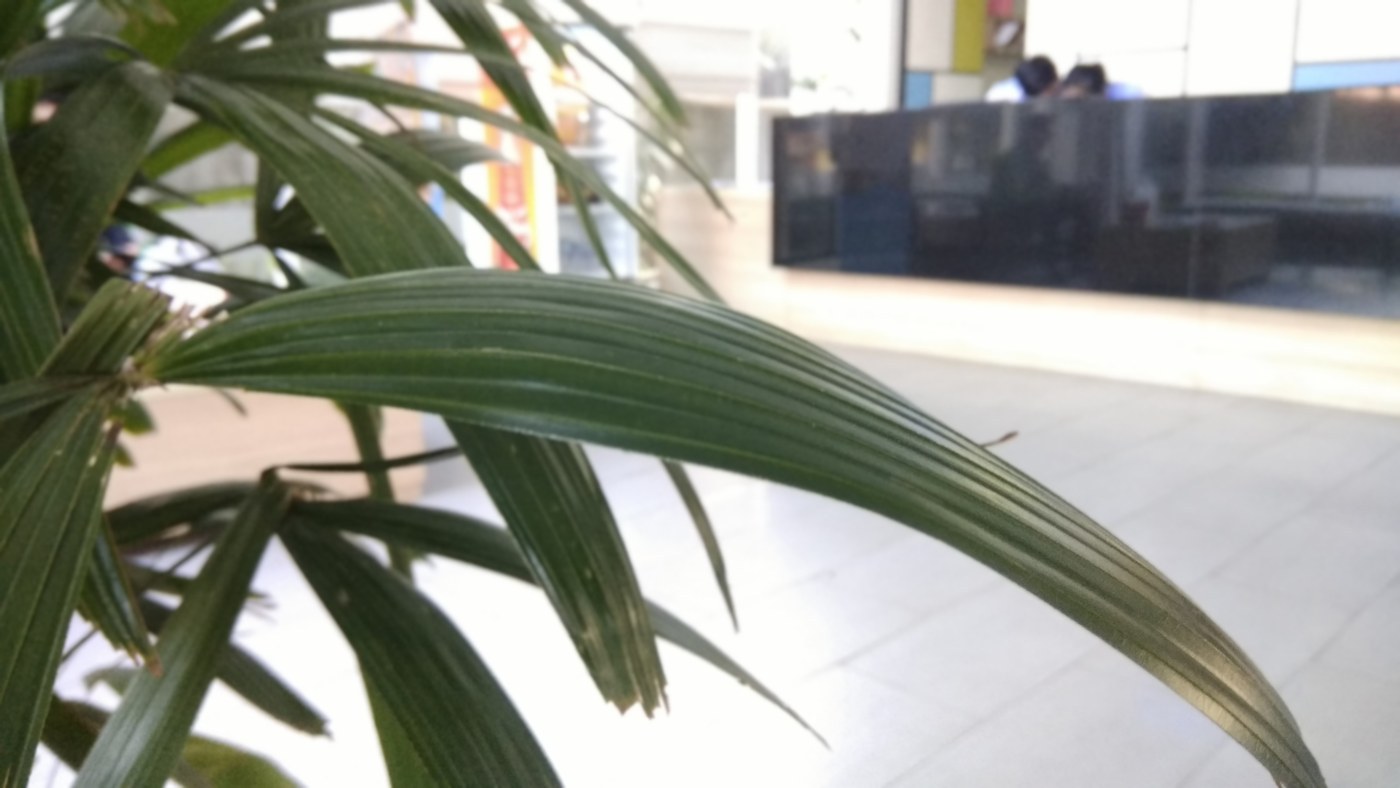
The lady palm (Rhapis excelsa) is a refined, slow-growing clumping palm with dark green, fan-shaped fronds held on slender, bamboo-like canes. It is one of the most forgiving and adaptable indoor palms, tolerating lower light and average home conditions with ease.
Light
Lady palm grows best in bright indirect light but is notably shade-tolerant, adapting to medium and even lower-light rooms better than most palms. Avoid harsh direct sun, which can scorch and yellow the fronds. Rotate the plant occasionally so all sides receive even light and the clump grows symmetrically.
Water
Water when the top inch of soil dries, keeping the soil evenly moist but never waterlogged. It appreciates consistent moisture during active growth yet is sensitive to soggy roots, so let excess drain fully and empty the saucer. Water more sparingly in winter as growth slows.
Soil & Potting
Use a rich but well-draining potting mix, such as a quality houseplant blend amended with bark and perlite for aeration. A pot with drainage holes is essential. Lady palm is slow-growing and content to stay slightly root-bound, so avoid oversizing the container.
Humidity & Temperature
It prefers moderate to high humidity but tolerates average indoor air well. Keep it between 16-27C (60-80F) and away from cold drafts and heating vents. It is more cold-tolerant than many palms but should still be protected from freezing temperatures.
Feeding
Feed monthly during spring and summer with a balanced liquid fertilizer diluted to half strength, or use a slow-release palm fertilizer. Lady palm is sensitive to fertilizer salts and mineral buildup, so feed lightly and flush the soil occasionally. Stop feeding in autumn and winter.
Propagation
Propagate by division: in spring, separate rooted offshoots or suckers from the clump, each with its own roots, and pot them up individually. Keep divisions warm, humid, and lightly moist while they establish. Growth from seed is possible but very slow and uncommon at home.
Repotting / Pruning
Repot only every 2-3 years, as this palm dislikes disturbance and grows slowly; move up just one pot size when roots fill the container. Prune only to remove entirely brown or dead fronds, cutting them at the base. Trim browned tips with scissors following the natural leaf shape for a neat look.
Common Problems & Pests
Brown leaf tips commonly result from dry air, inconsistent watering, or fertilizer and fluoride buildup; using filtered water and flushing the soil helps. Yellowing fronds may indicate overwatering or too much direct sun. Watch for spider mites, scale, and mealybugs, wiping leaves and treating with insecticidal soap as needed.
Seasonal Care Tips
During spring and summer the palm grows slowly but steadily, so maintain even moisture, feed lightly, and divide or repot if needed. In autumn and winter, reduce watering and stop feeding while growth pauses. Keep it away from cold drafts and dry heating air, and mist or use a humidity tray in heated rooms.
Frequently asked questions
Why are the tips of my lady palm turning brown?
Brown tips are usually caused by dry air, inconsistent watering, or a buildup of fertilizer salts and minerals. Water with filtered water, keep humidity up, and flush the soil occasionally to reduce buildup.
How much light does a lady palm need?
Bright indirect light is ideal, but the lady palm tolerates medium and lower light better than most palms. Avoid direct sun, which scorches the fronds.
How often should I water a lady palm?
Water when the top inch of soil dries, keeping the soil evenly moist but not soggy. Let excess drain fully and reduce watering in winter when growth slows.
How do I propagate a lady palm?
Divide the clump in spring. Separate rooted offshoots, each with its own roots, and pot them individually. Keep the divisions warm, humid, and lightly moist until established.