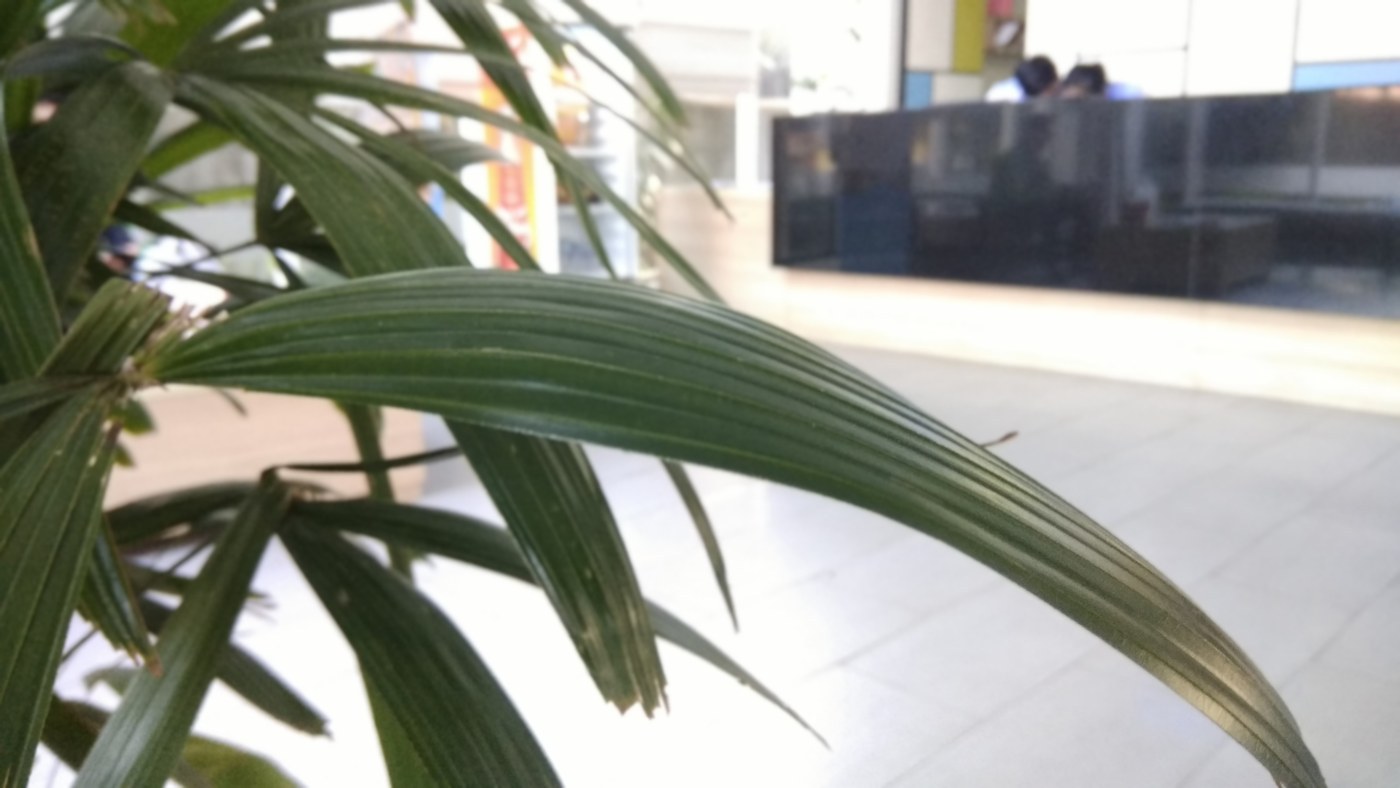
Lady Palm
Rhapis excelsa
The Lady Palm is an elegant clumping palm with fan-shaped leaves split into glossy, finger-like segments. It is tough, shade-tolerant, and a classic interior plant.
- Light
- Bright indirect light
- Water
- When top inch dries
- Difficulty
- Easy
Got a plant like this?
Identify any plant from a photo, free.
Overview
The Lady Palm, Rhapis excelsa, is a refined, slow-growing fan palm long cultivated in Asia and now popular worldwide as an interior plant.
It forms dense clumps of slender, cane-like stems wrapped in fibrous sheaths, topped with dark green, fan-shaped leaves divided into several blunt-tipped finger segments. Its upright, bushy habit gives a polished, formal look.
Prized for tolerating low light, dry indoor air, and general neglect, it is one of the most reliable and elegant houseplant palms.
How to identify it
Key features to recognize the Lady Palm:
- Leaves: fan-shaped (palmate), split into 5-10 glossy, finger-like segments with blunt tips
- Stems: slender, cane-like, clustered, wrapped in brown fibrous sheaths
- Habit: dense, upright clump, typically 3-8 feet indoors
- Color: deep, glossy green; variegated forms exist
- Growth: slow and tidy
Care & growing
Light: Bright, indirect light is ideal, but it tolerates low to medium light well.
Water: Water when the top inch of soil dries; sensitive to fluoride and salts, so use filtered water if tips brown.
Soil: Well-draining, rich potting mix.
Temperature: 60-80F (16-27C); tolerates cooler rooms down to about 50F.
Humidity: Average to high; tolerates dry air better than many palms.
Feeding: Light balanced feeding during the growing season.
Propagation: By division of the clump.
Habitat & origin
Native to southern China and Taiwan, where it grows in the forest understory. It has been cultivated in China and Japan for centuries, including in royal gardens, and many named varieties exist.
Its understory origin gives it strong shade tolerance. It is grown worldwide as an interior plant and, in mild climates, in shaded outdoor gardens.
Frequently asked questions
Can it grow in low light?
Yes, it is one of the more shade-tolerant palms, though it grows fuller in bright indirect light.
Why are the leaf tips browning?
Often fluoride or salt sensitivity, low humidity, or underwatering. Use filtered water and keep soil evenly moist.
Is it the same as the bamboo palm?
The name 'bamboo palm' is sometimes used loosely, but the Lady Palm is Rhapis excelsa, distinct from Chamaedorea palms; it has fan-shaped, not feathery, leaves.
How big does a Lady Palm get indoors?
Indoors it typically forms a dense, upright clump 3-8 feet tall, growing slowly into a bushy, formal shape.
Lady Palm guides
In-depth guides for identifying, growing, and caring for Lady Palm.
How to Care for Lady Palm
The lady palm is an elegant, easy-care indoor palm with fan-shaped leaves; give it bright indirect light and even moisture.
Lady Palm Identification Guide
Identify the Lady Palm (Rhapis excelsa) by its fan-shaped leaves split into blunt-tipped segments on slender, clustering, fiber-wrapped bamboo-like canes.