
Lady Palm Identification Guide
Identify the Lady Palm (Rhapis excelsa) by its fan-shaped leaves split into blunt-tipped segments on slender, clustering, fiber-wrapped bamboo-like canes.
Read the full Lady Palm encyclopedia entry →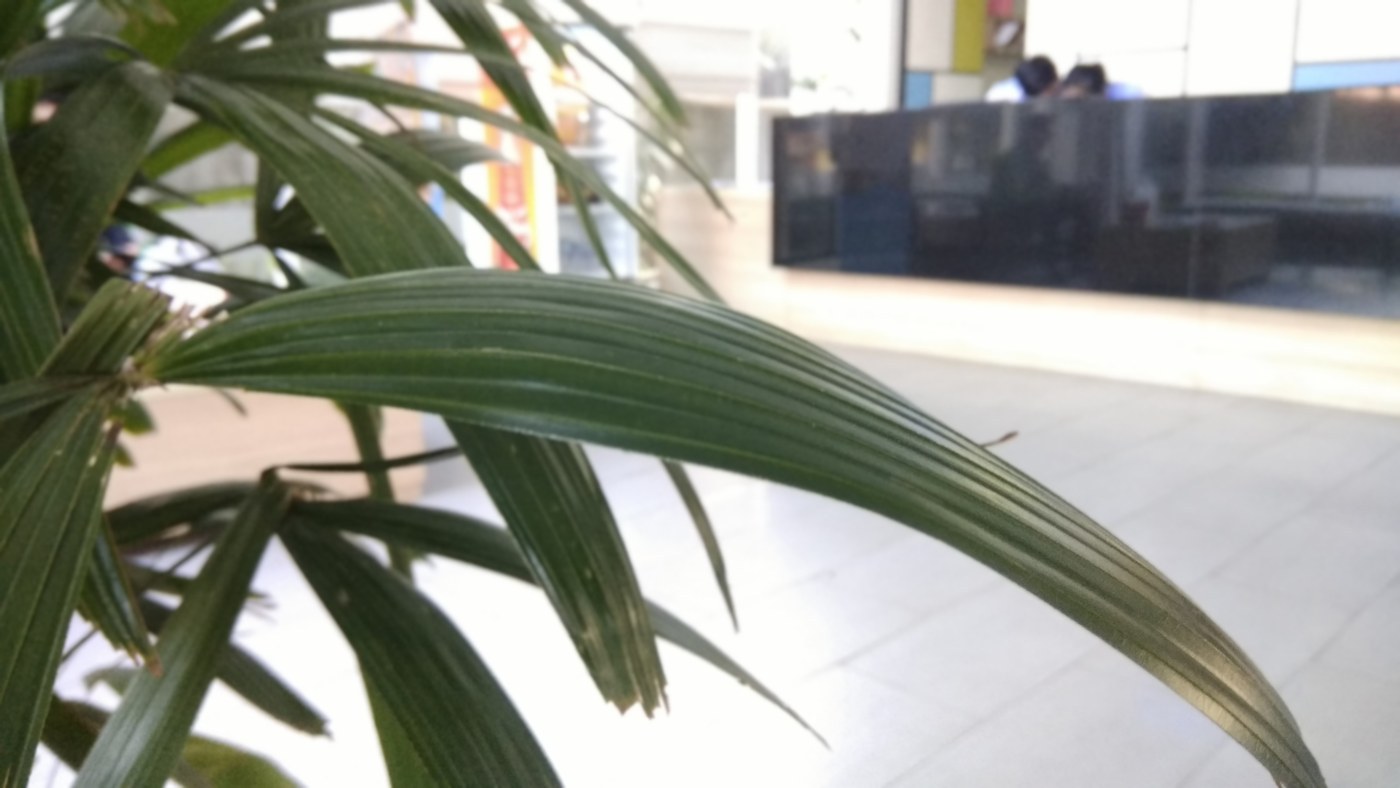
Key Identifying Features
The Lady Palm (Rhapis excelsa) is an elegant clustering fan palm popular for shaded interiors. Its hallmark is glossy, fan-shaped (palmate) leaves split into several broad, blunt-tipped segments, held on thin, upright canes wrapped in dark fibrous fiber.
- Fan/palmate leaves, NOT feathery fronds
- Each leaf split into broad, finger-like segments with blunt, ragged tips
- Slender, clustering canes sheathed in coarse brown fiber
- Dense, upright, multi-stemmed clump
Leaves & Stems
Each leaf radiates from the top of a thin stalk and divides into roughly 5-10 segments that spread like fingers of a hand. The segments are glossy dark green, fairly broad, and notably blunt or jaggedly squared at the tips (not tapering to fine points). This blunt-tipped fan shape is the key ID feature.
The canes are slim, upright, and covered in a net of dark brown fibrous matting (remnant leaf sheaths), giving them a distinctly hairy, bamboo-like look. New canes emerge from the base, forming a thick clump. Dwarf and variegated (white-striped) cultivars exist.
Flowers & Fruit
Mature plants may produce small cream-yellow flowers on branched spikes, and it is dioecious (separate male and female plants), but indoor flowering is uncommon. Rely on the fan leaves and fibrous canes for ID.
How to Tell It Apart from Look-Alikes
- Bamboo Palm / Areca / Parlor Palm: all have feathery (pinnate) fronds; Lady Palm has fan-shaped (palmate) leaves, the most reliable separator.
- Chinese Fan Palm / European Fan Palm: also palmate, but those have larger single fan leaves with spiny stalks; Lady Palm leaves are smaller, split into broad blunt segments on fiber-wrapped clustering canes.
- Rhapis humilis (Slender Lady Palm): a relative with narrower, more numerous segments and taller, more slender canes.
The lock is blunt-tipped fan leaves on slim, brown-fiber-wrapped clustering canes.
Where You'll Find It
Native to southern China and Taiwan (and long cultivated in Japan), the Lady Palm grows in shaded forest. It is a top low-light, durable indoor palm, tolerating dim interiors and humidity, often used in offices and lobbies.
Quick ID Checklist
- Leaves are fan-shaped (palmate), not feathery
- Segments have broad, blunt, ragged tips
- Canes are slim and wrapped in dark brown fiber
- Clustering, upright multi-cane clump
- Glossy dark green, tolerant of low light
Fan-shaped, blunt-tipped leaves on slender fiber-covered canes in a clump is the Lady Palm.
Frequently asked questions
How do I tell a Lady Palm from a Bamboo Palm?
Look at leaf shape. The Lady Palm has fan-shaped (palmate) leaves split into broad blunt-tipped segments, while the Bamboo Palm and most other indoor palms have feathery (pinnate) fronds of many narrow leaflets.
What is the brown fiber on the stems?
That coarse brown netting is made of fibrous leaf-sheath remnants that wrap each cane. It is completely natural and is a useful identifying feature distinguishing Lady Palm canes from smooth-stemmed palms.
Why are the leaf tips brown and ragged?
The segment tips are naturally blunt and slightly jagged, which is normal. However, excessive brown crisping can also come from dry air, fluoride or salts in water, or underwatering, which is a care issue rather than the plant's natural form.