
How to Care for Lady's Mantle
Lady's mantle (Alchemilla mollis) is an easy cottage-garden perennial with soft pleated leaves and frothy chartreuse flowers.
Read the full Lady's Mantle encyclopedia entry →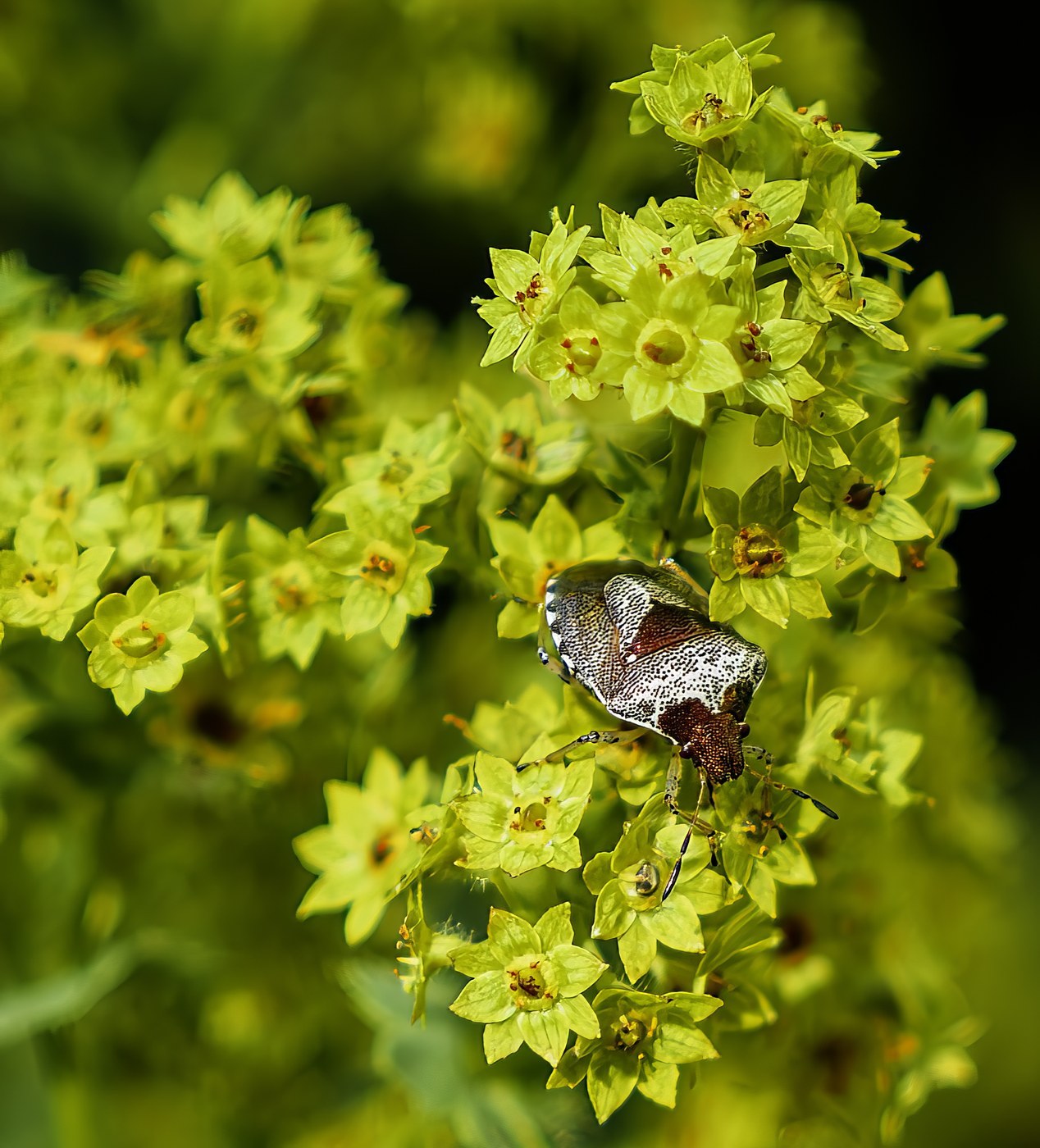
Lady's mantle is a beloved cottage-garden perennial grown for its softly pleated, fan-shaped leaves that catch dew in silvery beads, and its airy sprays of tiny chartreuse-green flowers. It is undemanding and adaptable, making it an Easy plant for borders, edges, and shady corners.
Light
It thrives in full sun to part shade. In cool climates it takes full sun with even moisture, while in hot regions it prefers afternoon shade to prevent leaf scorch and premature browning. Dappled light produces the lushest mounds of foliage.
Water
Provide moderate, even moisture, especially in sunnier positions and during dry spells. It is not a bog plant and dislikes waterlogged soil, but consistent moisture keeps the foliage fresh and green. Mulch helps retain moisture and keeps roots cool.
Soil & Potting
Grow in ordinary, moisture-retentive but well-drained garden soil enriched with organic matter. It is tolerant of a range of soils including clay, as long as drainage is reasonable. In containers use a quality potting mix and keep it evenly moist.
Humidity & Temperature
A hardy temperate perennial, lady's mantle handles cold winters well and prefers cool to mild summers. It struggles in prolonged intense heat and humidity, where foliage can brown; siting it in cooler, shadier spots keeps it looking its best.
Feeding
Feeding needs are minimal. A spring application of compost or a light balanced feed as growth resumes is usually enough. Overly rich conditions are unnecessary; this is a low-maintenance plant that performs well in average fertility.
Propagation
Propagate easily by division in spring or autumn, splitting established clumps into rooted sections. It also self-seeds readily, sometimes prolifically; seedlings can be transplanted where wanted. Removing spent flowers curbs excess self-sowing.
Repotting / Pruning
Shear the whole plant back after flowering to remove tired or browned foliage and to prompt a fresh flush of clean new leaves. Divide congested clumps every few years to rejuvenate them. Deadhead flowers before they scatter seed if self-sowing is unwanted.
Common Problems & Pests
Lady's mantle is largely trouble-free. The main issue is leaf scorch and browning in too much sun or heat, corrected by shearing and better siting. It can self-seed aggressively; pull unwanted seedlings. Slugs may nibble young growth in damp conditions.
Seasonal Care Tips
In spring, divide clumps and refresh with compost as new growth appears. Through summer enjoy the flowers, then shear the plant back once blooms fade to renew the foliage. In autumn tidy the clump; in winter it dies back and reappears reliably the following spring.
Frequently asked questions
Why are the leaves of my lady's mantle turning brown?
Browning usually comes from too much sun, heat, or dryness. Shear the tired foliage back to the base, water more consistently, and consider a spot with afternoon shade for a fresh flush of leaves.
How do I stop lady's mantle from spreading everywhere?
It self-seeds readily. Deadhead the flowers before they set seed, and pull up unwanted seedlings while they are small. Removing spent blooms also keeps the plant looking tidy.
When should I cut back lady's mantle?
Shear the whole plant back right after flowering to remove spent blooms and any browned leaves. This encourages a clean, attractive new mound of foliage for the rest of the season.
Can lady's mantle grow in shade?
Yes. It grows in full sun to part shade and often looks best in dappled or partial shade, especially in hot climates where full sun can scorch the leaves.