
Lady's Mantle Identification Guide
How to identify lady's mantle (Alchemilla) by its softly pleated, fan-shaped scalloped leaves that hold water droplets, and frothy sprays of tiny petalless chartreuse flowers.
Read the full Lady's Mantle encyclopedia entry →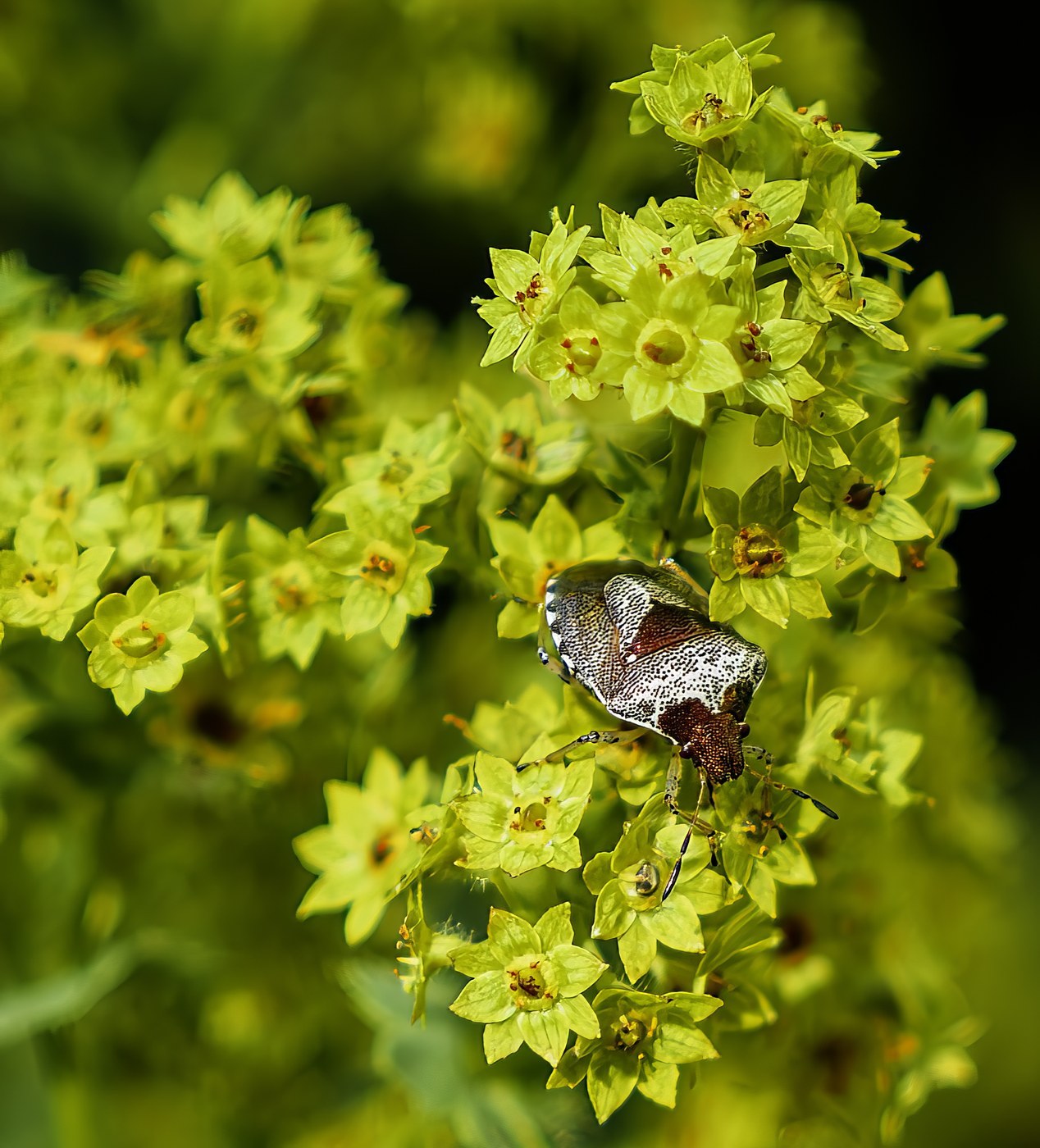
Key Identifying Features
Lady's mantle (Alchemilla, especially A. mollis) is a clump-forming perennial in the rose family (Rosaceae). It is recognized at a glance by its soft, rounded, fan-pleated leaves with scalloped lobes that catch and bead rainwater or dew into silvery droplets, and by its airy sprays of tiny, frothy, yellow-green (chartreuse) flowers.
- Leaves rounded/kidney-shaped, shallowly lobed (7–11 lobes), pleated like a fan
- Leaf surface softly hairy, holding water droplets like beads
- Flowers tiny, petalless, chartreuse-green in loose frothy clusters
- Low mounding habit, 30–50 cm tall
Leaves & Stems
The leaves are the star: palmately lobed and roundish, with soft radiating pleats from the leaf base and finely toothed (scalloped) margins. They are covered in fine hairs that make water bead up into bright droplets — a classic identifier. Leaf stalks are long and hairy; the plant forms a soft, spreading mound of overlapping leaves.
Flowers & Fruit
Look closely and the flowers are unusual: they are minute, only 3–4 mm, and have no petals — what looks yellow-green is the 4-lobed calyx plus an outer set of tiny sepal-like segments. Hundreds are held in branching, billowy sprays above the foliage, giving a frothy chartreuse haze in early to mid-summer. Fruit are tiny dry achenes. The chartreuse "foam" over mounded pleated leaves is essentially unmistakable.
How to Tell It Apart from Look-Alikes
- Geraniums/cranesbills: also have lobed rounded leaves, but their leaves are cut more deeply into pointed lobes and they have showy 5-petaled flowers — lady's mantle flowers are petalless and frothy.
- Heuchera / mallow leaves: can look similar, but lack the water-beading soft pleats and the chartreuse flower froth.
- Other Alchemilla species: wild mountain lady's mantles are smaller with more deeply cut or silvery-haired leaves; A. mollis is the large soft garden form.
Where You'll Find It
Lady's mantle is a favorite border edging, ground cover, and cottage-garden plant, thriving in sun to part shade and most soils, and it self-seeds freely. Wild Alchemilla species grow in mountain meadows, grasslands, and damp pastures across Europe and Asia. The cut sprays are popular in floristry.
Quick ID Checklist
- Rounded, pleated, fan-like leaves with scalloped lobes
- Leaves bead water into silvery droplets
- Tiny, petalless, chartreuse flowers in frothy sprays
- Soft mounding clump, early–mid summer bloom
- Rose-family perennial that self-seeds readily
Frequently asked questions
Why does water bead up on lady's mantle leaves?
The leaf surface is covered with fine water-repellent hairs, so rain and dew collect into bright silvery droplets that sit on top of the pleated leaf. This beading is one of the plant's most recognizable traits.
Do lady's mantle flowers have petals?
No. The tiny chartreuse flowers lack petals; the yellow-green color comes from the calyx lobes. Hundreds of these minute flowers form the characteristic frothy sprays.
How do I tell lady's mantle from a hardy geranium by the leaves?
Both have rounded lobed leaves, but lady's mantle leaves are softly pleated, shallowly scalloped, and bead water, while geranium leaves are cut into deeper pointed lobes and the plant has showy five-petaled flowers.
Is lady's mantle invasive?
It is not invasive in the strict sense, but it self-seeds very freely and can spread widely in a garden. Cutting back spent flower heads before seed set helps control it.